2020 Election Survey: Most Dartmouth students vote absentee, overwhelmingly support Biden
With the 2020 election underway, The Dartmouth polled students on their views on the upcoming election and key political issues.
The presidential election is not the only race that Hanover voters decide on today. Seats in both the Senate and House of Representatives are at play in our district, and multiple state and local elections will influence key issues in New Hampshire, including environmental regulations and tax policy. Here’s what you need to know about the state and local races on the Hanover ballot.
As COVID-19 cases rise across the region, voters in Hanover and neighboring towns can expect a different experience at polling stations this Election Day. Despite the need for pandemic-related precautions, election officials are optimistic that the thousands of absentee ballots already cast will make for a manageable day at the polls.
After Hillary Clinton defeated Donald Trump by a razor-thin 0.3% in New Hampshire during the 2016 presidential election, Democrats are hoping for a wider margin of victory this year. Former Vice President Joe Biden currently leads in state polling averages by roughly 11 points. Still, experts say, anything could happen today in New Hampshire, a state known for its swing state tendencies and a “live free or die” independent streak.
As Dartmouth awaits results on election night, several organizations have organized events either in person or over Zoom. The Rockefeller Center for Public Policy, Office of Student Life, Collis Governing Board and Student Assembly are co-hosting a virtual election watch party via Zoom on Nov. 3 at 7 p.m. Several campus organizations — the College Democrats, College Republicans, Dartmouth Libertarians and Dartmouth Political Union — are co-sponsoring the event.
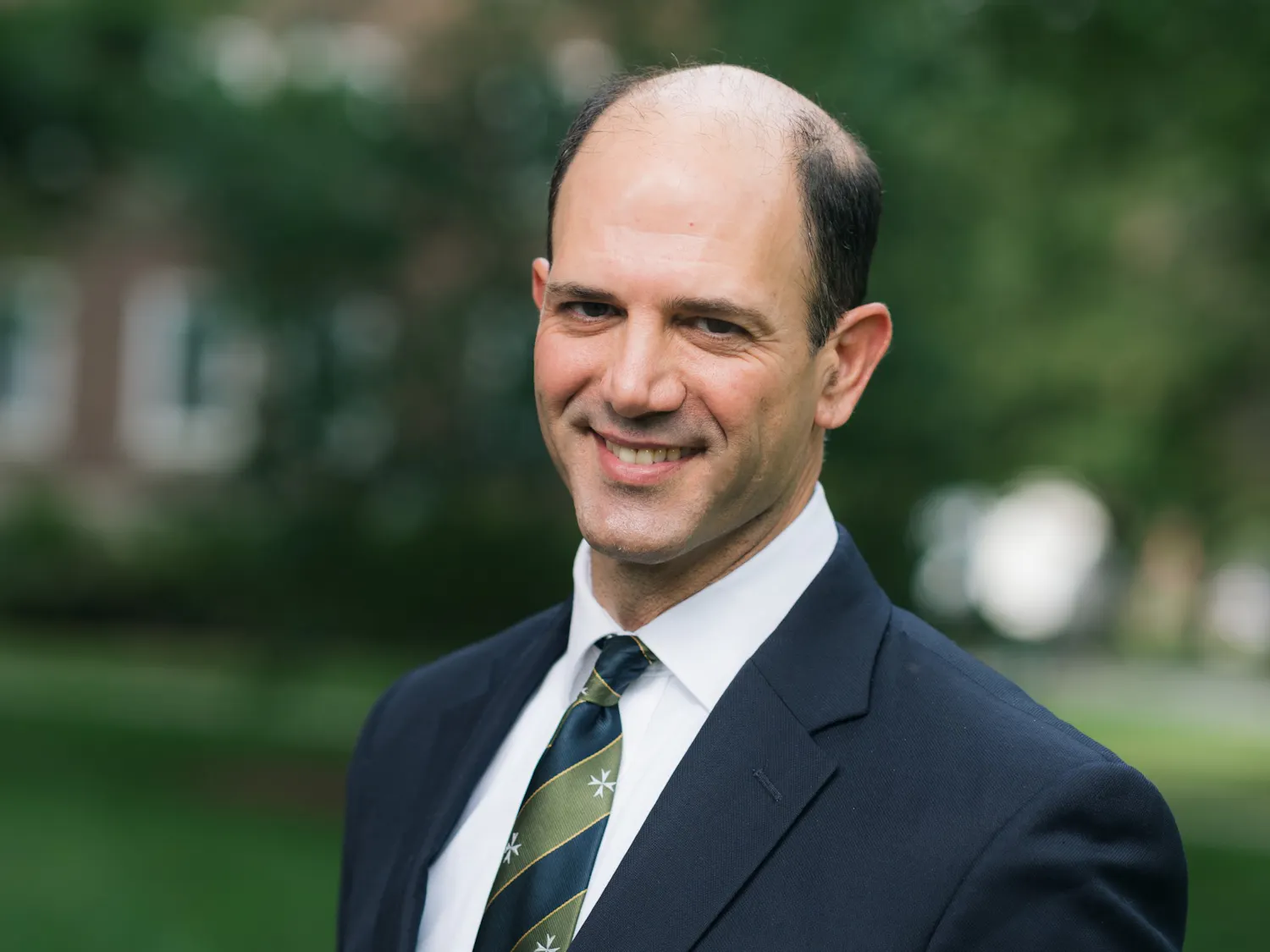
As one of the four candidates poised to fill Hanover and Lyme’s four seats in the New Hampshire State House of Representatives, government professor Russell Muirhead is presumed to be sworn in this January. Much of his recent research has focused on political polarization in the U.S., and he recently authored a new book, “A Lot of People Are Saying: The New Conspiracism and the Assault on Democracy.” The Dartmouth sat down with Muirhead to discuss his policy proposals and his perspective on today’s election.
In a decision that sparked concern among students and sexual violence prevention advocates, a Title IX office policy implemented at the start of fall term stated that individuals involved in reported cases of sexual assault or harassment would still face discipline for COVID-19 policy violations if they were found to have hosted an unauthorized gathering. However, according to the office’s since-revised policy, alleged victims and perpetrators will no longer face action for health violations, except in “egregious” cases.
Within Dartmouth Dining and the College’s custodial staff — both of which have experienced drastic changes due to COVID-19 — no employees have been laid off, furloughed or had their hours reduced so far. However, new shifts, new locations and new jobs have shuffled the lives of Dartmouth service employees.
With three weeks remaining in the fall term and graduation quickly approaching, some seniors have already secured post-graduation jobs, while others are still deep in the search. Amid the pandemic, this year’s recruiting process has been very different than in years past.
The “cheap and cheerful version” of Dartmouth’s founding story, if you ask professor Colin Calloway of the Native American Studies program, goes something like this: Eleazar Wheelock established Moor’s Indian Charity School in 1754 in Lebanon, Connecticut with the ostensible purpose of “Educating Such of the Indian Natives, of any or all the Indian tribes in North America,” as written in the school’s charter.
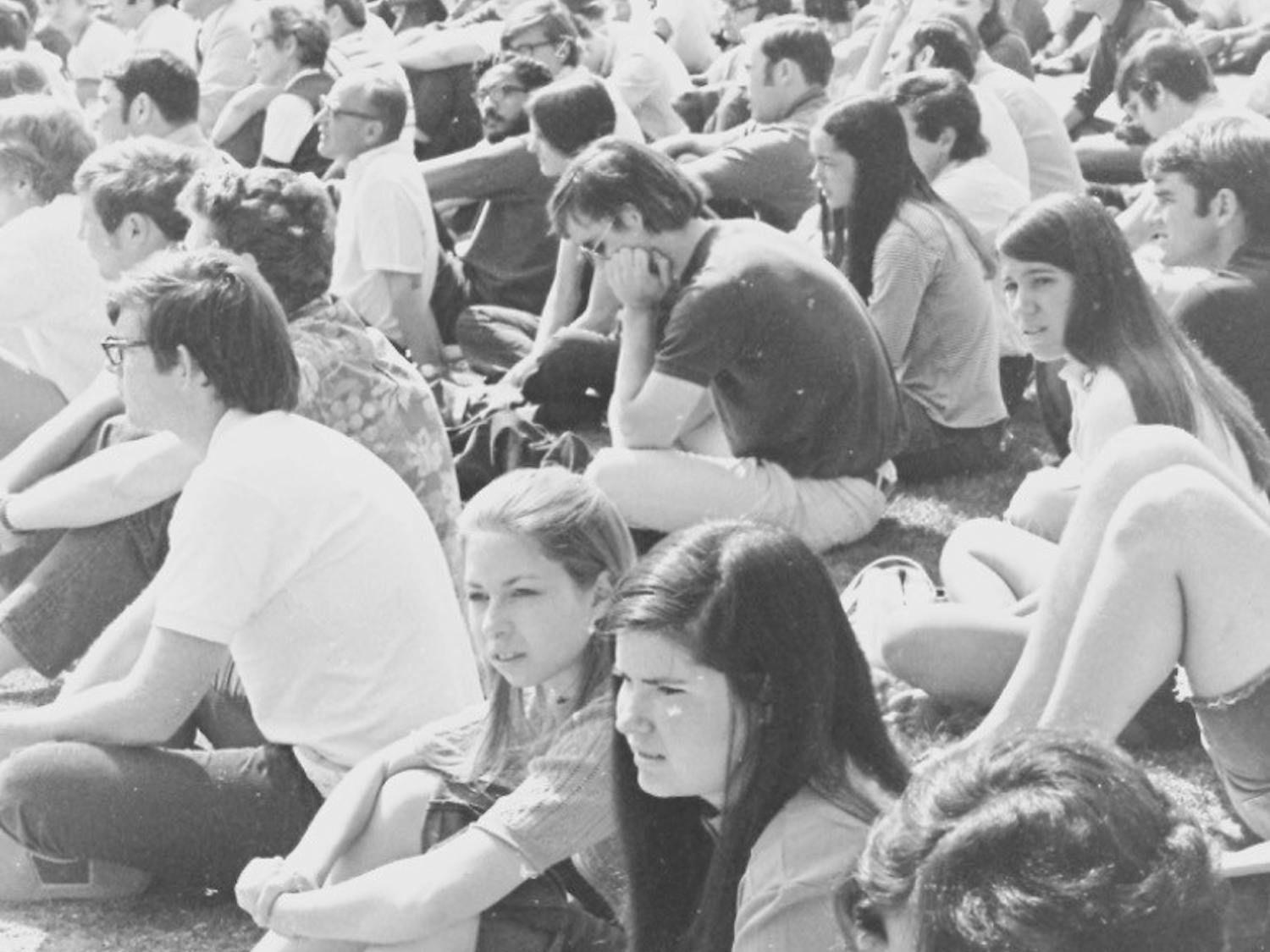
Several times in the College's history, the issue of Greek life abolition and reform has arisen. Now, renewed debates on Greek reform have brought once again attention to the Greek system's past.
Dartmouth has never had an official mascot. Since the board of trustees voted to remove the Indian as Dartmouth’s unofficial mascot in the 1970s, the Big Green has become Dartmouth’s de facto moniker, despite several student-led efforts to establish a more concrete representation for Dartmouth — whether that’s the Dartmoose or Keggy the Keg.
The prospect of living in a dorm is, for many new students, one of the most foundational parts of college life. Somewhere between the buzzing excitement of move-in day and the bittersweet last glance through the door before leaving on break, many develop soft spots for their little rooms. When walking back to the dorms after a long night of studying in the library, some students even find themselves unthinkingly saying that they’re “heading home.”
As an unknown number of students continue to be sent home for violating the College’s COVID-19 policies, the spotlight on Dartmouth’s judicial system has burned particularly bright. Since the College was founded, the policies and procedures of this system have undergone dramatic changes.
Eight weeks into fall term, College and town officials have largely hailed Dartmouth’s reopening as a success. Students, too, have voiced appreciation for the chance to return to campus — yet some have shared frustration with the College’s and town’s strict enforcement of COVID-19 policies.
This year, many Dartmouth students have revised their ideas of what a college experience should look like. As the pandemic continues to upend plans, some students have opted to remain away from campus until the situation improves.
Living abroad has made the usual pandemic challenges, from time zone differences to difficulties receiving material shipments for class, even more difficult for many international students.
With the transition to a remote format, LLCs and affinity houses have faced challenges organizing events. However, many of them have adapted their programming to build virtual connections.
Normally this special issue coincides with Homecoming, the first of Dartmouth’s three termly “big weekends.” But as we all already know, nothing about this fall is normal. Absent the usual hammering, sawing and bonfire wood-arranging fervor, this year’s Homecoming has been marked by a different kind of deconstruction.
As rumors continue to circulate surrounding students who have been sent home for violating the College’s COVID-19 policies, multiple members of the College’s administration have cited privacy concerns as the rationale behind Dartmouth’s refusal to release the number of students impacted. Many on campus have criticized the College for a lack of transparency.