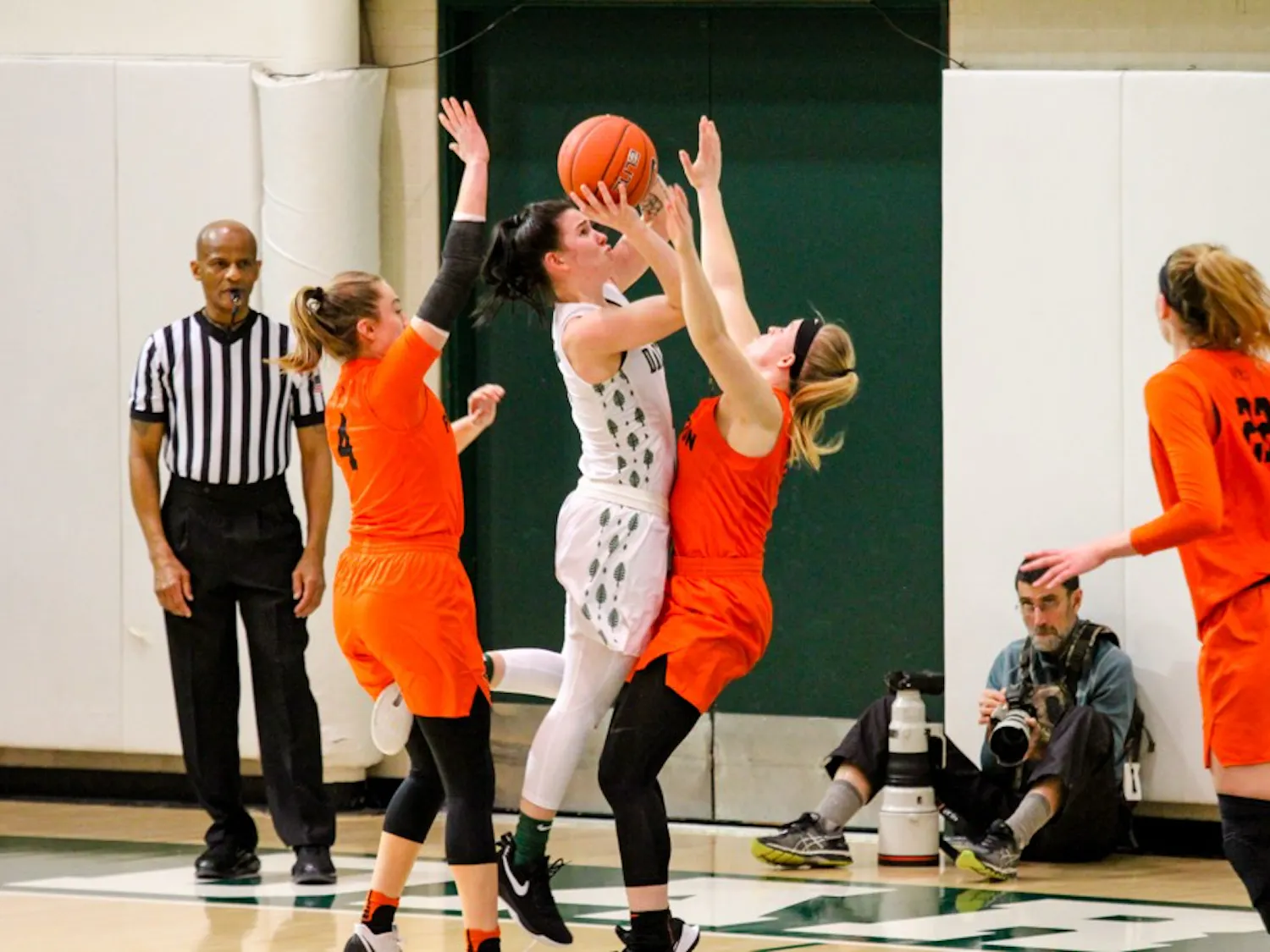
Women's basketball team looks to grow from challenging season
Dartmouth started the 2019-2020 season projected to finish sixth in the Ivy League standings, and it ended there too.
Whether you’re in a mandated quarantine or simply practicing social distancing, we can all agree that there isn’t much to do in the confines of your home. Sure, you’re attending classes from the comfort of your bed and appreciating how light your workload is now that everything is credit/no credit, but you’re getting restless and bored and in desperate need of a distraction. Welcome to a comprehensive list of shows worth your laughs, tears and time, for whatever mood you’re in.
As the COVID-19 pandemic sweeps across the country, Dartmouth’s health services are working to provide care and information to students.
Professors and students are discussing COVID-19 in a variety of classes this term. After the College removed some courses from the course catalog following the move to remote learning, several departments began offering new classes centering on the COVID-19 pandemic, and other pre-existing courses have incorporated pandemic-related topics into their curriculums.
In an email to campus on Friday afternoon, provost Joseph Helble announced a series of steps the College will take to help mitigate the effects of the economic downturn caused by the COVID-19 pandemic.
Though many Dartmouth students will spend the spring term scattered across the world, 184 students remain on campus, according to an email statement from associate dean of residential life Michael Wooten. As campus facilities are mostly closed, these students are living solitary lives on Dartmouth’s usually bustling campus.
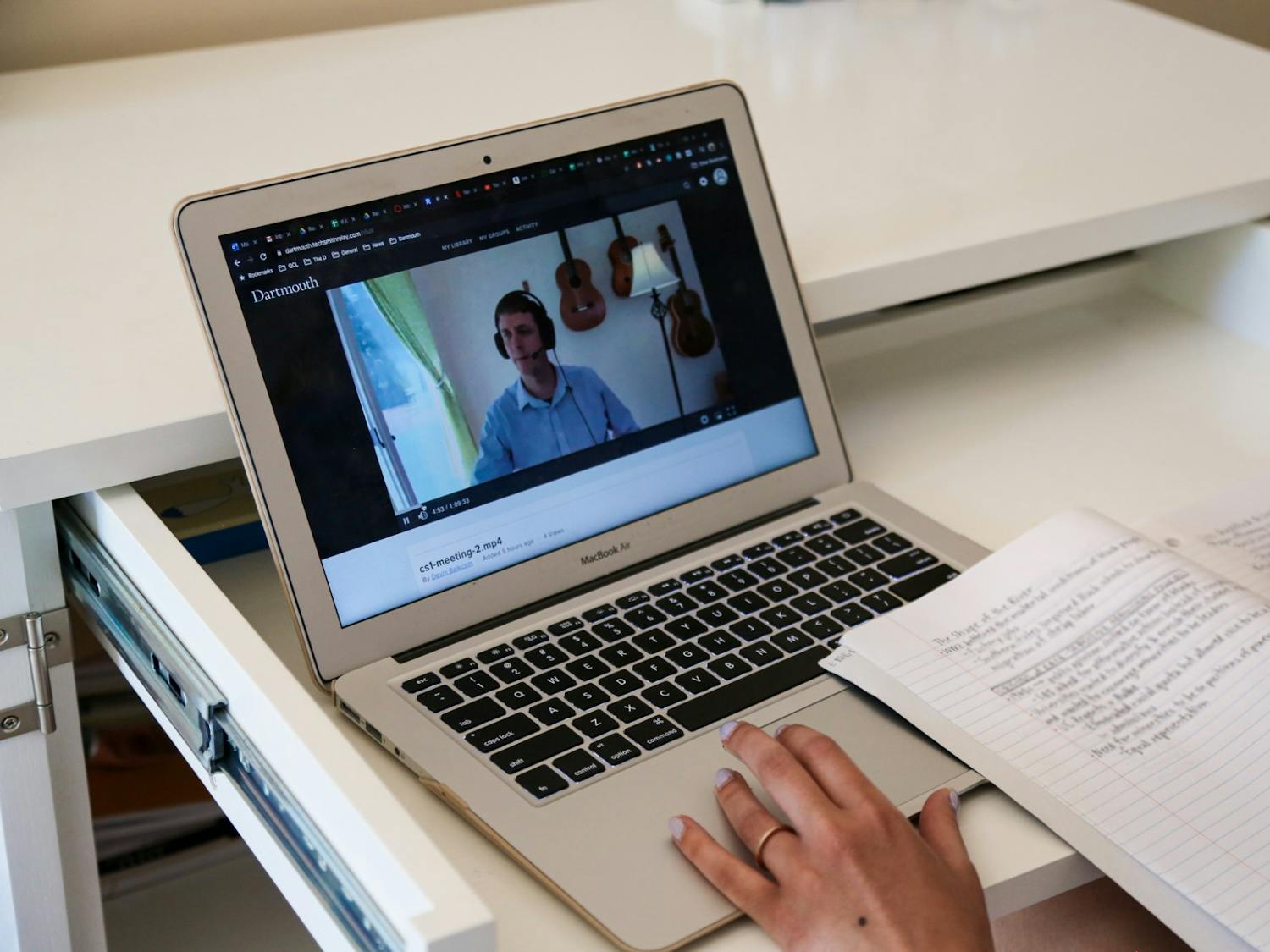
Dartmouth, like many other colleges and universities, has responded to the global spread of COVID-19 by transitioning to remote instruction for all spring term classes. As the first week of classes draws to a close, many professors and students have said they were satisfied with their remote classes, though a number of students experienced complications.
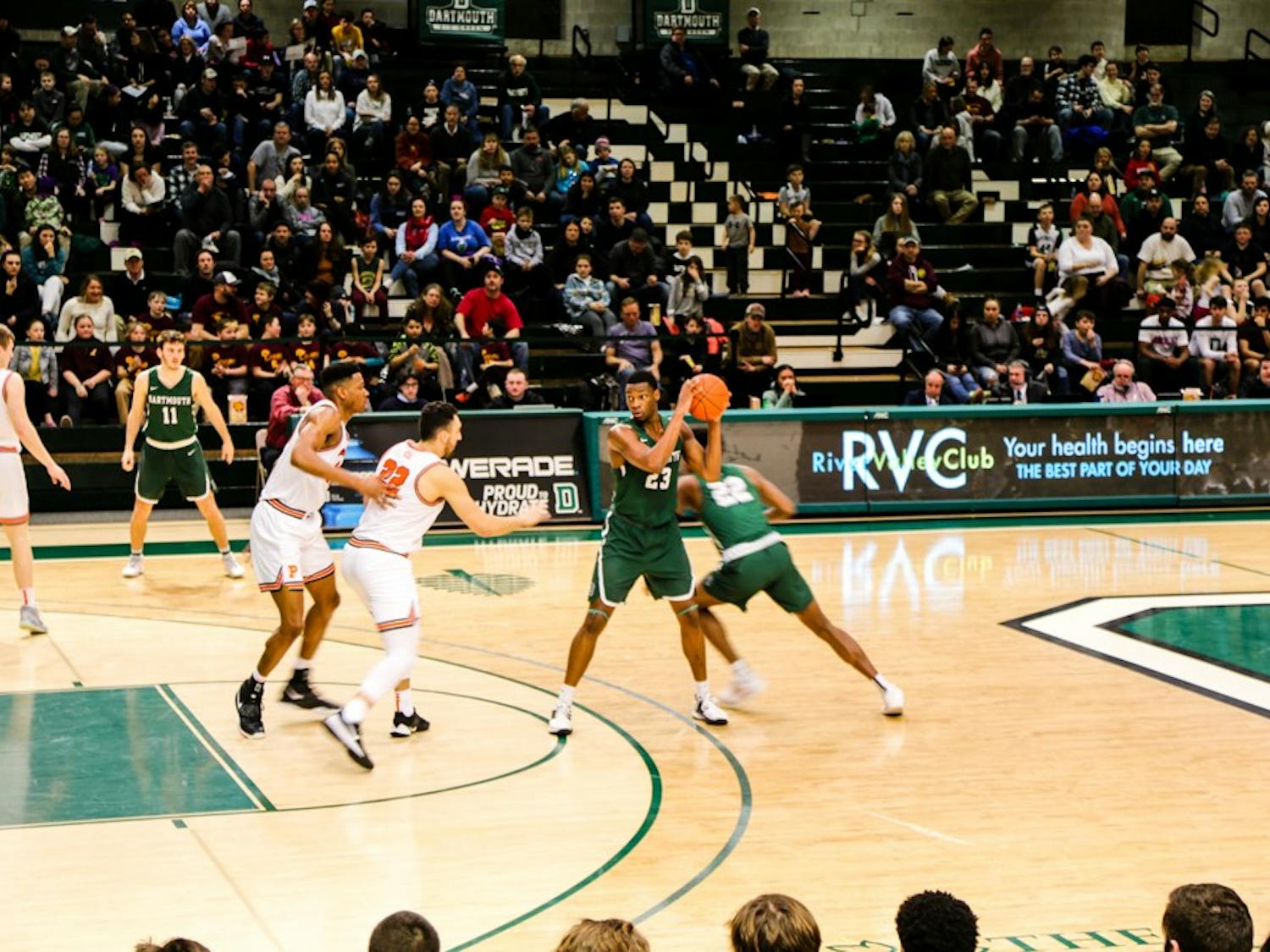
This season, the typical Dartmouth basketball game went something like this: a hot start, a struggle in the middle, a furious comeback, a close loss. It is only fitting that the team’s season would follow the same arc.
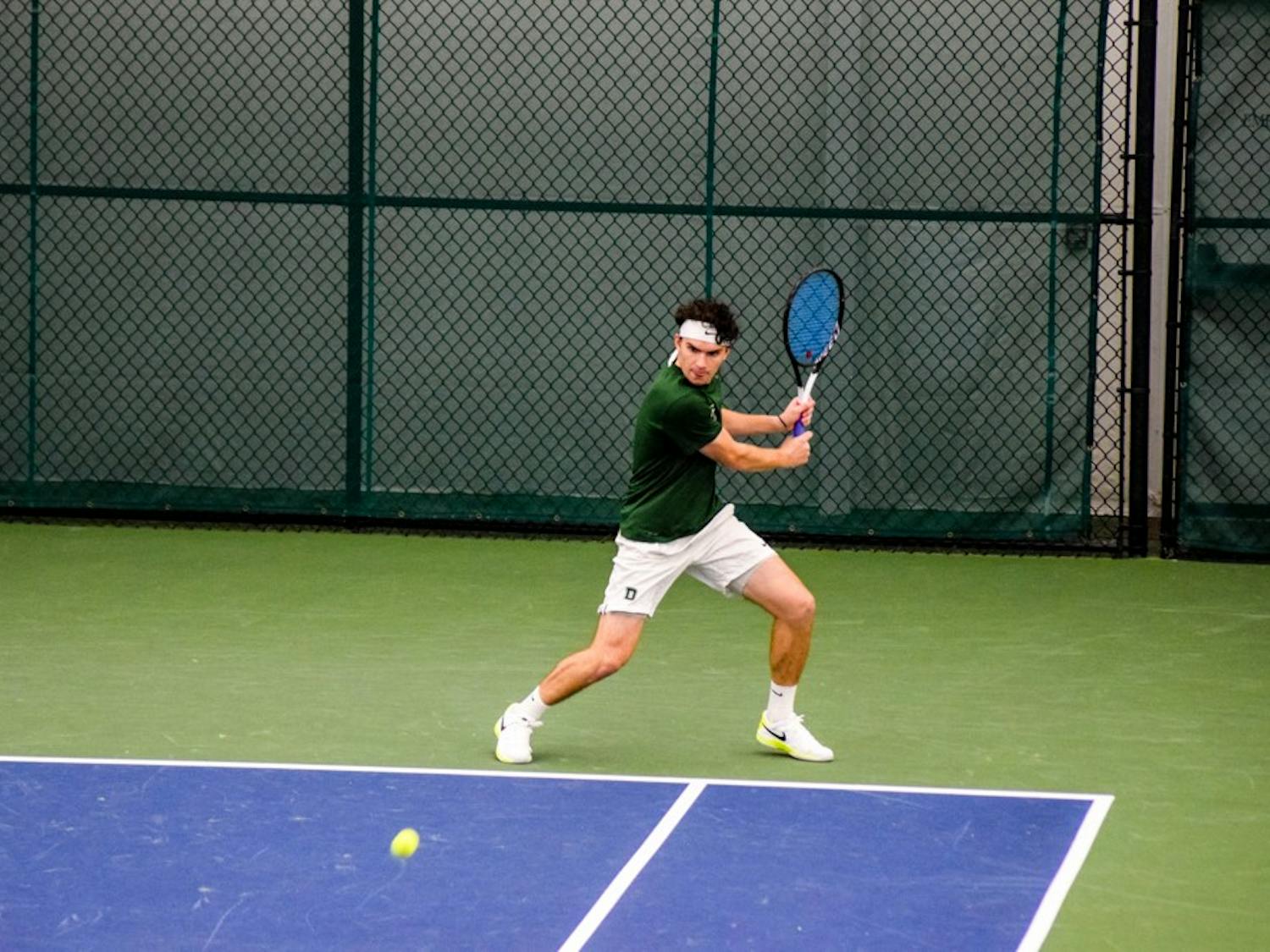
On March 11, the Ivy League canceled all spring sports in response to the rapidly escalating COVID-19 pandemic. For the Dartmouth men’s and women’s tennis teams, this announcement came during the season’s crescendo, as conference play and the postseason were just about to begin.
Dartmouth’s COVID-19 policy lacks student input.
Last week, my dad and I started watching “Baseball,” Ken Burns’ great documentary series telling the long and rich story of America’s national pastime.
In various communications to the Dartmouth community in the weeks since the COVID-19 outbreak began — including during the March 18 virtual town hall — the College promised to increase financial aid this term. Many aid recipients, however, have seen decreased aid packages, which the College has said reflects this term’s lack of room and board costs.
Though many students will still take classes this term despite the move to remote learning, the COVID-19 crisis has abruptly changed both short and long-term academic plans for many in the Dartmouth community.
As it battles the spread of COVID-19, the College has reduced the on-campus presence of many staff members while still paying employees their scheduled base rate of pay through the end of spring term.
In the town of Hanover and the greater Upper Valley, the closing of Dartmouth’s campus is only one piece of a larger halt to normal activity. The threat of COVID-19 transmission has shuttered businesses, strained local medical resources and put local officials and community leaders on edge.
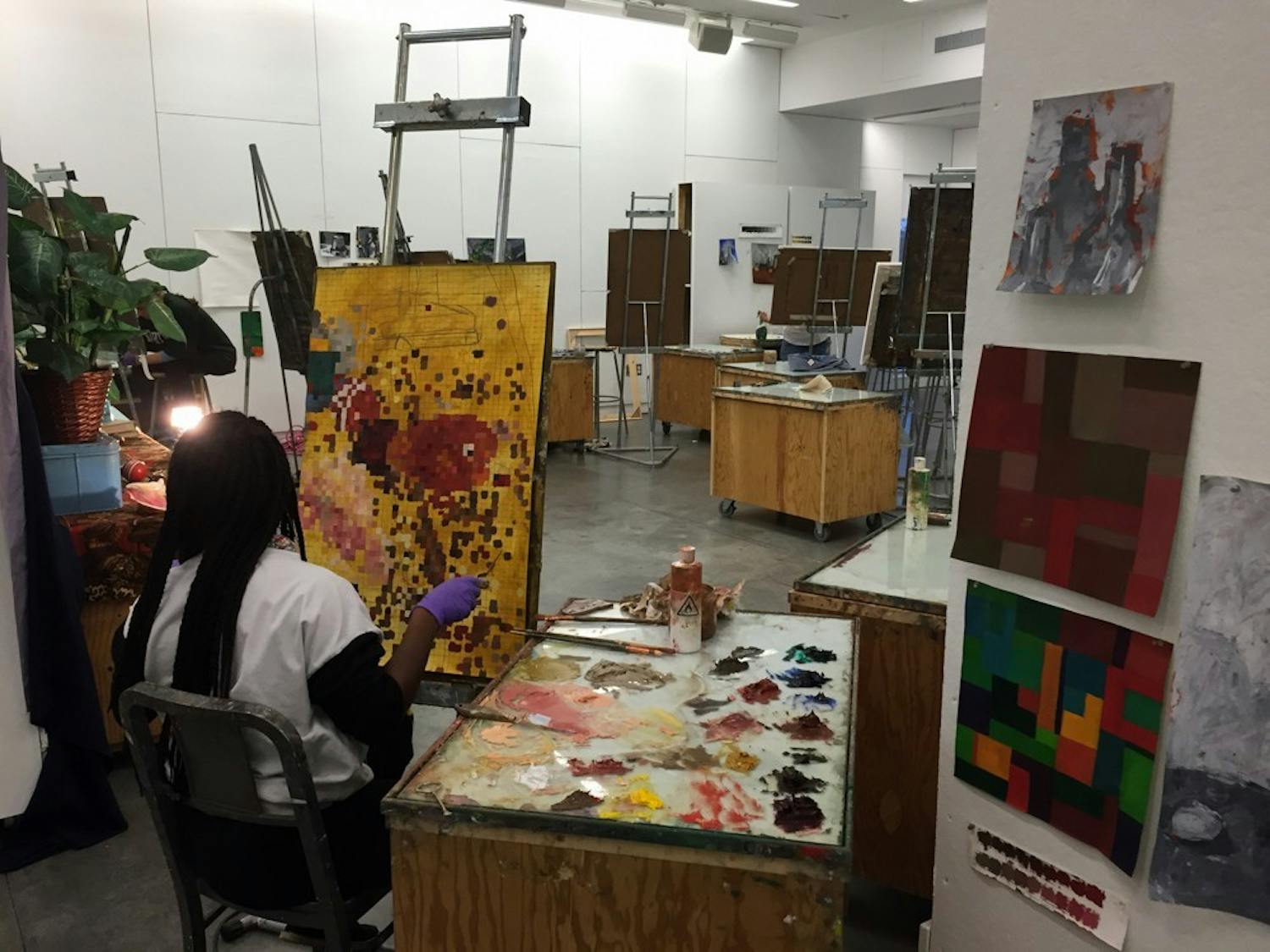
With the College’s switch to online instruction this term, many questions have arisen over how studio art and music courses, which rely heavily on in-person instruction and hands-on learning, will proceed. Despite the challenges, however, faculty and staff in both departments have found ways to keep their courses running remotely.
On March 27, English pop artist Dua Lipa released her sophomore album “Future Nostalgia” one week early, in the midst of the global pandemic. With millions around the world quarantined in their homes and looking for a way to pass the hours, the timing couldn’t be better. The album’s upbeat sound is exactly what the world needs in this time of uncertainty and confusion.
Dartmouth's COVID-19 response has neglected its most vulnerable students.