Weighing the Risks: Students Plan Spring Break Travel
While some students are planning trips this spring break, others have decided it isn’t worth the risk.
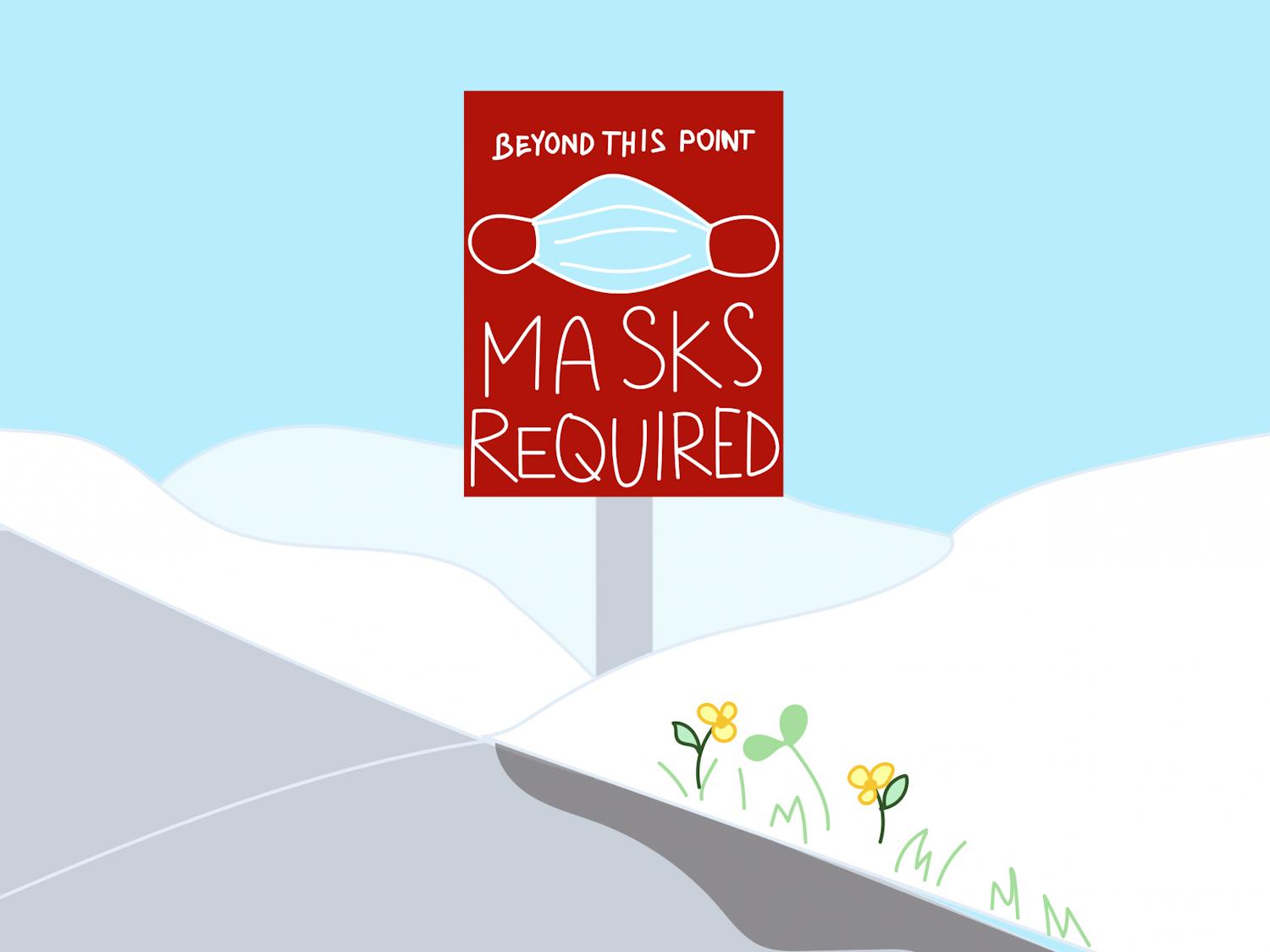

After the recent COVID-19 outbreak, some students worry that spring term on campus might not be so sunny.
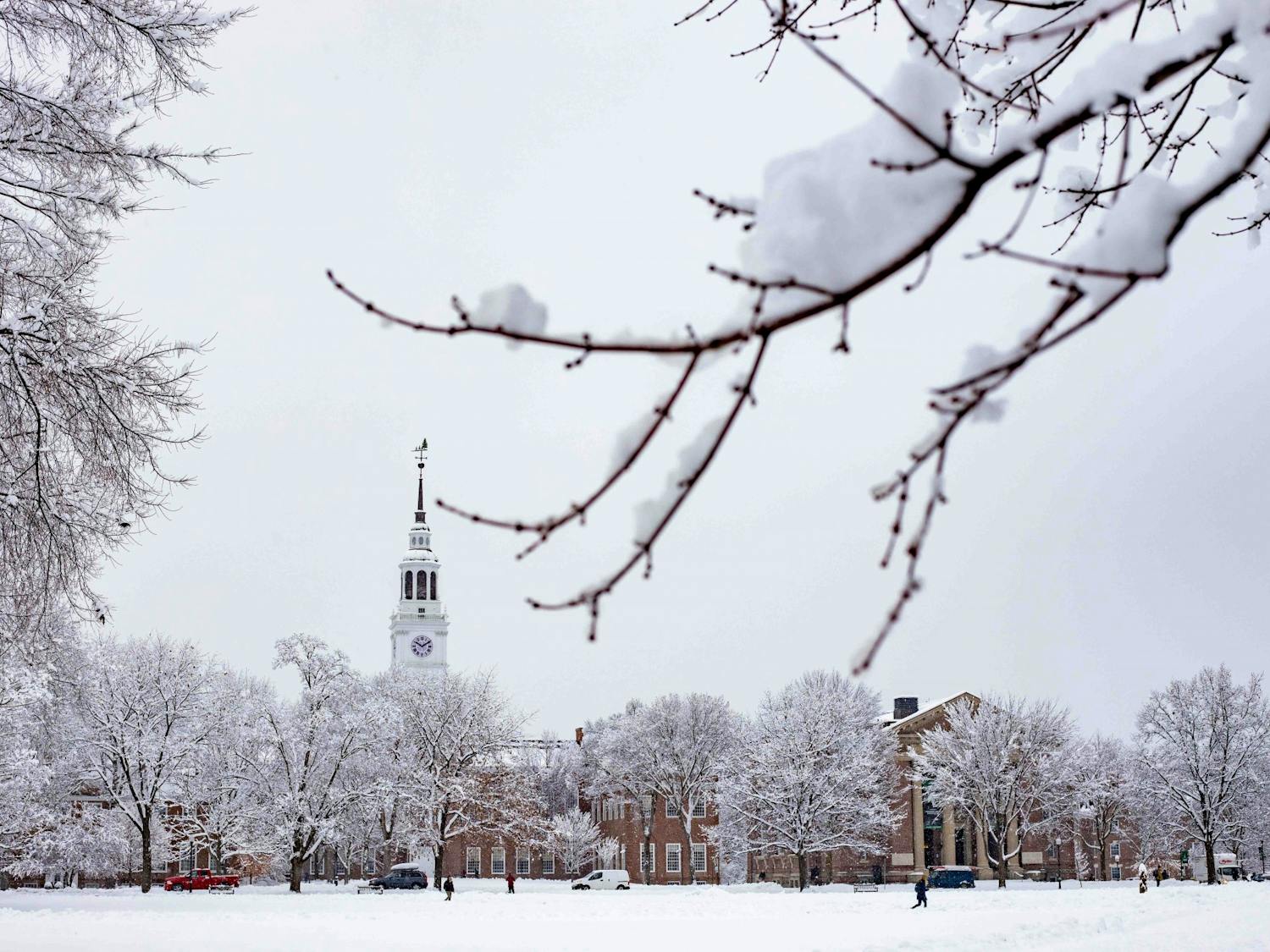
We’re in the final stretch of the term. This week marks many endings: the end of 21W, the end of a campus-wide COVID-19 outbreak and the final days of The Dartmouth’s 177th directorate. Here on campus, it’s nearly 50 degrees and sunny, and the promise of an imminent spring in Hanover has been getting us through the final days of the term (or distracting us from our work by tempting us to go outside — either way, no complaints here).
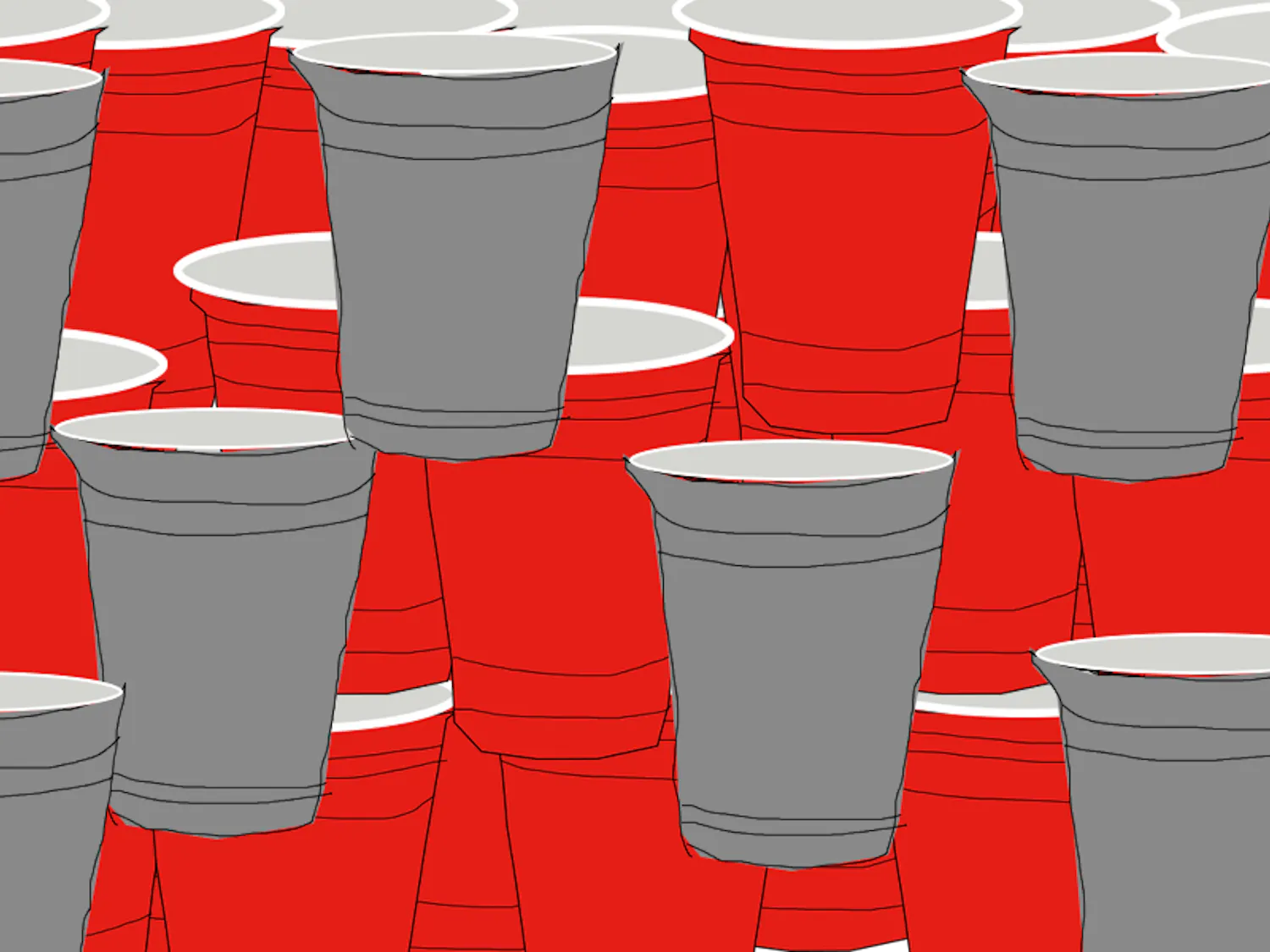
Will Dartmouth pong be yet another casualty of the pandemic?
Now more than ever, college students are feeling the mental health burden of the pandemic.
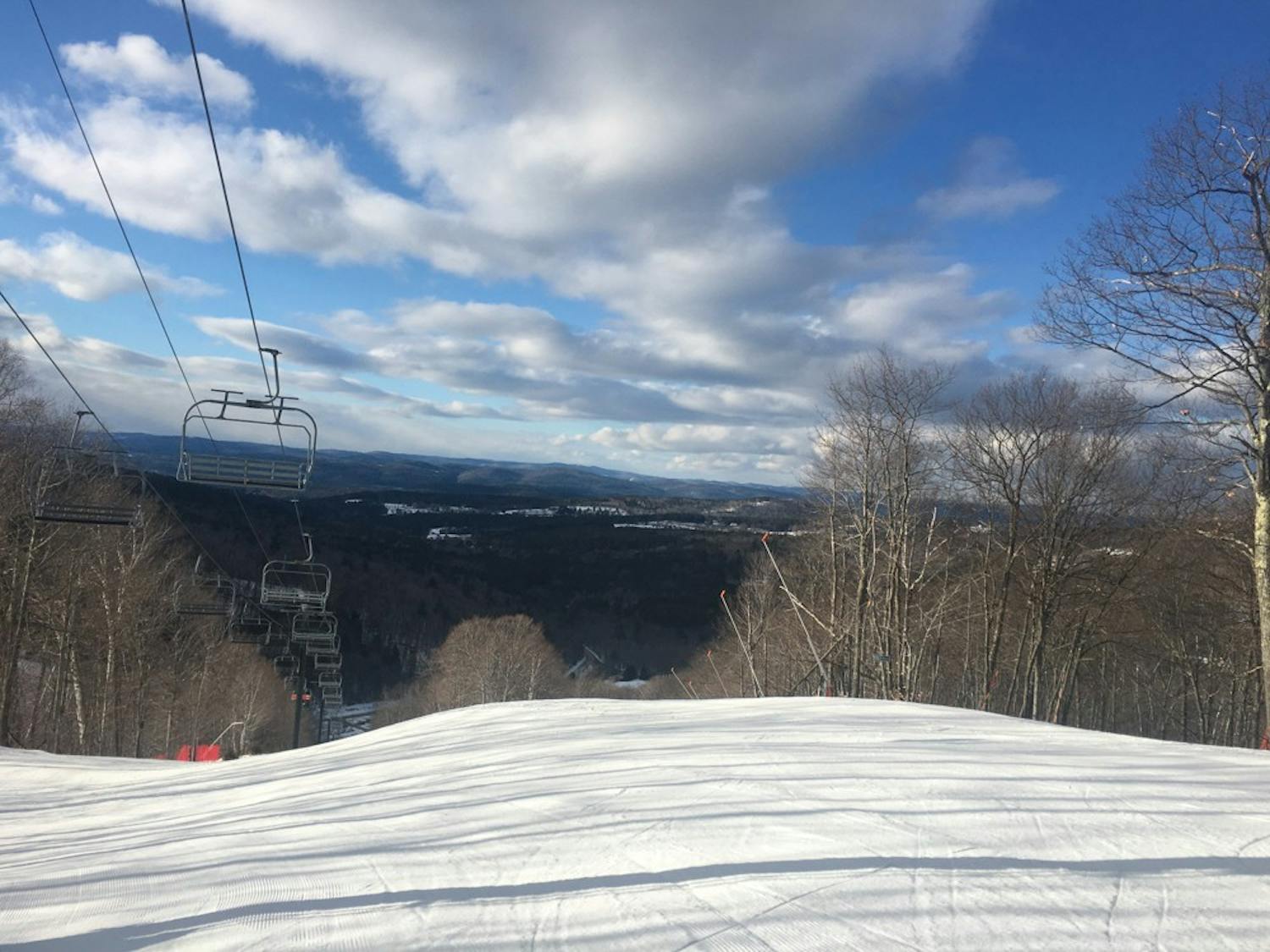
With less than half of its members on campus, Dartmouth Ski Patrol is still working this winter to keep Skiway patrons safe.
This winter, Mirror staff enjoyed ice skating on the Green, spending time with family and getting plenty of sleep.
Winter term is ending on a bittersweet note, but we can find joy in little things — like the surplus of snacks at Collis.
Sexual misconduct didn't stop when fraternities closed their basements. Since the pandemic's onset, the Sexual Violence Prevention Project has worked to provide resources and adapt its programming to the virtual world.
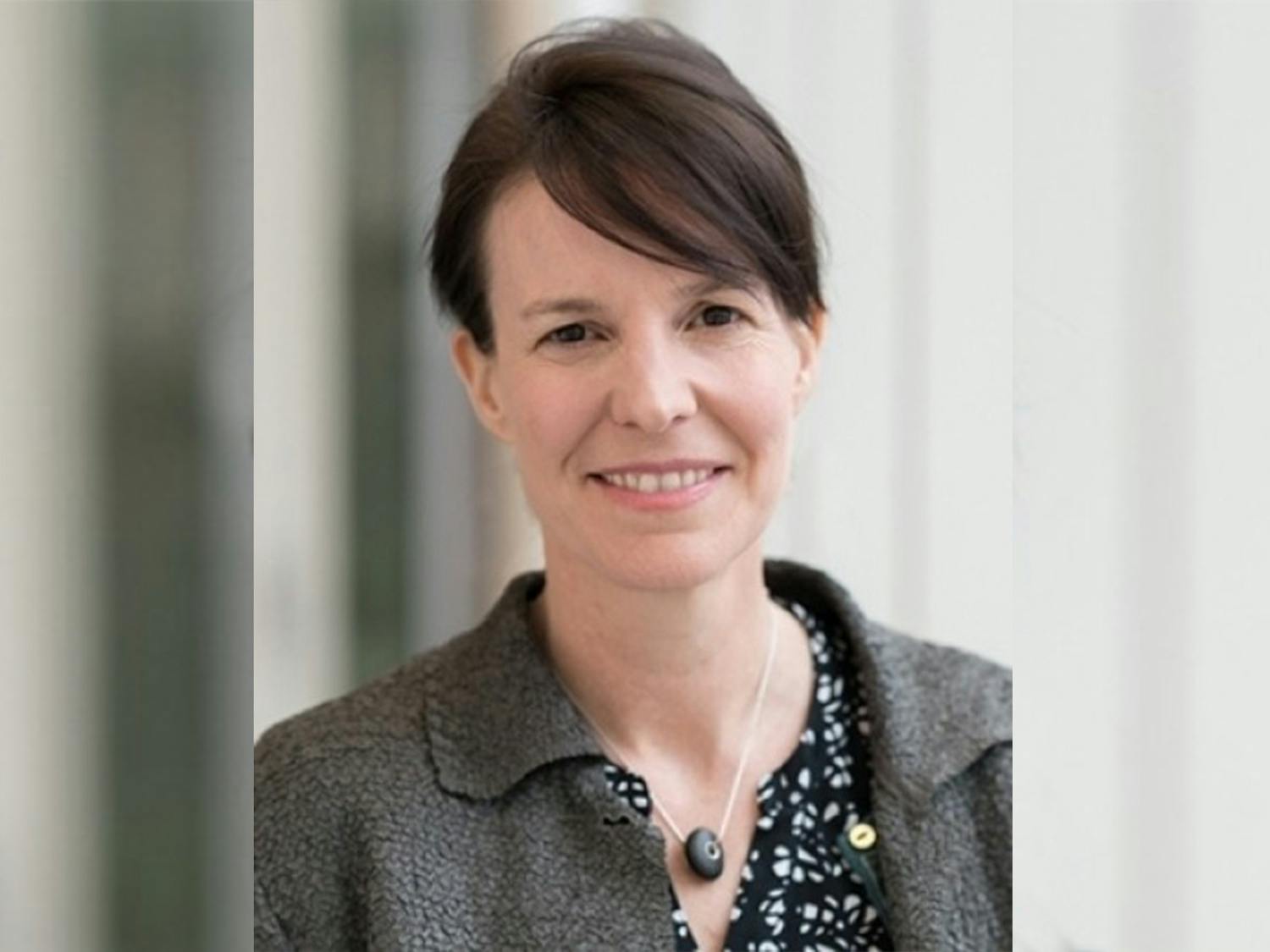
The Irving Institute director discusses the role of energy systems in a world grappling with a climate crisis.
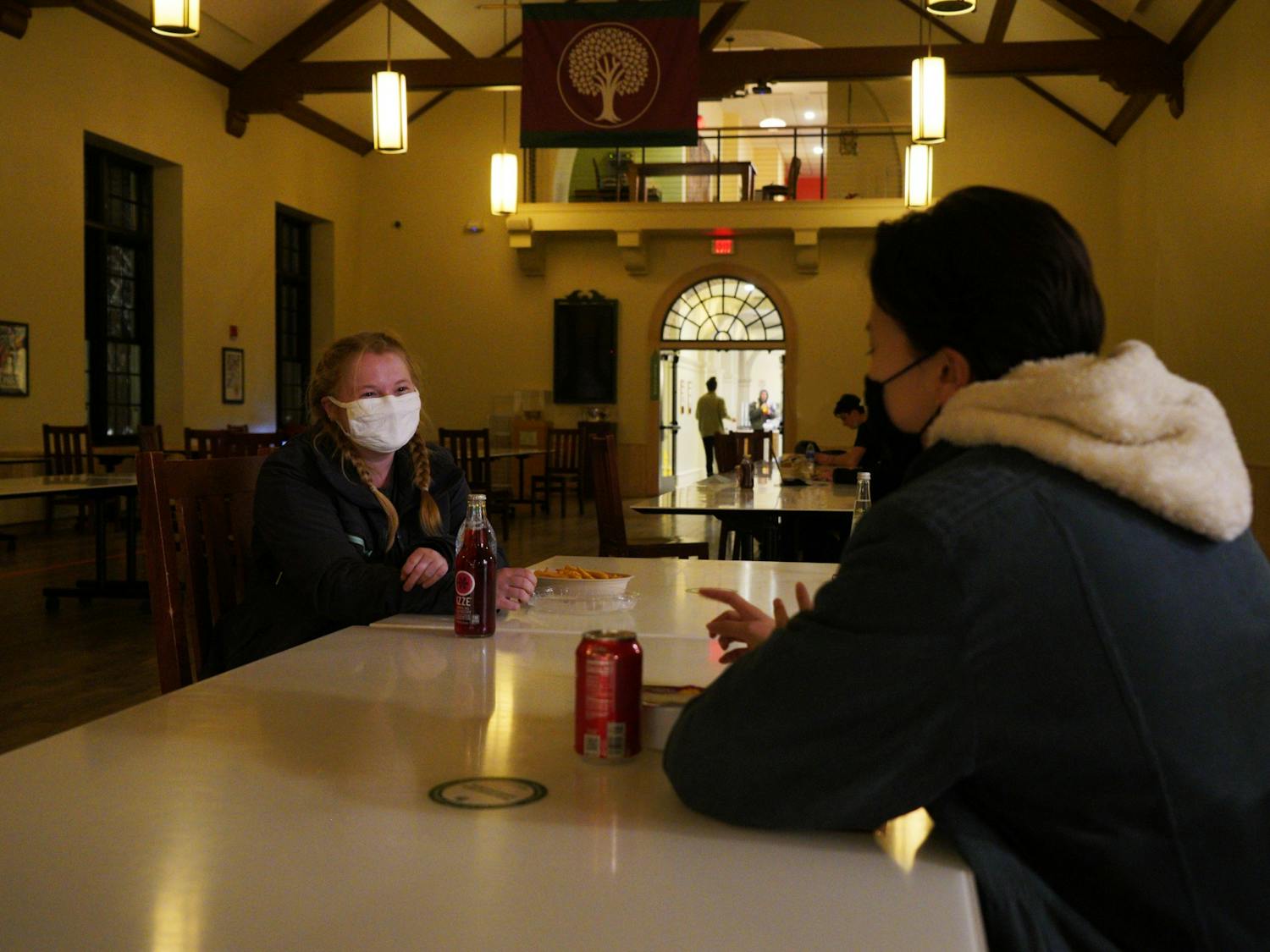
When I imagined winter term on campus, I didn't picture myself yelling through plexiglass to order food at Foco.
Though Collis late night might be closed, its Foco iteration retains some of its old charms — like the mac and cheese bites.
Skating into week eight, we reflect on the term and look forward to our last few weeks of 21W.
What is the symbolic meaning of Black History Month?
Whether you love or hate the D-Plan, Dartmouth’s academic calendar makes it possible for students to travel widely throughout their time in college. Many students cite their study abroad program as the highlight of their Dartmouth experience, and some spend entire years traveling to different countries. Dennis Washburn, associate dean for international studies and interdisciplinary programs, previously called study abroad programs “the jewel in the crown of Dartmouth’s undergraduate education.” These popular programs are a key advantage of the College’s liberal arts curriculum and flexible academic schedule.
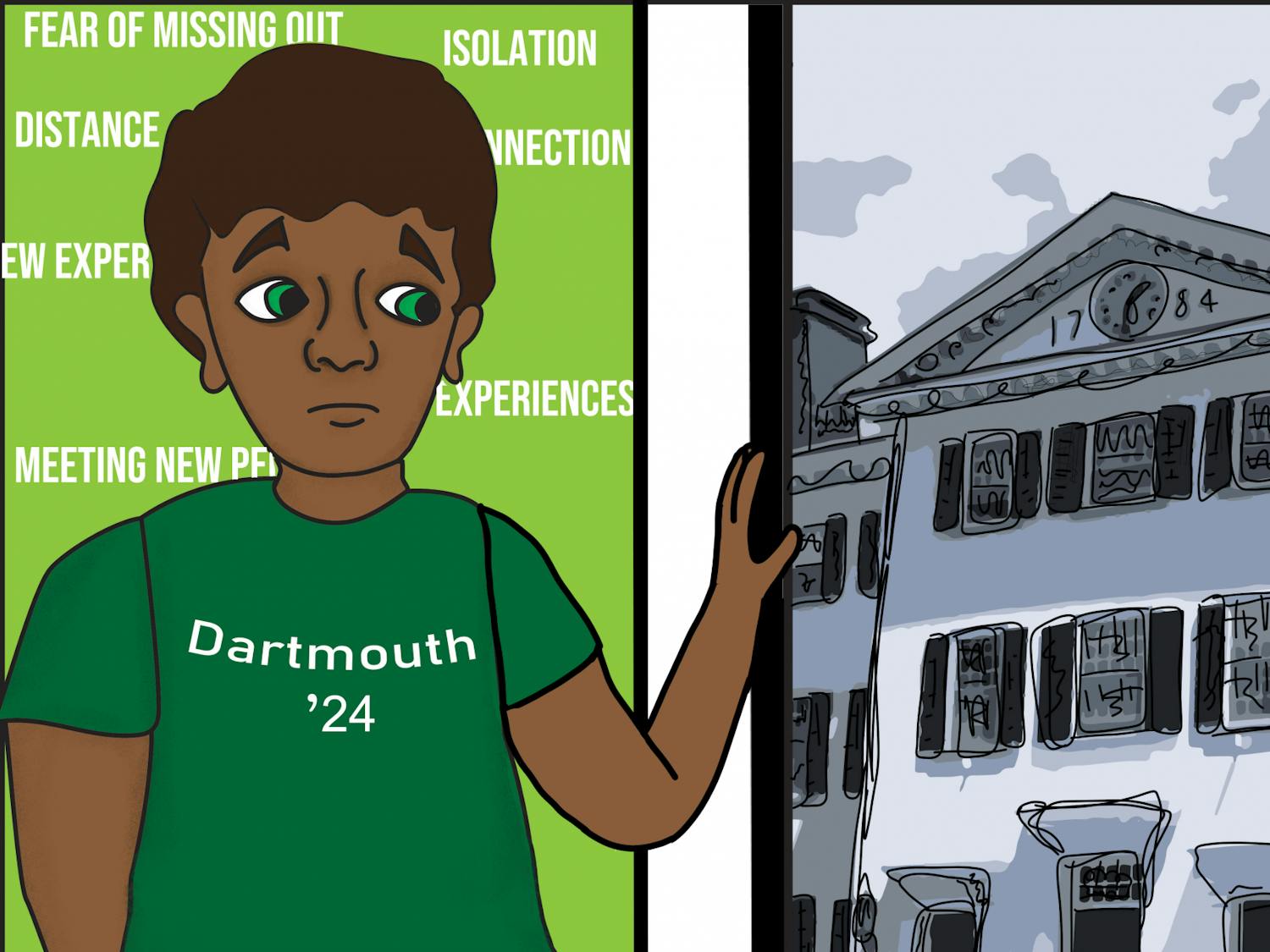
The Class of 2024 was given priority to live on campus during the fall and spring of this academic year, which means that many freshmen are spending their first Dartmouth winter scattered around the world. Whether arriving on campus for the first time or taking Zoom classes in a busy house, ’24s are facing a strange second term at the College.
We’ve all experienced Zoom fatigue, and many of us are fed up with the limitations of the virtual classroom. But not every class at Dartmouth is sticking to the confines of Zoom. Students in PSYC 38, “Cognitive Neuroscience,” have used virtual reality headsets to experience psychological phenomena firsthand.
Almost a year has passed since the pandemic began and campus shut down. By now, we have largely adjusted to the strange, timeless haze of remote learning. Or maybe time is racing by because we are just as busy as usual, jumping from Zoom class to club meeting and back again.
Every year, hundreds of Dartmouth students rush Greek houses. A lot of us end up affiliated, and many of us do not. The process is hectic, inconsistent, fun and frequently disappointing. Even in normal times, it adds a complicated, sometimes contentious, layer to the social networks that we occupy. This year, that extra layer has felt especially weird.
From the College’s yearslong quest to replace its central heating system to the adoption of the Green2Go program at the Class of 1953 Commons, green initiatives have, in recent years, taken on greater importance in Dartmouth’s institutional agenda.