
News
News
Quiznos, Carpaccio close doors
By
Greg Berger
| April 24, 2009
Correction appended Two Hanover restaurants, Quiznos and Carpaccio Ristorante Italiano, have closed their doors in the last month due to the weak economy, according to the restaurants' owners. Jim Rubens, the landlord of the Hanover Park building where the establishments were located, said that the economy has created an environment where struggling restaurants may not be able to survive. "The weak get weeded out during recessions," Rubens said.

News
Erdrich '76 to speak at 2009 Commencement
By
Robert szypko
| April 24, 2009
COURTESY OF THE DARTMOUTH AEGIS Correction appended Acclaimed Native American writer Louise Erdrich '76 has been selected to give the main address at Dartmouth's 2009 Commencement exercises on June 14, the College announced on Thursday.
News
Native American writer Erdrich '76 to deliver graduation address
By
Rob Szypko
| April 23, 2009
Acclaimed Native American writer Louise Erdrich '76 has been selected to give the main address at Dartmouth's 2009 Commencement exercises on June 14, the College announced today.
News
Daily Debriefing
By
Jen Buchholz
| April 23, 2009
The United Nations Educational, Scientific and Cultural Organization launched a World Digital Library on Tuesday, according to The Chronicle of Higher Education.

News
Academic Gala honors thesis writers, fellows
By
Erin Jaeger
| April 23, 2009
Zeke Turner / The Dartmouth Senior Staff College President James Wright and Susan Wright honored students' independent research and creativity at the 12th annual Academic Gala, held Wednesday afternoon at the Top of the Hop.

News
Student march 'takes back the night'
By
Kate Farley
| April 23, 2009
Alina Politzer / The Dartmouth Carrying signs dripping with ink and rainwater, about 50 students braved Wednesday night's weather to participate in "Take Back the Night," a march to raise awareness about sexual assault.
News
Prof. discusses tech., diplomacy
By
Elise Quinones
| April 23, 2009
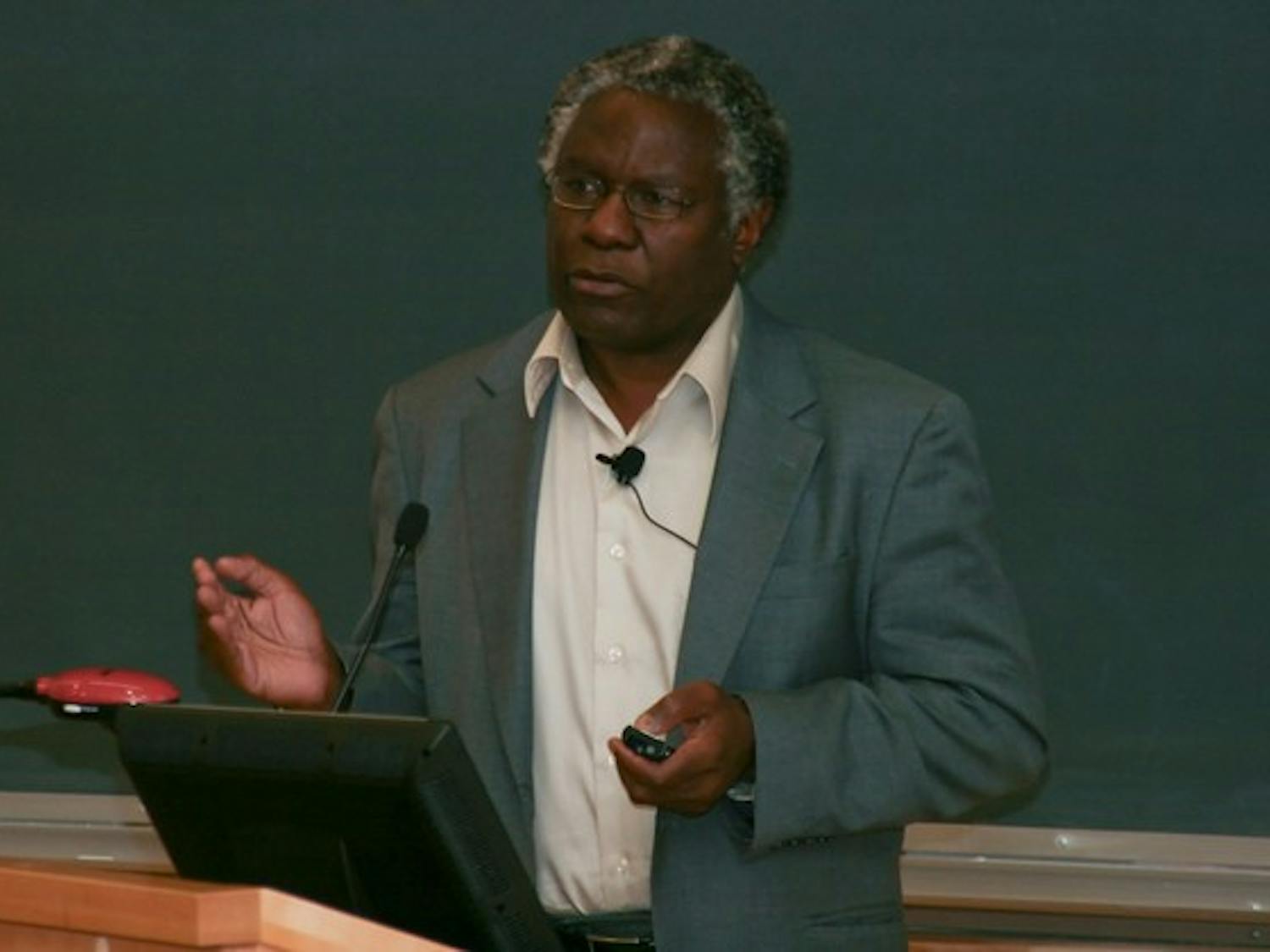
Elisabeth Ericson / The Dartmouth Diplomatic efforts to further the development of science and technology will help to revitalize the global economy, Harvard international development professor Calestous Juma said in a lecture delivered at the Haldeman Center on Wednesday.
News
Alumni reaction split on Zywicki '88 vote
By
Susan Matthews
| April 23, 2009
Trustee Todd Zywicki '88 was offered the opportunity to step down from his position before the Board of Trustees voted not to reelect him in what was the first secret vote in at least the past five years, Trustee T.J.
News
Daily Debriefing
By
Linda Chen
| April 22, 2009
Education Secretary Arne Duncan reaffirmed the Obama administration's commitment to simplifying the federal financial aid application process on Monday, making it easier for students to obtain Perkins loans and Pell grants, Bloomberg.com reported.
News
Police Blotter
By
Compiled by Elise Quinones, courtesy of Hanover Po
| April 22, 2009
April 9, 9:50 a.m. College Street A woman called Hanover Police to report that her son had been bitten by a dog on the Dartmouth campus.
News
SA pres. campaign tactics varied
By
Turia Lahlou
| April 22, 2009
This year's candidates for student body president all chose to employ traditional campaign tactics -- including the creation of Facebook groups, posters and chalking -- but, despite superficial similarities, each candidate's campaign teams differed in both size and philosophy, and achieved varied results throughout the campaign period. Student Body President-elect Frances Vernon '10 sought to personalize her campaign through individual conversations and avoided mass e-mails, employing a "classic model of campaigning," she said.
News
Alleged adult film reps. solicit female on Green
By
Linda Chen
| April 22, 2009
Correction appended Two men claiming to be representatives of Girls Gone Wild, a video franchise promoting female exhibitionism, approached a sorority member wearing clothing displaying her sorority's name on the Green and requested an interview on Tuesday, according to director of Safety and Security Harry Kinne. Kinne said Safety and Security has not confirmed whether the two men are affiliated with Girls Gone Wild. A Dartmouth student and sorority member was approached by the two men, who told her they were looking for attractive girls to interview, according to an e-mail sent to members of Kappa Delta Epsilon sorority from Megan Fallon, assistant director of the Center for Woman and Gender and the sorority's adviser.
News
Vernon '10 will focus on budget
By
Ann Baum
| April 22, 2009
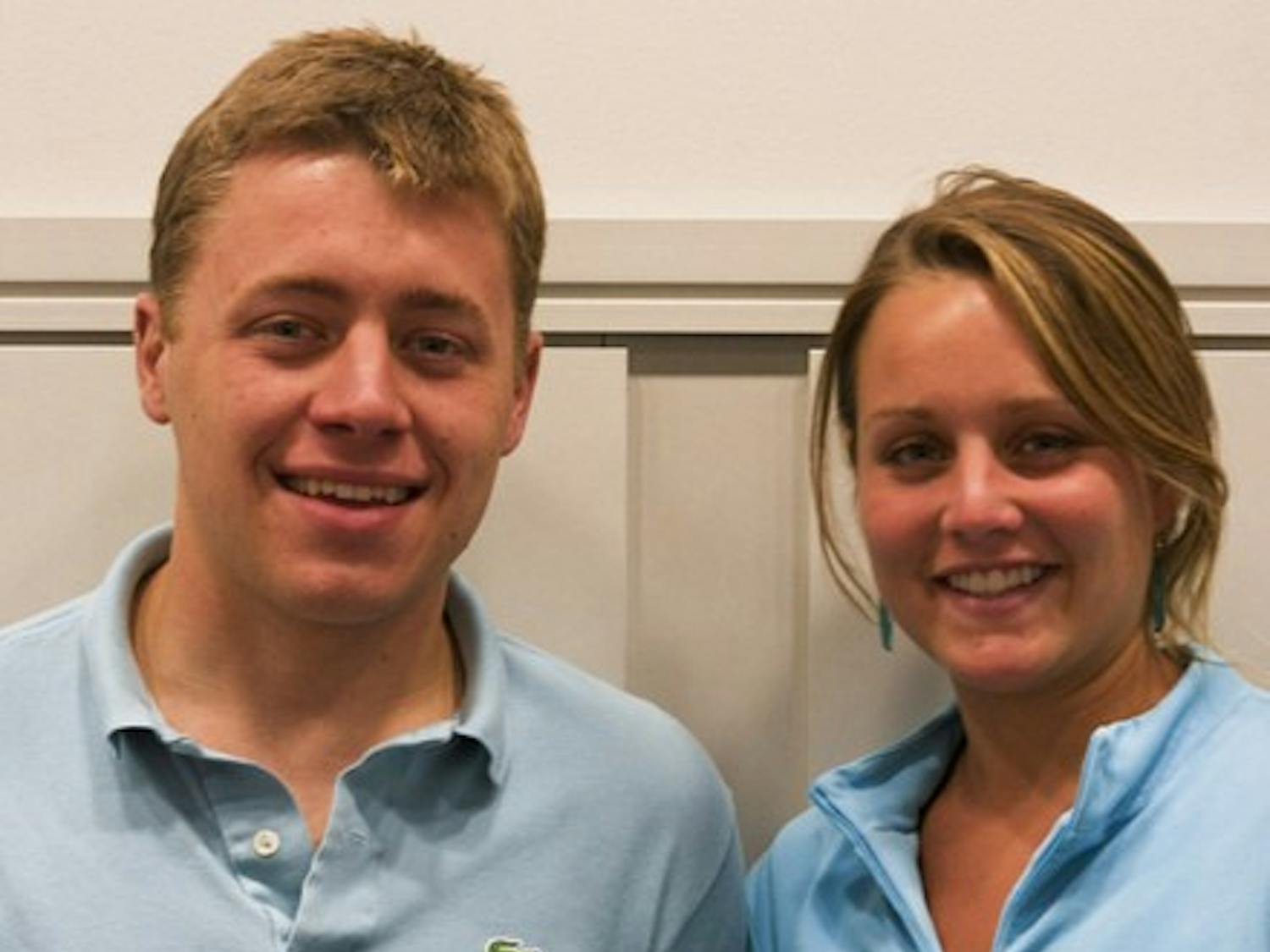
Sarah Irving / The Dartmouth Staff Student Body President-elect Frances Vernon '10 told The Dartmouth that she will focus largely on budget issues during her transition to the presidency, but will delay creating detailed plans to address the effects of the College's budget cuts on student organizations until the Assembly has consulted with the Undergraduate Finance Committee.
News
Summary judgment may be sought in suit
April 22, 2009
Both parties in the current alumni lawsuit against the College told The Dartmouth that they may file motions for summary judgment, in which the judge decides the case without a full trial.
News
Daily Debriefing
April 21, 2009
Foreign Policy magazine ranked Dartmouth eighth on its list of top international relations programs in its March/April 2009 issue.
News
Journal removal will save space
By
Andrew Wells
| April 21, 2009
The Dartmouth library will soon begin removing old print issues of scholarly journals that are also available on the online archive JSTOR from its collection, according to Elizabeth Kirk, associate librarian for information resources.

News
N.H. bill would allow use of medicinal marijuana
By
Katie Gonzalez
| April 21, 2009
Geoff Holman / The Dartmouth The College Libertarians called on the state of New Hampshire and the federal government to decriminalize marijuana in a demonstration on Monday in Dartmouth's Lone Pine Tavern.
News
Student Board member is unlikely
By
Kate Farley
| April 21, 2009
While Cornell University is currently the only Ivy League institution to seat students on its Board of Trustees, the concept is a recurring theme of Dartmouth student government campaigns, including that of student body presidential candidate Frances Vernon '10.
News
Microbes found below glaciers in Antarctica
April 21, 2009
The rust-colored brine that oozes from Blood Falls at Taylor Glacier in Antarctica may shed light on how early life on Earth developed in extreme conditions, according to a study led by Jill Mikucki, a geomicrobiologist and visiting fellow at the John Sloan Dickey Center for International Understanding.