Arrington: We Need More Women in Politics
A balanced ballot empowers everyone.
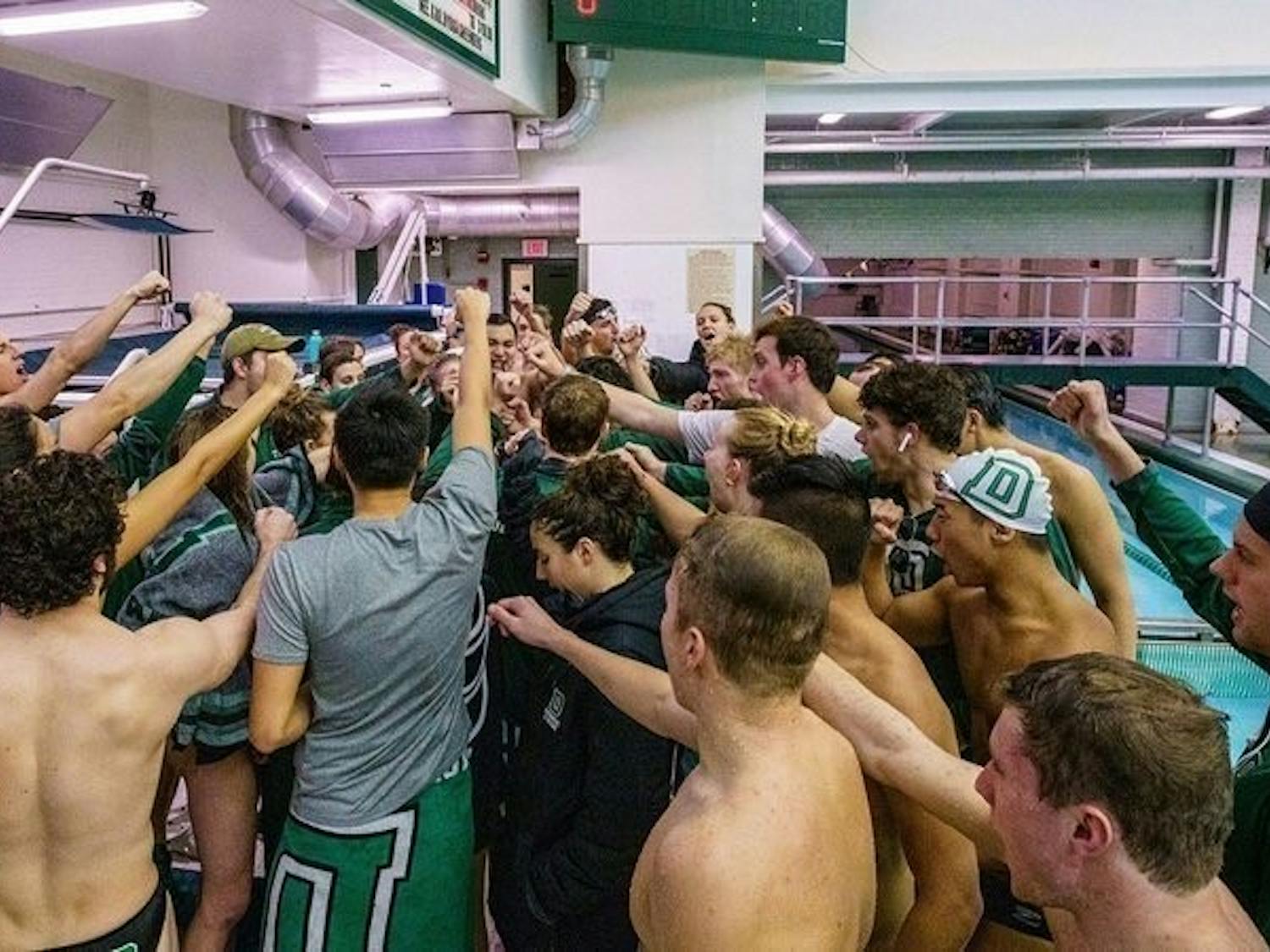
On Oct. 13, 20 Dartmouth sports teams issued an open letter addressed to College President Phil Hanlon and athletics director Harry Sheehy calling for the reinstatement of the five varsity teams eliminated in July.
The winner-take-all system should be rethought. The Electoral College shouldn’t.
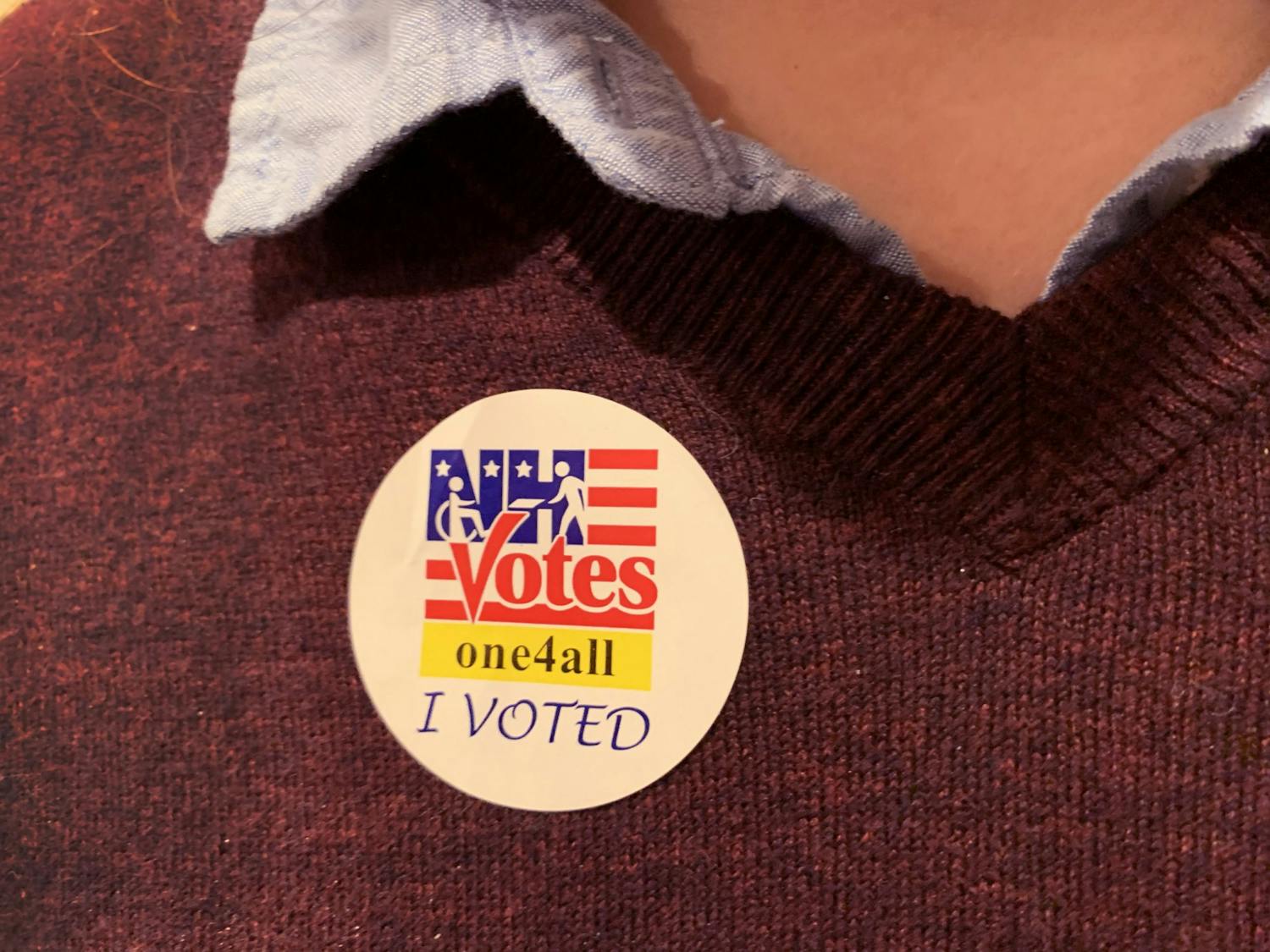
Jono Klein ’19 and Bharath Katragadda ’19 have joined forces to start a voting initiative, Vote Saver, aimed at helping elderly voters and essential workers avoid long wait times at the polls. On Election Day, volunteers will save spots in line for senior citizens, veterans and essential workers who may have limited time.
I remember finishing my work shift in late July and pulling out my phone to see 235 unread messages. I braced myself for what I already knew: term assignments had come out. Everything I had speculated about sophomore year would change once I opened my email from the Registrar. Disbelief struck when I read that I had been approved for only one term, summer.
As we approach Halloween here at Dartmouth, there’s a heightened level of fear across the student body. This fear, however, is not caused by your typical horror film or haunted house. Rather, it is the result of a steady stream of unknowns, distrust and paranoia surrounding one of the most concerning trends of fall term: students being forced to leave campus for the remainder of the academic year due to COVID-19 policy violations.
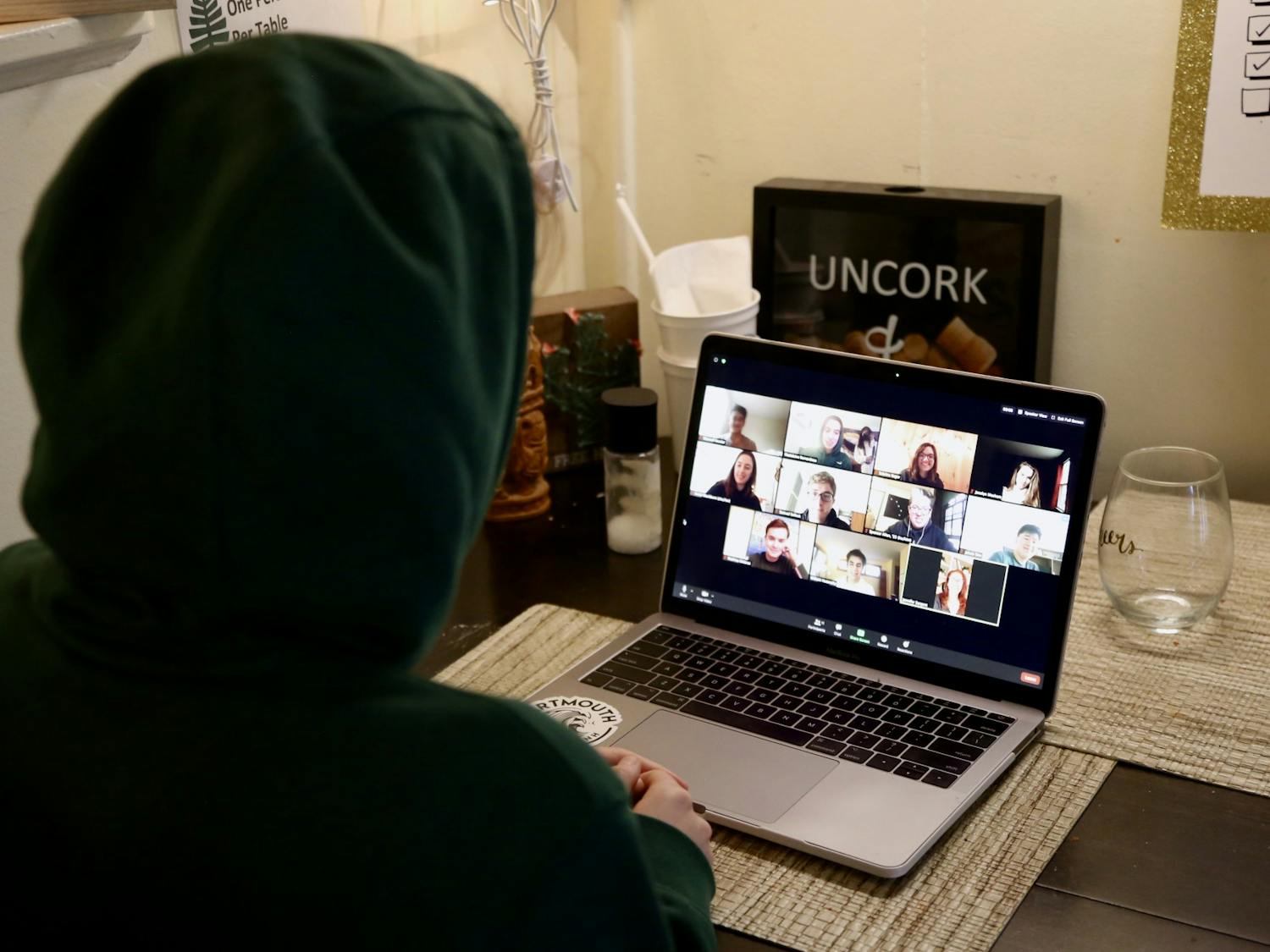
For international ’24s, dealing with time zone differences, worrying about getting to know people over a screen and struggling to make club meetings were certainly unexpected occurrences this fall. I, for one, never pictured myself dealing with a 13-hour time difference and attending office hours at four in the morning while taking classes in Seoul, South Korea.
You don’t have to be at Dartmouth long to hear about how dismal winter term can be. However, after growing up in Maine and coming off an amazing first term, I did not believe I would succumb to the winter slump myself when I was on campus last year. But as my boots filled with snow as I trekked across the Green, I began to understand what upperclassmen meant when they criticized winters at Dartmouth.
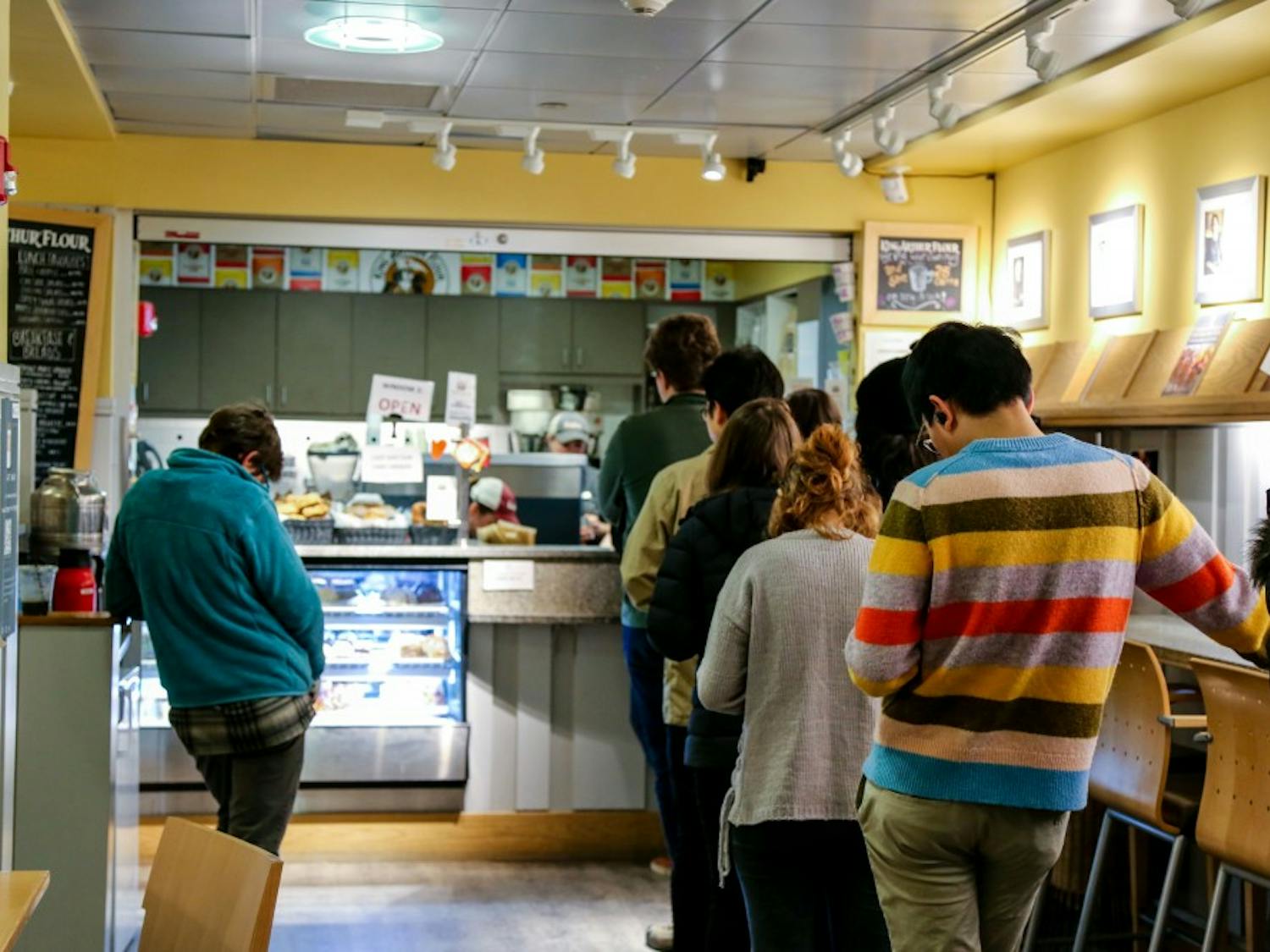
King Arthur Flour’s Baker-Berry Library location — known to students as little KAF — has been closed for five months, and I’ve yet to successfully recreate their maple latte or spinach quiche. It might have something to do with my culinary skills, but maybe it just doesn’t taste the same without the delayed gratification of a 30-minute wait in line and the weight of an impending assignment on my shoulders.
Ask any Dartmouth student about their most pressing concerns and you’re unlikely to hear that they’re stressing about finding their soulmate. The terms go by quickly and it’s hard enough to keep up with the whirlwind of club meetings, lunch dates and assignments. Though the object of marriage is not on the radar for most, there’s a certain phenomenon of Dartmouth students marrying other Dartmouth students. Although there aren’t statistics to back up the rumors, ask any student on campus about it and they’re likely to know what you’re talking about.
They call October “spooky season,” and this year, it’s not hard to see why. Dartmouth students are nearing the end of our third term since COVID-19 began. Finals are approaching, and exams and essays are always spooky. Next week, Americans will head to the polls to determine the trajectory of our nation, and many students can only hope their absentee ballots get counted. Spooky. And of course, Halloween is right around the corner, but can any costume be spookier than the masks we’ve been wearing for months?
This winter, students will once again have few opportunities for on-campus instruction, with about 1% of course section offerings available fully in person. Only eight undergraduate courses will have at least one section with fully in-person instruction in the winter, down from 10 offered fully in person this fall.
Although the program came to an abrupt end in July after the College cut five varsity teams, the lightweight rowing team leaves behind a legacy of success, teamwork and a strong work ethic.
Dartmouth must address the racism of one of its most prominent alumni.
A search is underway to fill the newly-created position of senior vice president and chief diversity officer at the College. Some Black alumni and students are wary of the potential for the position to be purely symbolic, but are hopeful that the new position will have sufficient power to effect change on campus.
My LeBron James fandom still has me fired up about the NBA after a thrilling couple of months in the bubble. So, before I turn my attention to the NFL for the next few months of this column, I’m going to pay homage to a great NBA season and preview what should be an even better one next year.
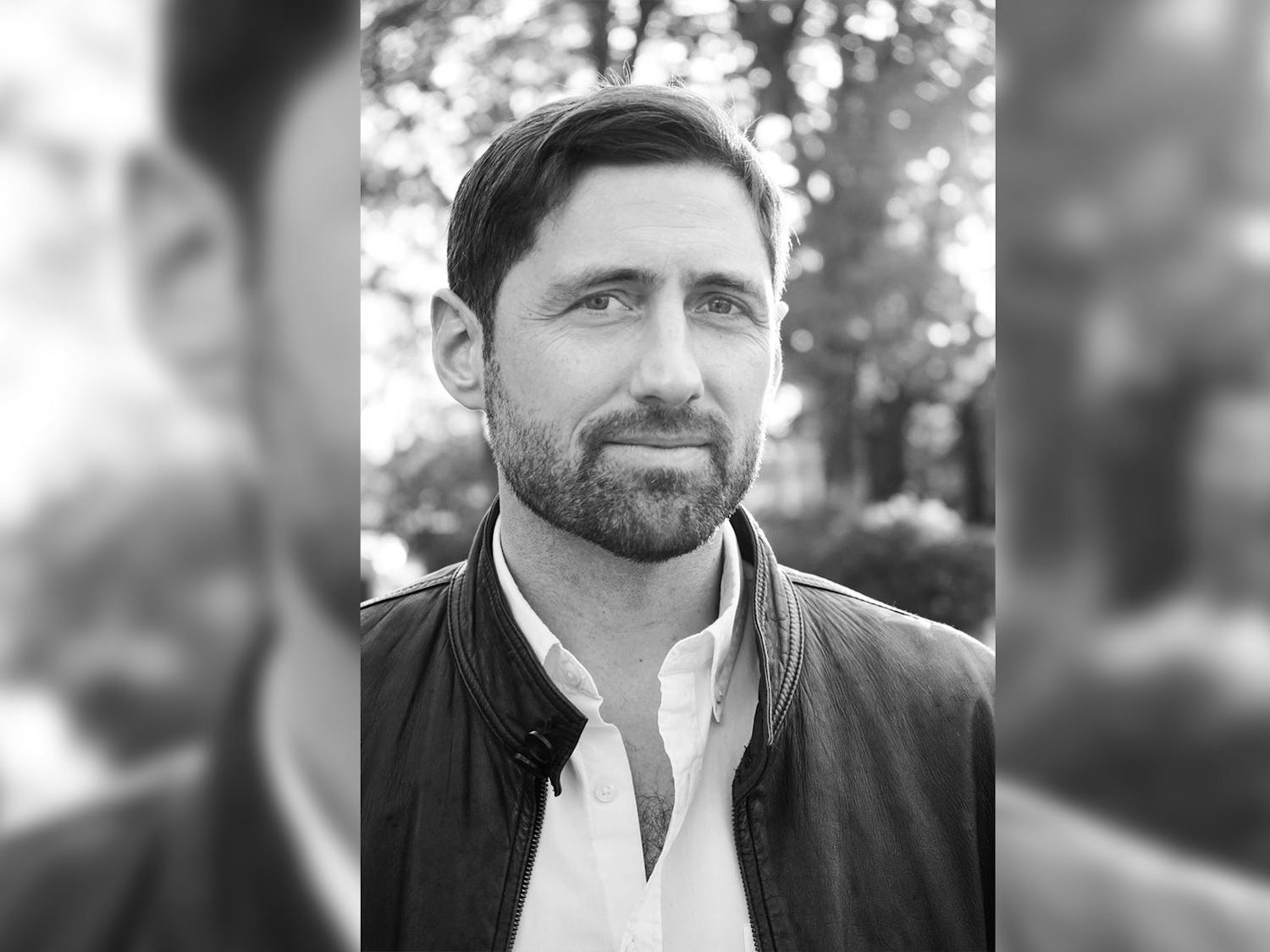
In 2014, Iraq war veteran Phil Klay ’05 won the National Book Award for fiction with his debut short story collection, “Redeployment.” This year, he published his first novel, “Missionaries,” which tells the story of terrorism, drug wars and global conflict in Colombia through four intertwined perspectives. The story follows U.S. Army Special Forces medic Mason, foreign correspondent Lisette, Colombian officer Juan Pablo and Colombian militia lieutenant Abel as they struggle to navigate life in the midst of war. Klay’s work has been heavily influenced by his time serving in the U.S. Marines.
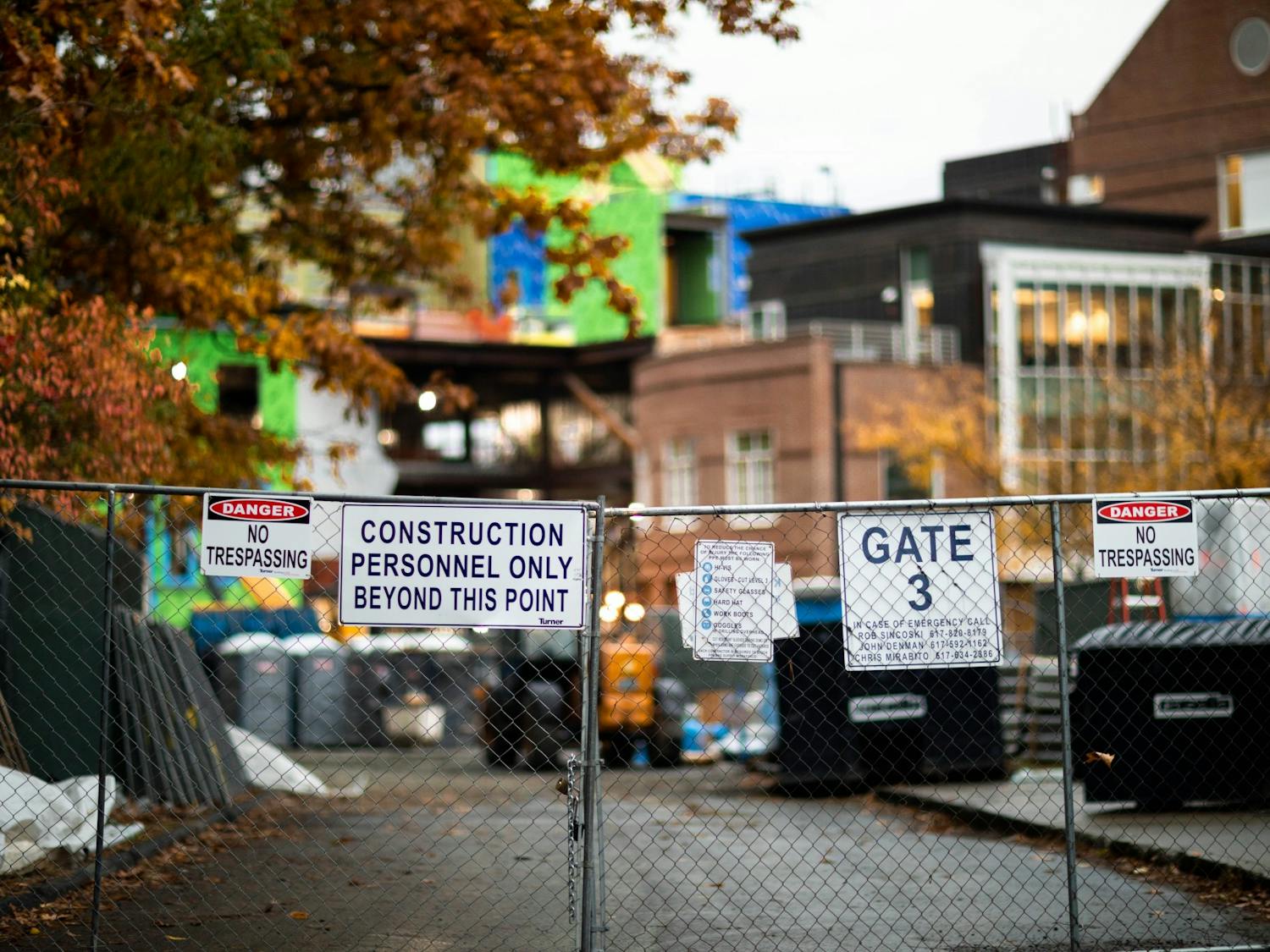
On Oct. 13, construction workers completed the structural skeleton of the Arthur L. Irving Institute for Energy and Society. The milestone, marked by a virtual ceremony, comes as various other construction projects on campus continue smoothly.
Turkey’s involvement in the Armenia-Azerbaijan conflict is an extension of the Armenian Genocide.
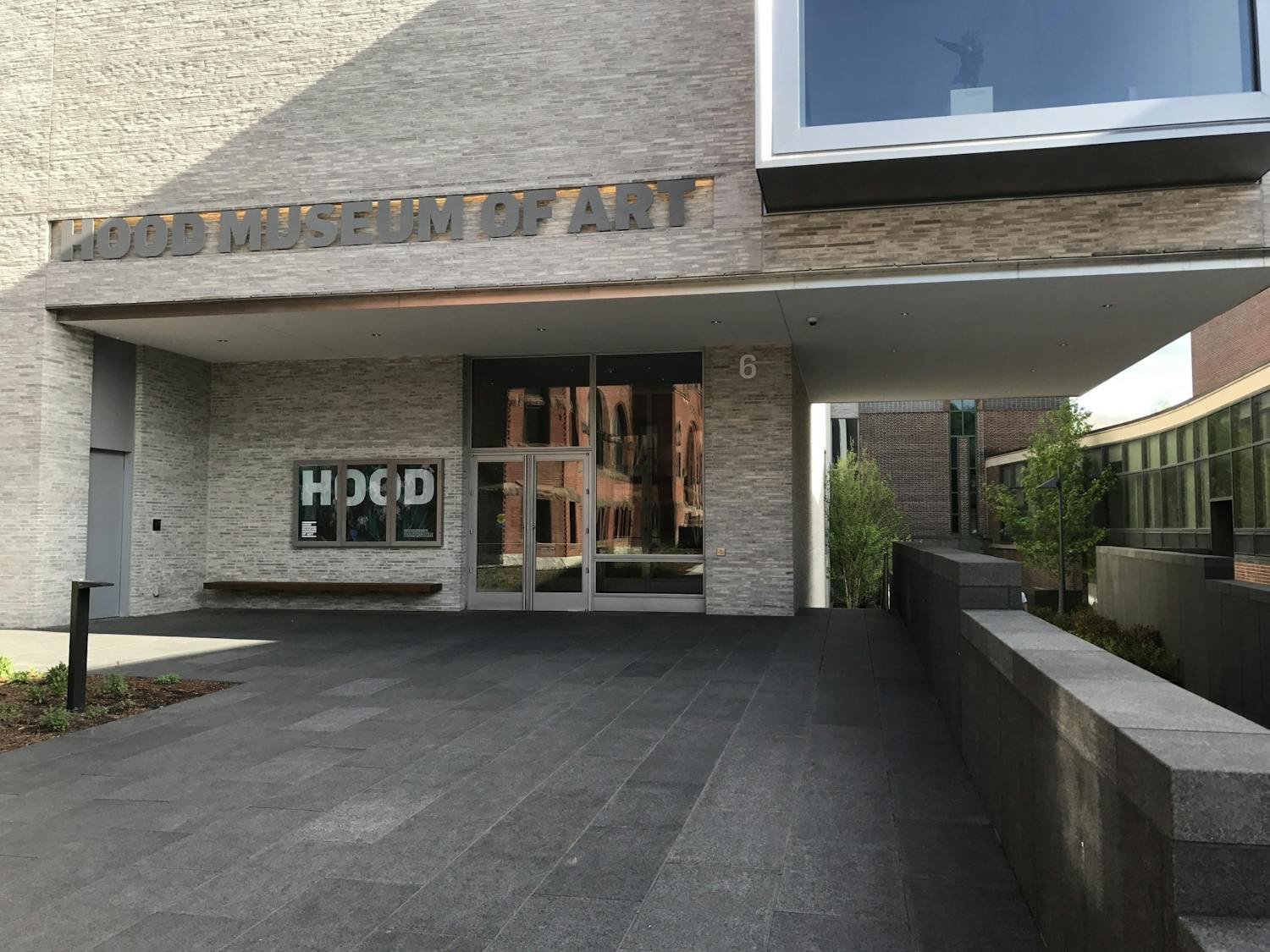
Whether on or off campus, art enthusiasts now have the chance to browse Dartmouth’s public art collection thanks to the Hood Museum of Art’s new remote escape room game, “Escape to the Outdoors.”