Knowing Nothing
During an especially introspective stretch of time, my 15-year-old self jotted down several quotes that fell within the boundaries of what I perceived to be profound.
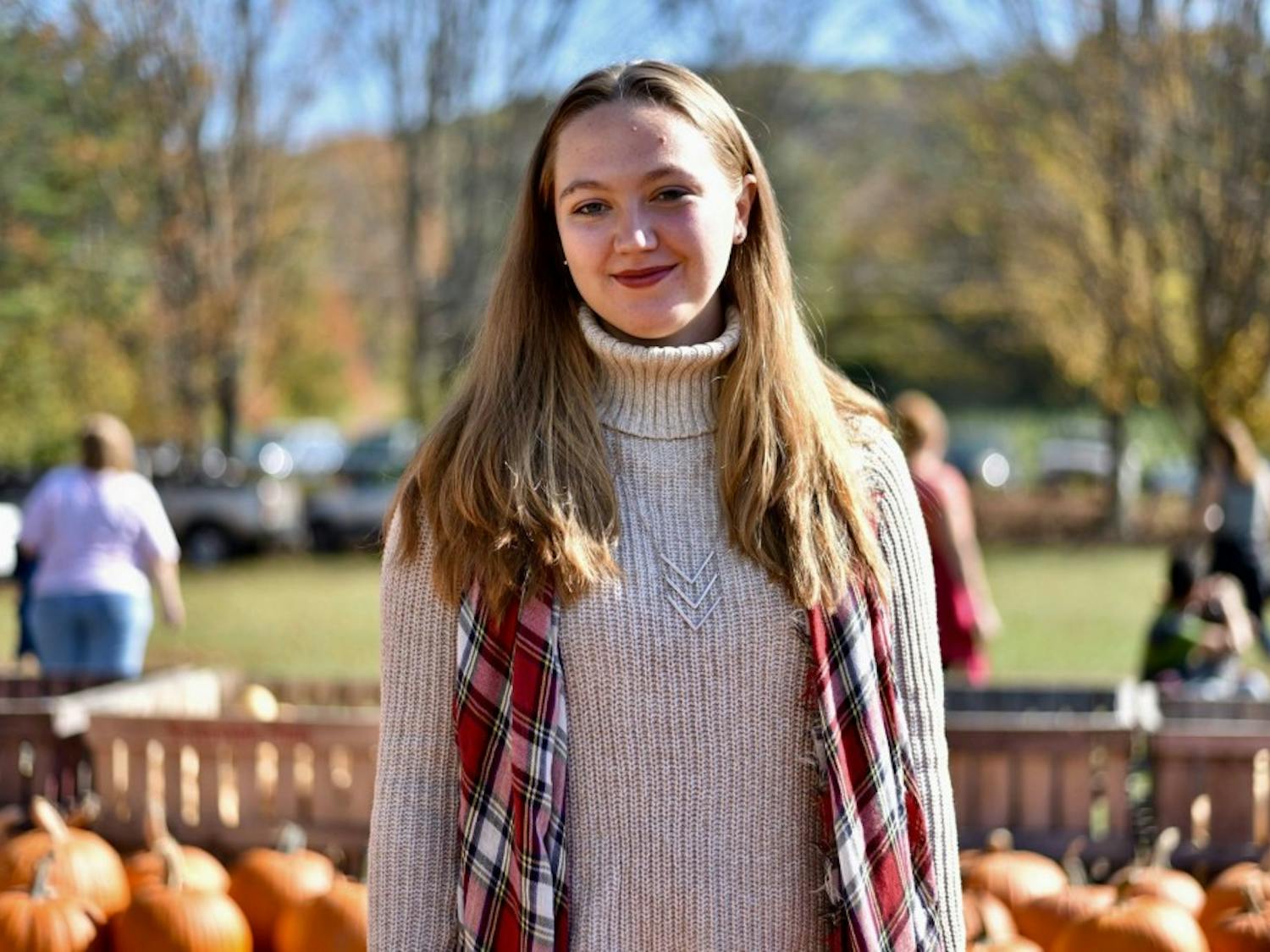
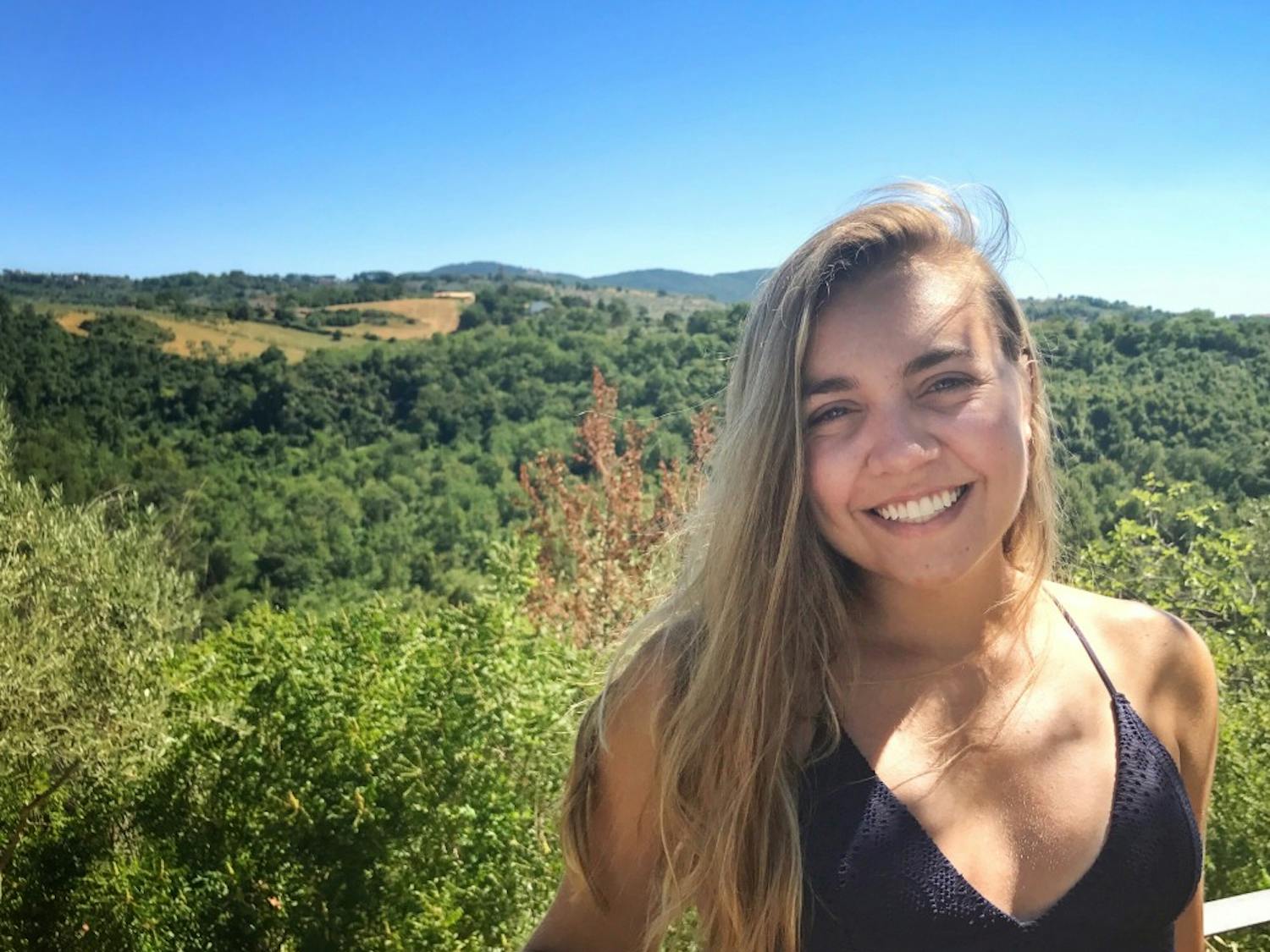
I remember the first time Dartmouth felt like home. I remember the day — Jan. 3, 2015. I remember my outfit — a recently-bought wool sweater littered with pretzel crumbs.
College is weird. Part extended summer camp, part boarding school for semi-grownups, part elitist neoliberal institution, part academia machine, college means different things to different people, but no one really knows what it’s going to be like until they’re there.
A writer for The Dartmouth once joked that staffers only know two things about me: that I’m from Hawaiʻi and that I have consistently arrived late to campus each term.
When I walked away from my parents on Robinson Hall’s lawn for Dartmouth Outing Club First-Year Trips, laden with a heavy backpack leftover from my father’s Eagle Scout days and several items of mild contraband, I knew that I wouldn’t be talking for a while.
President Donald Trump tweeted Thursday morning that he will give a full pardon to conservative author and filmmaker Dinesh D’Souza ‘83 for violating federal finance laws in 2012, when he used straw donors to contribute to a Republican Senatorial campaign in New York. While D’Souza pled guilty to the charges in 2014, he later claimed he had been targeted by the office of then-U.S.
This year, the College will not print the names of all graduates and their honors in the traditional printed program distributed on Commencement Day.
Kristi Clemens will be Dartmouth’s next Title IX coordinator and Clery compliance officer, interim provost David Kotz ’86 announced on May 29.
The last word. When everything is said and done, what is left? You spent four years here. Twelve terms.
Last week, when I learned that Philip Roth had died, I searched my Notes app for the line from “American Pastoral” that I’d copied down last spring: “And since we don’t just forget things because they don’t matter but also forget things because they matter too much ... each of us remembers and forgets in a pattern whose labyrinthine windings are an identification mark no less distinctive than a fingerprint...” I was sitting on the grass outside of the River apartments on one of those first warm days of spring when being anywhere except in the sun felt like a sin, and I remember reading that line and thinking that it put into words something that I’d always known without knowing.
I ask a lot of questions. My friends frequently joke that I “grill” them with all that I’m wondering about.
Ever since I was a child, in response to practically any concern I have, my parents have always given consistent, simple advice: be yourself.
As of Week Nine my senior spring, it has finally hit me that I will soon be leaving this place for good.
Believing in a defined Dartmouth is a flaw on our campus and one almost every student sinks into.
Following last month’s vote by the University Press of New England board of governors to close down the 48-year-old publishing consortium, interim provost David Kotz ’86 and dean of libraries Susanne Mehrerhave called for the assembly of a task force to determine the future of the Dartmouth College Press. According to a statement issued by Kotz and Mehrer, the task force — which held two meetings open to Dartmouth faculty and staff last week — will decide “whether Dartmouth, and its faculty, are best served by operating a press, or by directing funding toward direct support of faculty scholarship.” In an interview with The Dartmouth, Kotz expressed interest in evaluating the merits of retaining the College Press in the wake of the UPNE’s closure.
The Inter-Sorority Council’s rejection of Epsilon Kappa Theta’s shakeout process exacerbates exclusivity in the Greek system.
Future quantitative social science majors will no longer be required to complete a thesis before graduating.
What do federal Native American law, science fiction, a Chilean feminst and a choreopoem have in common?
“A little bit chaotic” is how Hannah Margolis ’20 described her preparation for the 2018 Karen E.
Many of us have forgotten to call, text or otherwise contact those we are close to. Angela Orzell Tu’19 is working to design an application to solve this problem — Nudg, a personal relationship manager. According to Orzell, Nudg manages contacts and reminds users to reach out to those with whom they may be forgetting to keep in touch.