Learning to Feel at Home Away from Home
Hanover is 1,815 miles away from my hometown of Watauga, Texas — a tiny suburb just outside of Fort Worth.

The most conventional definition of “persistence” invokes some sort of struggle or challenge.
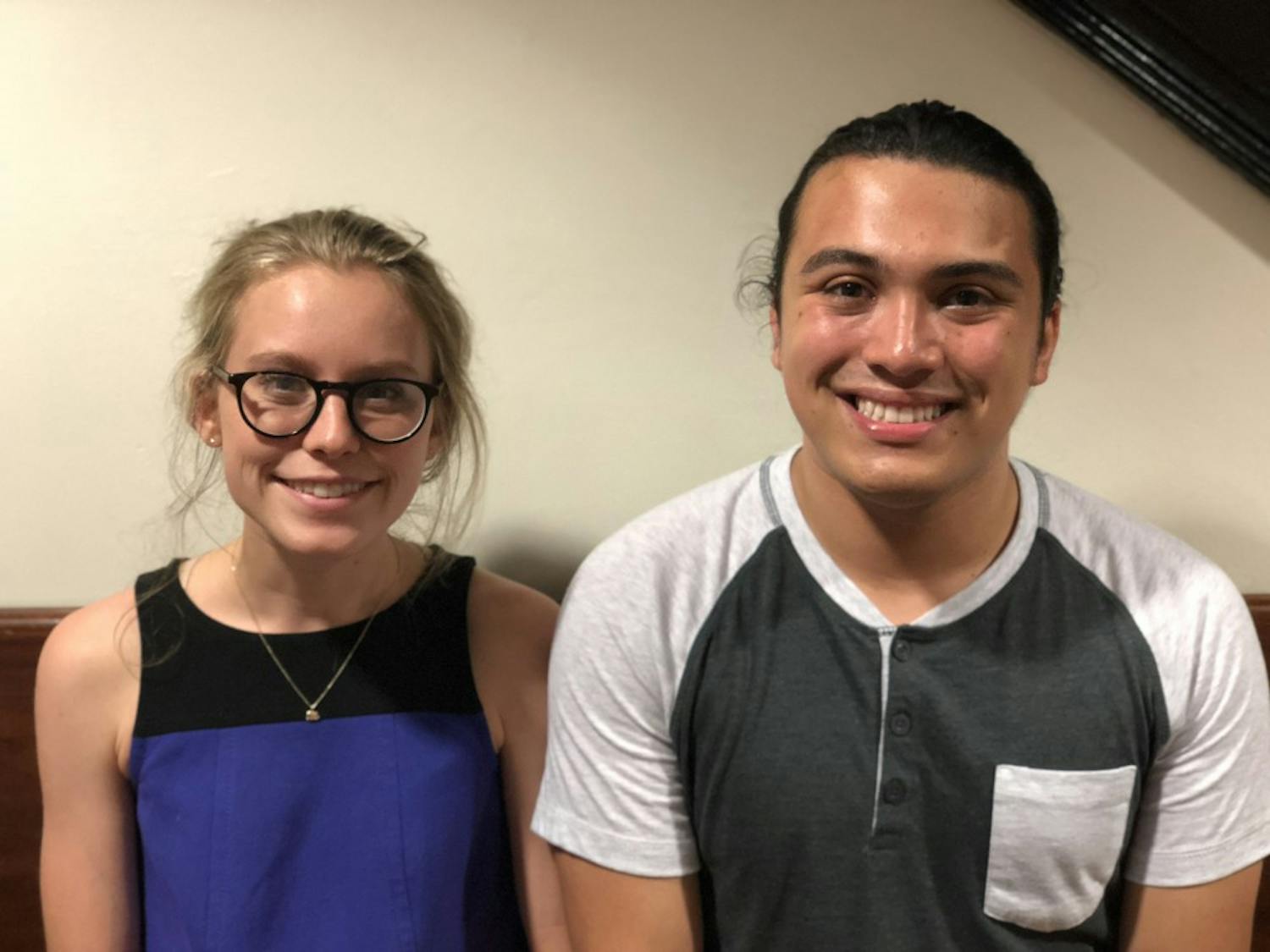
Define “persistence” in four words. Zachary Benjamin ‘19: Keep on trucking on. Cristian Cano ‘20: Remember: just keep swimming! Annika Kouhia ‘20: Refusing even inevitable defeat.
There are people at Dartmouth who apply to 20 or 30 companies over the course of the corporate recruiting process and get rejected from every single one.
Summer school is usually a punishment — an undesirable consequence that should be avoided at all costs.
It was a Sunday afternoon, and my friends and I were driving in the direction of the Moosilauke Ravine Lodge.
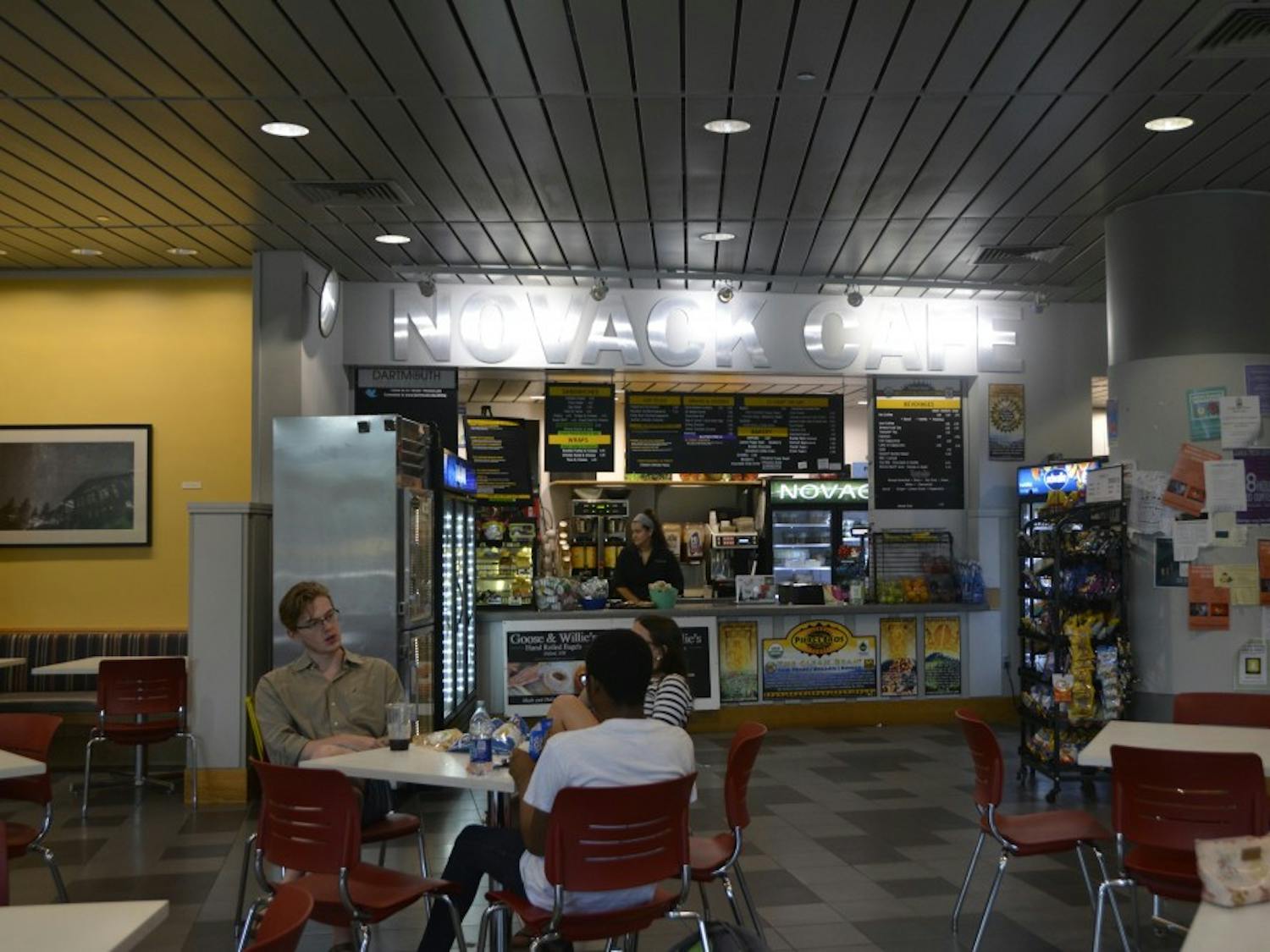
Before I decided to go to Dartmouth, a friend of a friend showed me around. I don’t remember anything from her tour, save the fact that we skipped past Novack Café.
As I look out across Dartmouth’s campus each day, I see hundreds of high school students and their families trailing a tour guide across the Green.
X: two slanted lines. They can represent a destination, a meeting place, a crossing, a refusal. At Dartmouth, we use X to describe sophomore summer, lending the letter added significance.
In the strange bubble of New Hampshire where “flitz,” “S.W.U.G.” and “facetimey” are used in everyday conversation, it is not surprising that the theory of “the X” has cemented itself in Dartmouth culture.
Sophomore summer holds a spell-like fascination in the minds of Dartmouth students. When talking about the upcoming term with my peers, many of them voiced not only excitement, but also trepidation that the summer would end too quickly, and the thing all of us have been looking forward to for so long would suddenly be finished.
As they prepare to graduate from Dartmouth, seniors might feel the need to make a lasting impact on the college where they’ve spent four years of their lives.
When I was looking at colleges, I asked current students a lot of questions. Their responses were plentiful, varied and usually helpful.
During an especially introspective stretch of time, my 15-year-old self jotted down several quotes that fell within the boundaries of what I perceived to be profound.
I remember the first time Dartmouth felt like home. I remember the day — Jan. 3, 2015. I remember my outfit — a recently-bought wool sweater littered with pretzel crumbs.
College is weird. Part extended summer camp, part boarding school for semi-grownups, part elitist neoliberal institution, part academia machine, college means different things to different people, but no one really knows what it’s going to be like until they’re there.
A writer for The Dartmouth once joked that staffers only know two things about me: that I’m from Hawaiʻi and that I have consistently arrived late to campus each term.
When I walked away from my parents on Robinson Hall’s lawn for Dartmouth Outing Club First-Year Trips, laden with a heavy backpack leftover from my father’s Eagle Scout days and several items of mild contraband, I knew that I wouldn’t be talking for a while.
The last word. When everything is said and done, what is left? You spent four years here. Twelve terms.