News
June 25, 2009
ZACH INGBRETSEN / The Dartmouth Staff
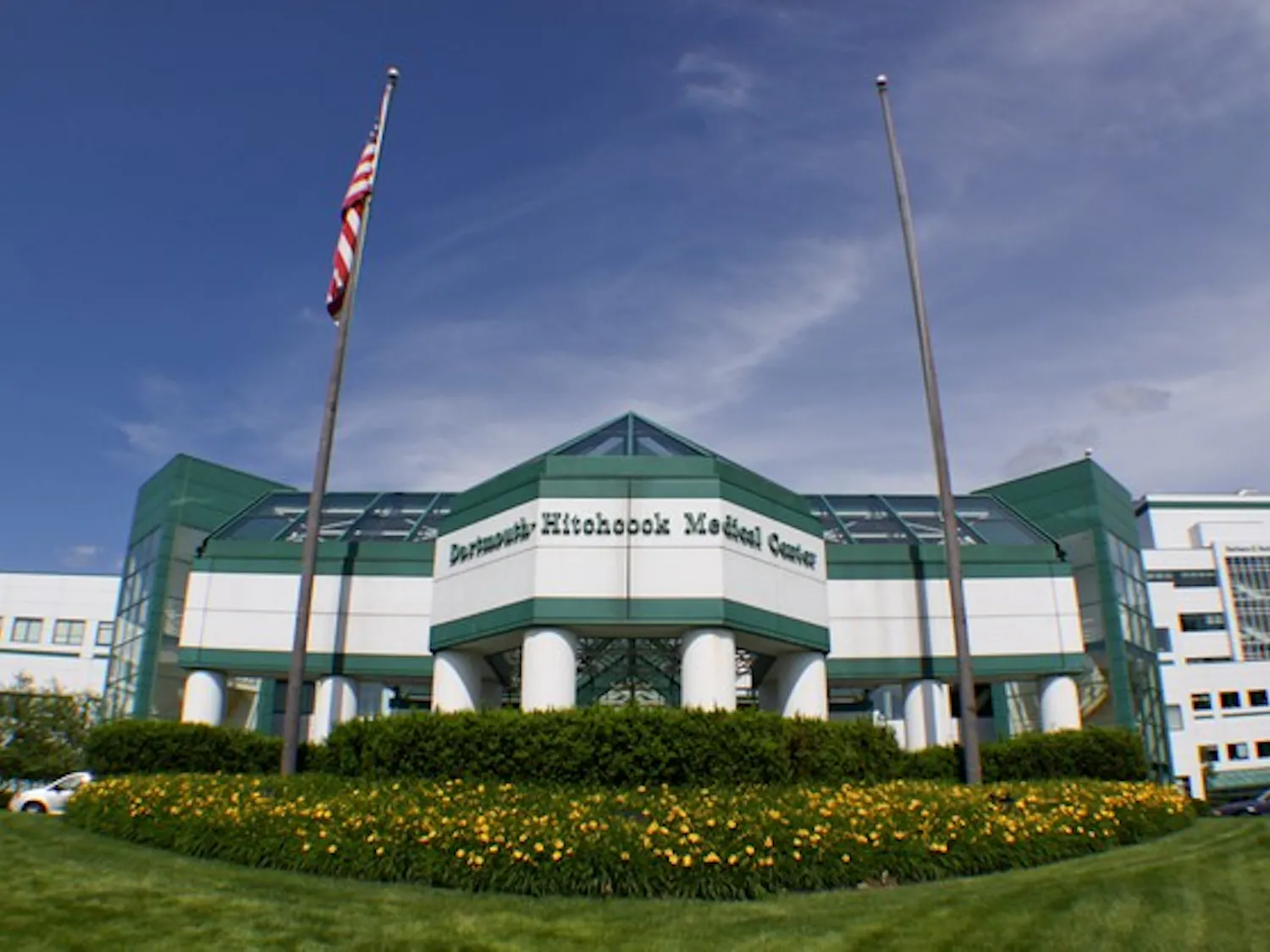
The Mary Hitchcock Memorial Hospital and the Dartmouth-Hitchcock Clinic will form a collaborative health care system, known as "Dartmouth Hitchcock Health," to help health care providers share resources, improve the efficiency of patient care in New Hampshire and Vermont and increase access to the academic medical center, according to DHMC's Media Relations Manager Jason Aldous.
The hospital and the clinic are both part of the Dartmouth-Hitchcock Medical Center.
The new system will increase the availability of specialized care in the region and will increase efficiency among local health care providers, by increasing communication and availability of specialists to participating centers and the sharing of information, and shortening redundancies in services, Aldous said.
"Individuals who see health care providers participating in Dartmouth-Hitchcock Health won't see their basic experience of going to their regular doctor change, but they should have an increased access to the assets of an academic medical center," Aldous said.
Under the new system, hospitals will be able to share personnel and equipment and patients will have increased access to clinical trials, he said.