
The classes will be taught by Grace Nyamongo, a visiting lecturer from York University in Canada, who will be at Dartmouth for the 2009 Spring, Summer and Fall terms. Wallace said. Visiting professors have taught Introduction to Swahili in the past, but this will be the first time a more advanced course has been offered.
There has been a "huge interest" among students in the program, Wallace said. There were 21 students enrolled in Introduction to Swahili and three students had signed up for Swahili II for the Spring term as of Feb. 26. The Dickey Center expects to attract more students through continued advertisement of the program and by reaching out to previous Swahili students, Wallace said.
Swahili is spoken in much of East Africa and is one of the few African language regularly taught at Dartmouth. Wallace said she hopes the College will continue to offer Swahili after Nyamongo leaves, but that such a program will depend on the availability of a instructor and funding.
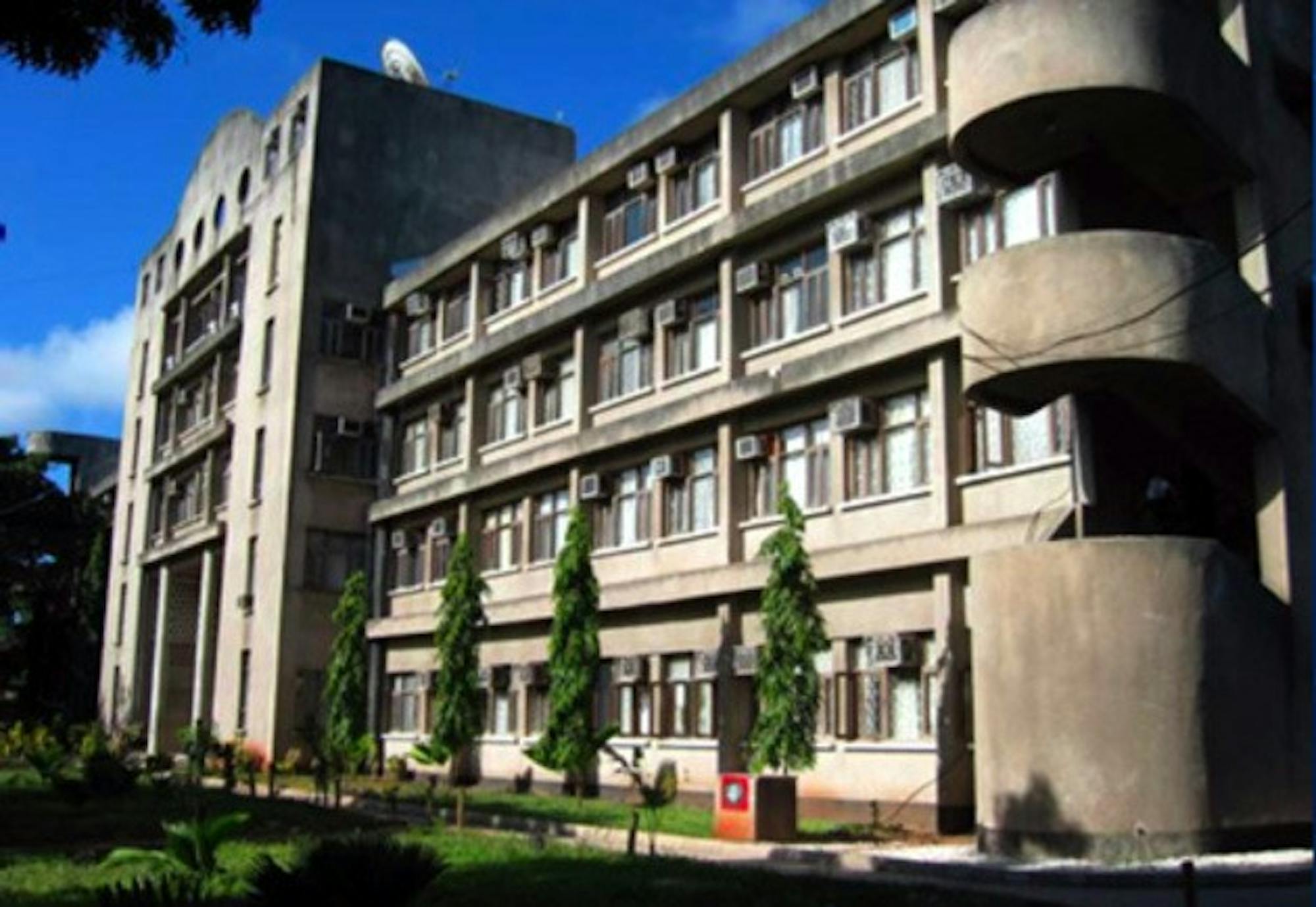
Many students take Swahili before participating in community service trips to Tanzania, Dickey Center associate director Chris Wohlforth said. The Dickey Center has a partnership with Muhimbili University of Health and Allied Sciences in Dar es Salaam, Tanzania and sends interns to the DARDAR Pediatric clinic and the Bibi Jann School, which serves children whose parents have died of AIDS.
"Swahili is a spoken language, so it facilitates communication," Wohlforth said. "Oftentimes, patients are scared; being able to address them in their language makes them less afraid."
Students may work with the instructor to try to create a Swahili III class in the fall, Wohlforth said, if there is enough student interest and the instructor is willing.
"We're trying to build the program progressively," she said. "Students should be allowed to go on and expand their knowledge of the language."
Christabell Makokha '11, a native Swahili speaker who will serve as the drill instructor for the Swahili classes this spring, said she has also seen a lot of interest in the program. The interested students include those who are planning to perform community service in Africa, as well as first- and second-generation African-Americans looking to learn more about African language and culture, she said.
"Also with [Barack] Obama being president, I think there's a lot more curiosity about African countries," she said.
Makokha said she hopes the program will continue to develop.
"Obviously, there's interest, so if they could expand the program so that it's offered for more terms, it would serve to enlighten the African presence on campus," she said.
Sharon Muhwezi '11 said she is planning to take Swahili II this spring. Swahili is not widely spoken in her native Uganda, but Muhwezi said she was still interested in learning the language because it is spoken in many other parts of eastern Africa. She had a few opportunities to use the Swahili she learned in Introduction to Swahili last spring when she returned to Uganda over the summer.
"Once in a while, there will be someone from Kenya or from the Congo speaking Swahili [in Uganda]," she said.
Muhwezi said she particularly appreciated learning about Swahili culture in the introductory class last spring.
Swahili has a special significance for the Dartmouth community because it contains words and influences from many other languages, Makokha said.
"It's a merger of different cultures into one thing, which I think is what Dartmouth is -- different people coming together," she said. "It's a merger of different cultures to produce a language everyone can use."
Nyamongo could not be reached for comment by press time.


