News
The upcoming decade will determine nuclear energy's viability as an alternative energy source in order to combat greenhouse gas emissions and halt the process of global warming, according to three speakers at the Thayer School of Engineering's second annual Great Issues in Energy Symposium on Friday.
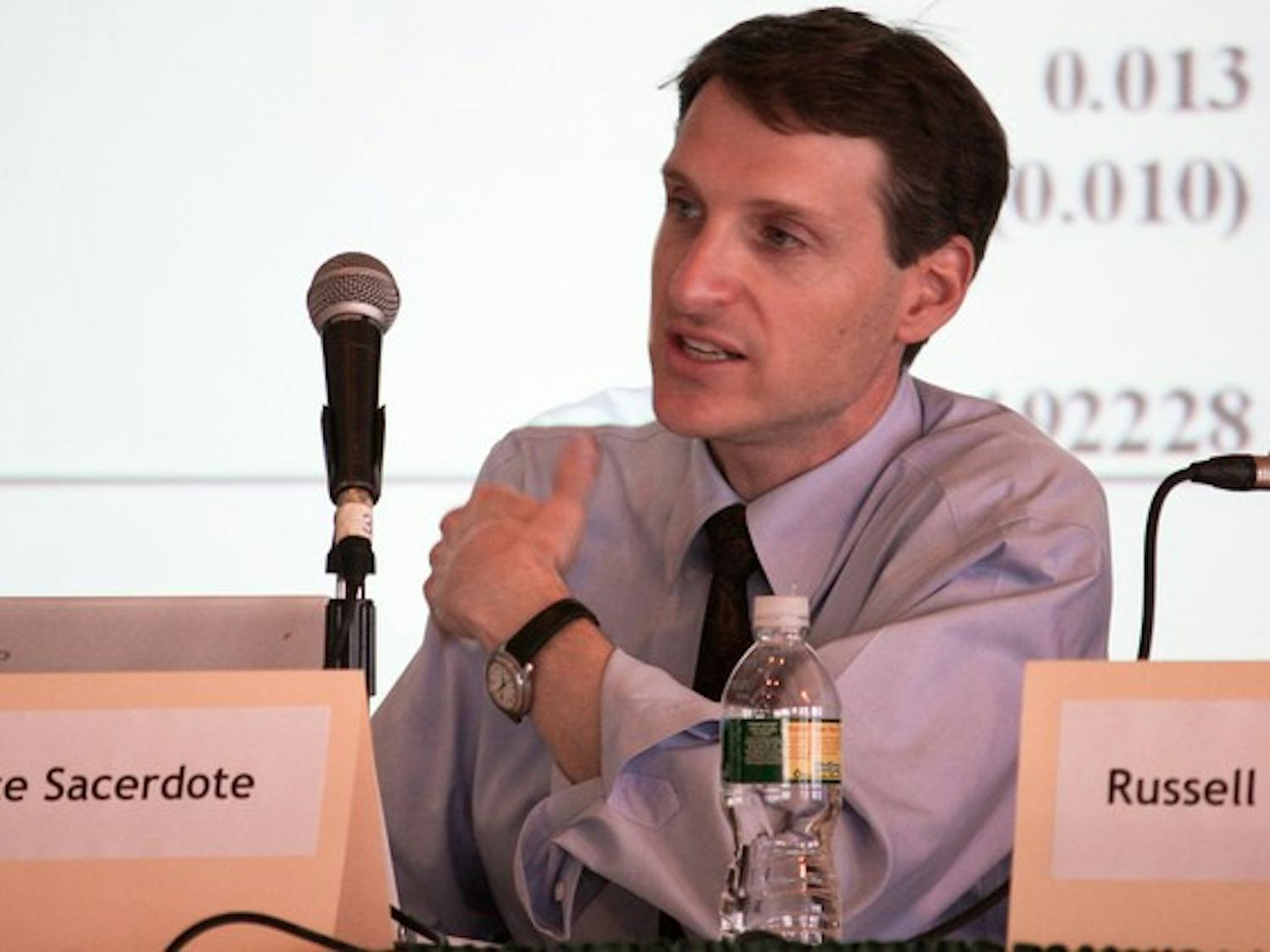
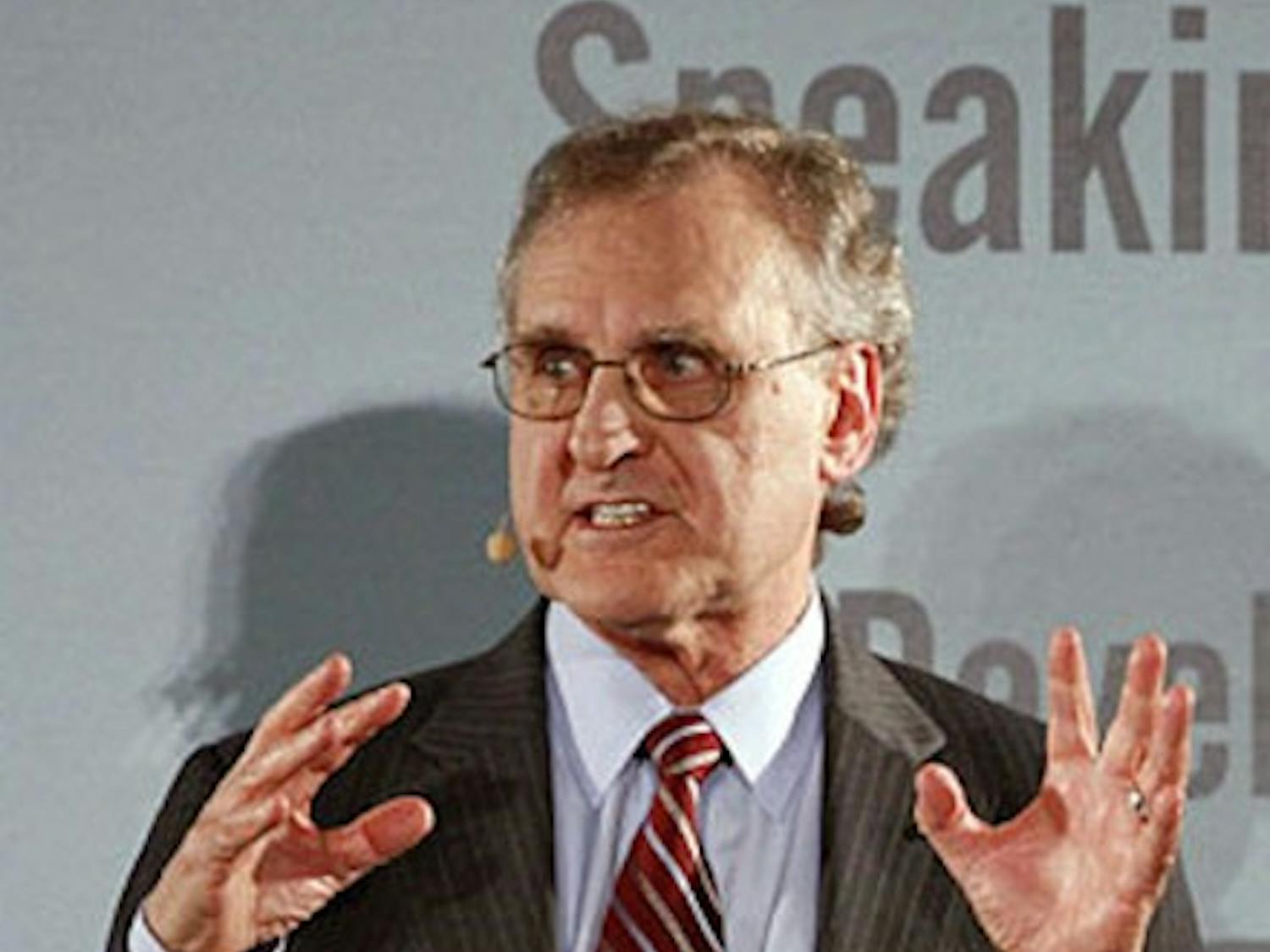
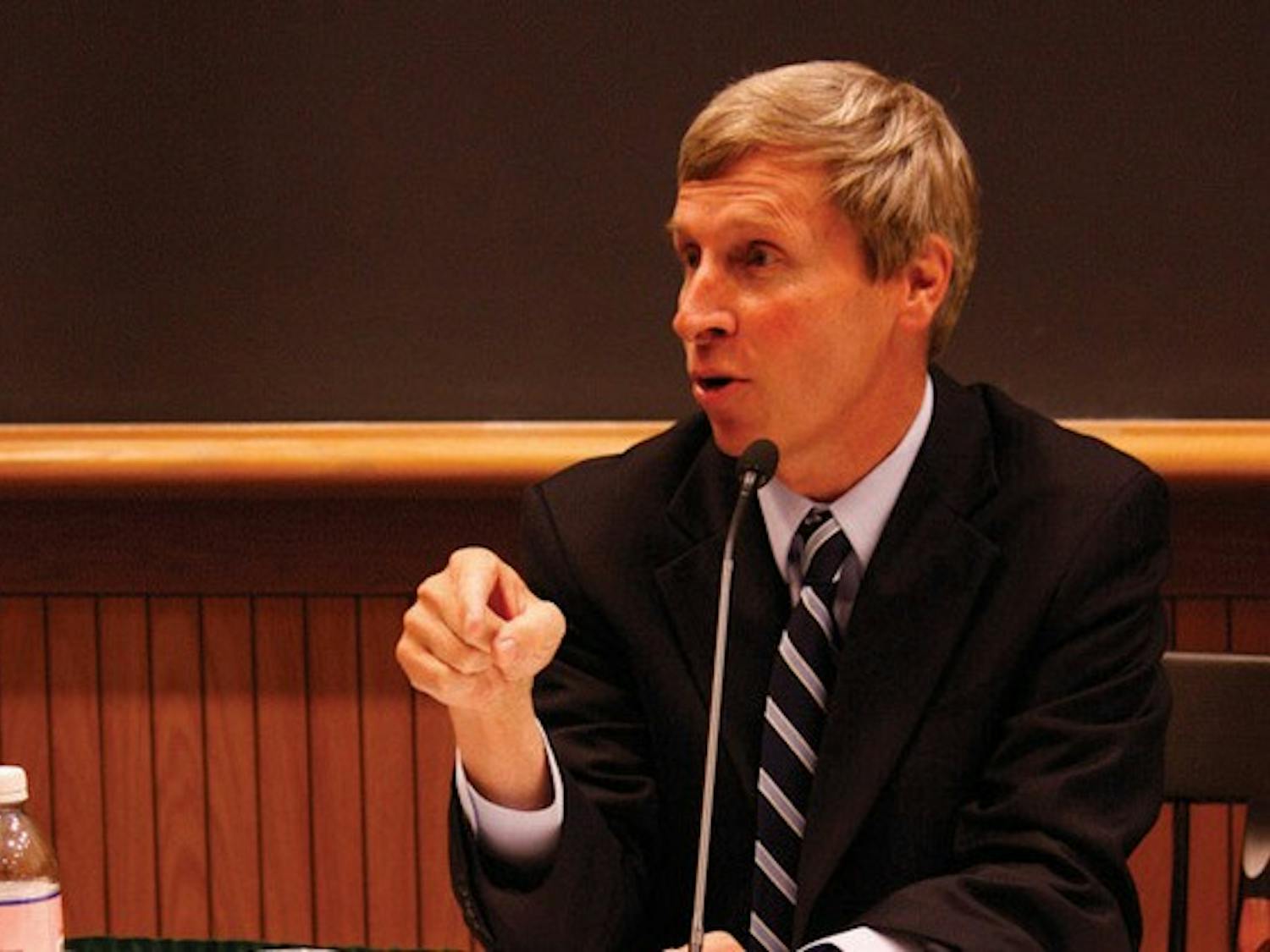
The symposium featured Massachusetts Institute of Technology professor Ernest Moniz, who also serves as director of MIT's Energy Initiative and the Laboratory for Energy and the Environment; Joseph Romm, a senior fellow at the Center for American Progress; and Alexander Glaser, professor at the Woodrow Wilson School of Public and International Affairs and lecturer at the department of mechanical and aerospace engineering at Princeton University.
In his presentation, Moniz said that countries across the world will likely build new nuclear power plants over the next several years in order to determine the most efficient management system for the plants and whether public subsidization of nuclear energy is a viable long-term option.
Political obstacles, rather than the scarcity of uranium, have prevented the expansion of nuclear power as an energy source in the past and will continue to do so, according to Moniz.
All three speakers agreed that concerns about global climate change will drive the proliferation of nuclear energy use.
Nuclear energy is a possible way to curb climate change because of its low greenhouse gas emissions, Glaser said.
The panelists also discussed the drawbacks of nuclear power, including the environmental degradation resulting from uranium mining, as well as safety hazards, high economic costs and waste disposal, making the use of this energy alternative a contentious issue.
"Nobody in their right mind would build nuclear power plants, especially here in the United States, if there was not a concern about global warming," Romm said.