Ivy League On The Market Place
Choosing to attend a private college comes at a price, a price many choose to pay in the hopes of obtaining a higher return.
If you had to put a price on your brain, how much would it be? Jake Maguire: I honestly don’t know — I don’t necessarily consider myself to be priceless or anything like that, but I am a first-year student at Dartmouth and the sticker price for my education here is about $70,000 per year, so that’s a good place to start. Eliza Jane Schaeffer: The collective value of a group of brains, one from each Dartmouth fraternity. Zach Gorman: About $3.50. Timothy Yang: Priceless — it’s not for sale! Zachary Benjamin: At least 50 cents — I don’t want to sell myself short. What are you passionate about? JM: I am passionate about improving opportunities for other people, and I also love reading, writing, hanging out with friends, traveling and being outside. EJS: Words.
Imagine this. It’s finals week, and the amount of material to be learned far surpasses the amount of time before the exam.
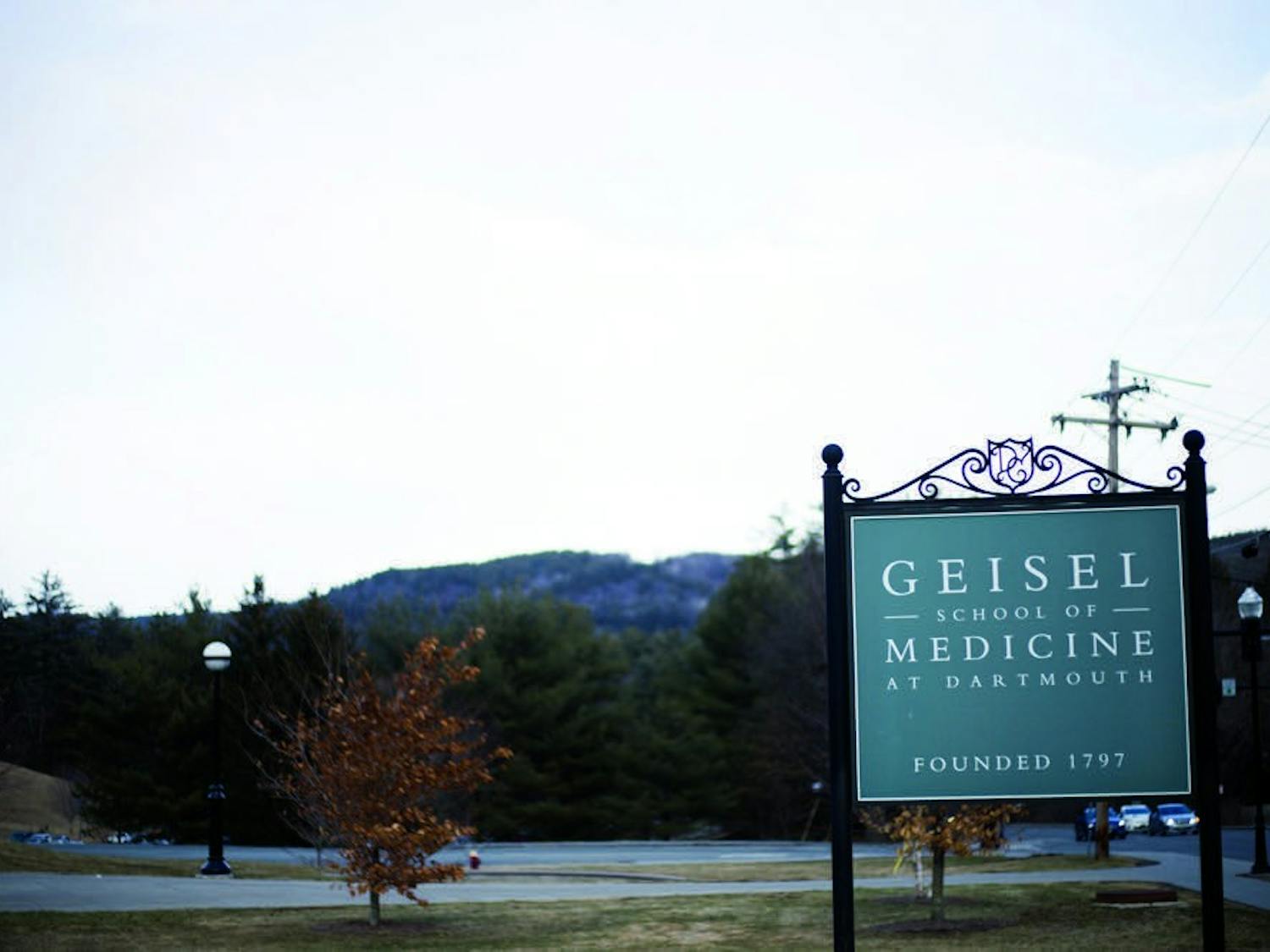
Preparing for and applying to medical school is a challenging process. This is certainly true at Dartmouth College, where students must complete each of their pre-health requirements during 10-week academic terms. For Nicole Knape ’19, a native of Raleigh, North Carolina who recently finished her coursework for medical school, completing pre-health requirements has been a time-consuming and challenging task.
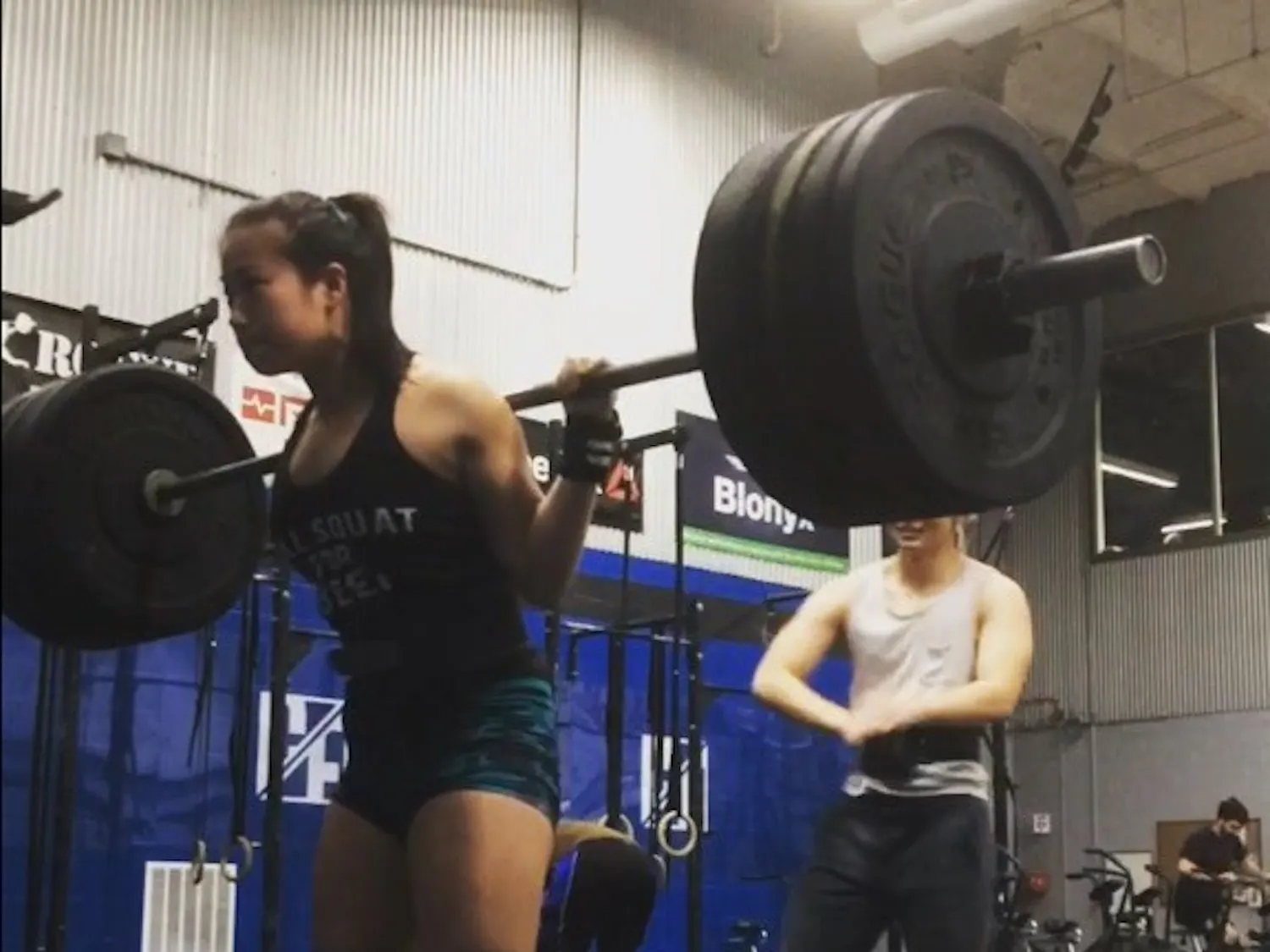
Imagine what a powerlifter looks like and it is probably someone muscular. Someone whose extraordinary strength shows with every lift, the weights much heavier than the average person could manage. For many, the stereotypical powerlifter is a man.
At a college in the middle of New Hampshire’s scenic mountains and verdant forests, students have the freedom to spend as much time as possible in the surrounding environment.
Though survival at Dartmouth takes no clear-cut path, certain “tools” are universal, even if they manifest themselves differently for each of us.
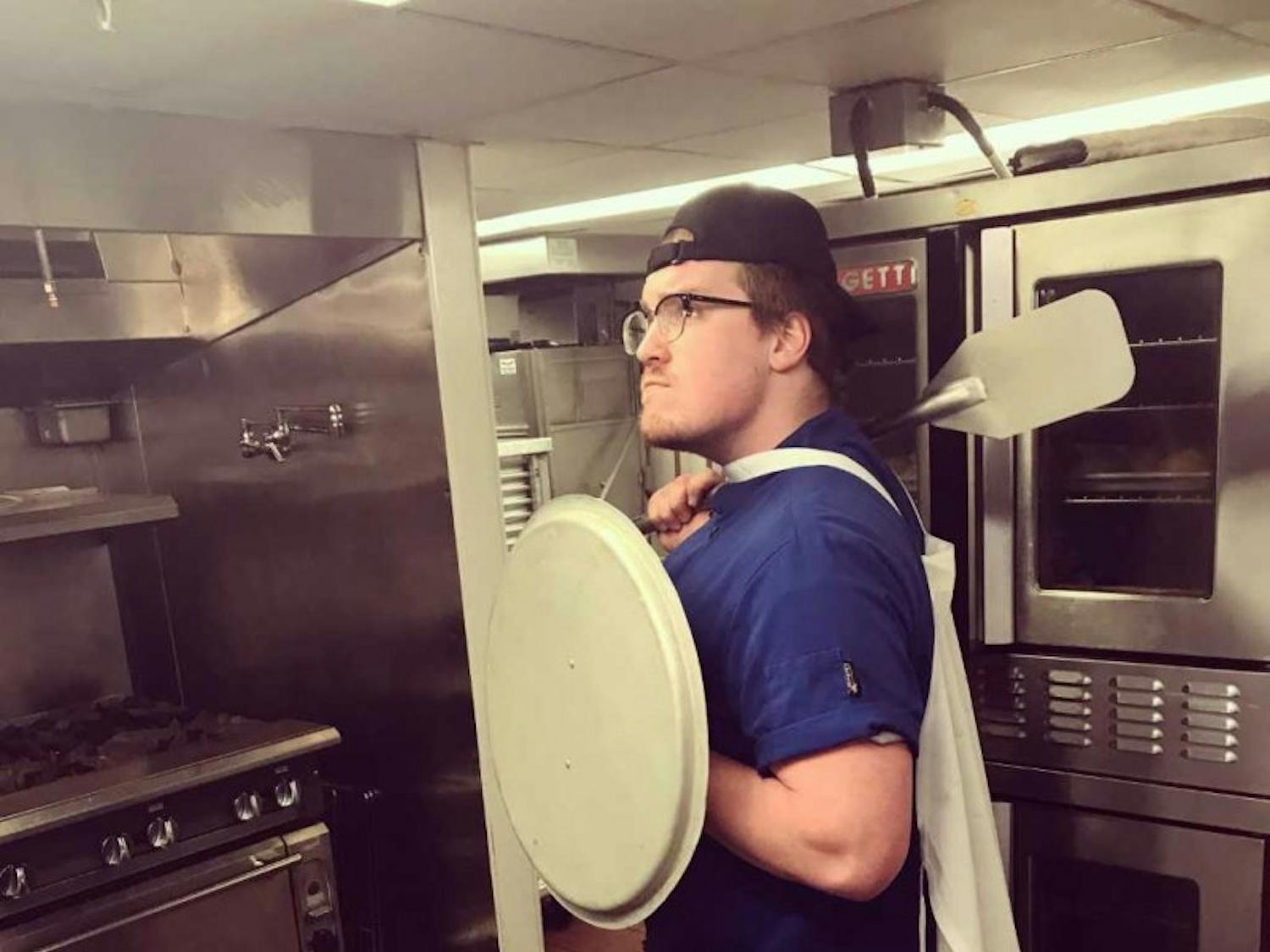
Falcon Wright is one of the Dartmouth Dining Services workers at Collis Café. He was in the stir-fry line before the winter term but has since been moved to Collis Late Night.
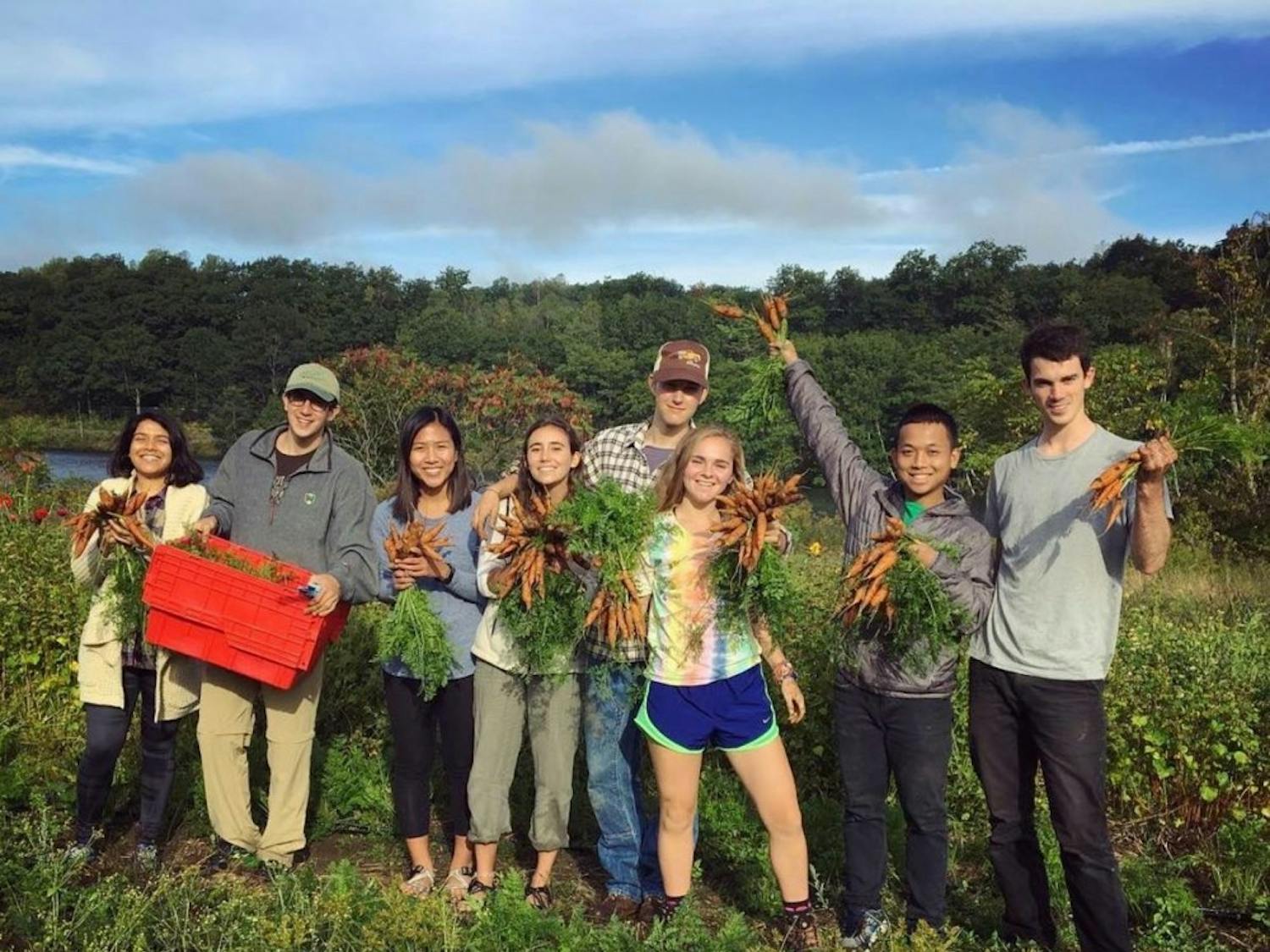
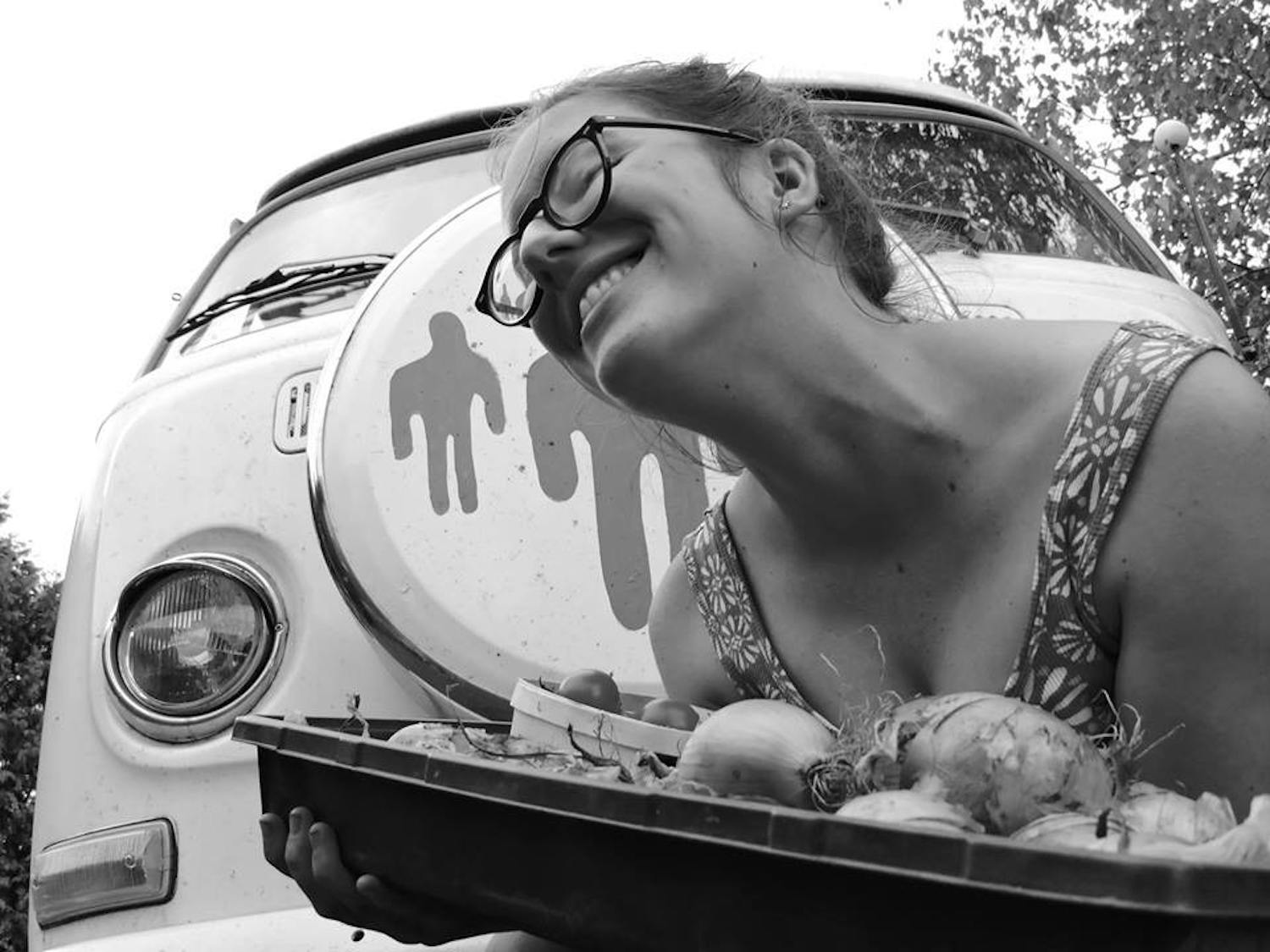
Approximately three miles north of campus, a little deeper into the peaceful hills of the Upper Valley lies a farm “for the students” that offers an escape from the stress and demands that otherwise define the Dartmouth experience. This is the phrase and idea with which I came into contact multiple times during my conversations with some members of the Dartmouth Organic Farm. “It’s only three miles away, and you can go whenever you want,” Annika Bowman ’21 explained.
Idioms are enigmatic ways of describing the chaos that is the world around us. Something in their endurance makes them comforting.
At Dartmouth, where the four most popular majors are economics, government, computer science and engineering, some undergraduates overlook the academic discipline of studio art.
I don’t remember when I first read Laura Ingalls Wilder’s Little House series. I can picture the nine-volume paperback box set, each cover a different pastel gingham, sitting on the lower left of the downstairs bookcases as if it has always been there.
Dartmouth, as a liberal arts institution, not only encourages but also requires students to take a variety of courses in many different subjects.
Menstrual stigmas are rooted not in what is said but in what goes unsaid. We encounter them in the silence between words, in the euphemisms that have spilled into our social script to claim a language of their own, reflexive but prosaic.
Professor Jane Carroll is a senior lecturer in the art history department and a member of the steering committee of the Medieval and Renaissance studies department.
What’s your favorite alternative band? Christopher Cartwright ’21: Passion Pit. Annie Farrell ’21: The Strokes. Jacob Maguire ’21: Banners!
In a 2016 announcement about the “Liberal Arts Imperative,” College President Phil Hanlon said that Dartmouth “serves as a laboratory for intellectual innovation.” Each course at Dartmouth fulfills this mission differently.
It’s the last Mirror issue of the term, and we decided to do something different. Something unconventional.
At Dartmouth, students often face a significant amount of pressure to leave this place with a finished product.