News
Ben Gonin / The Dartmouth
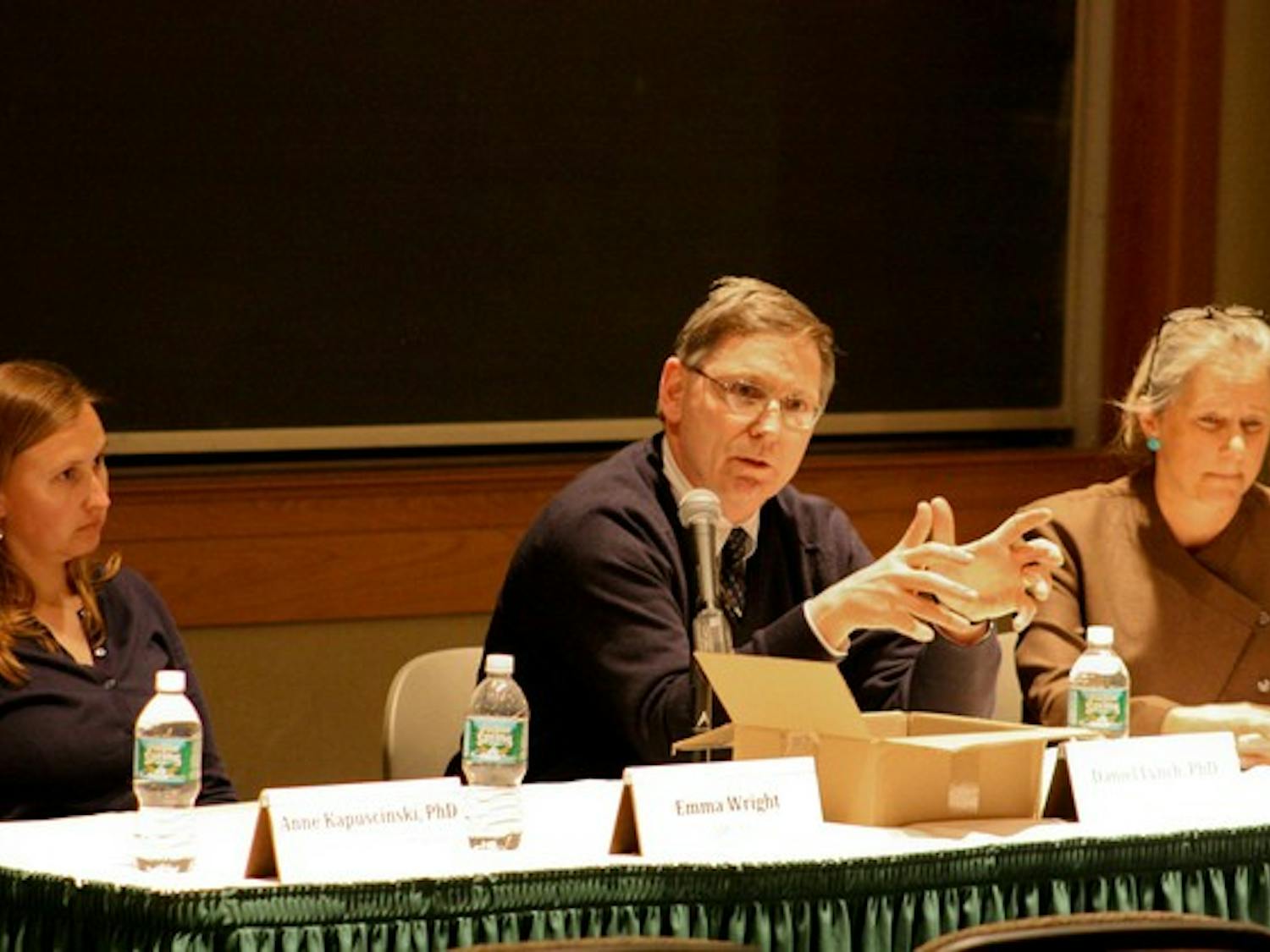
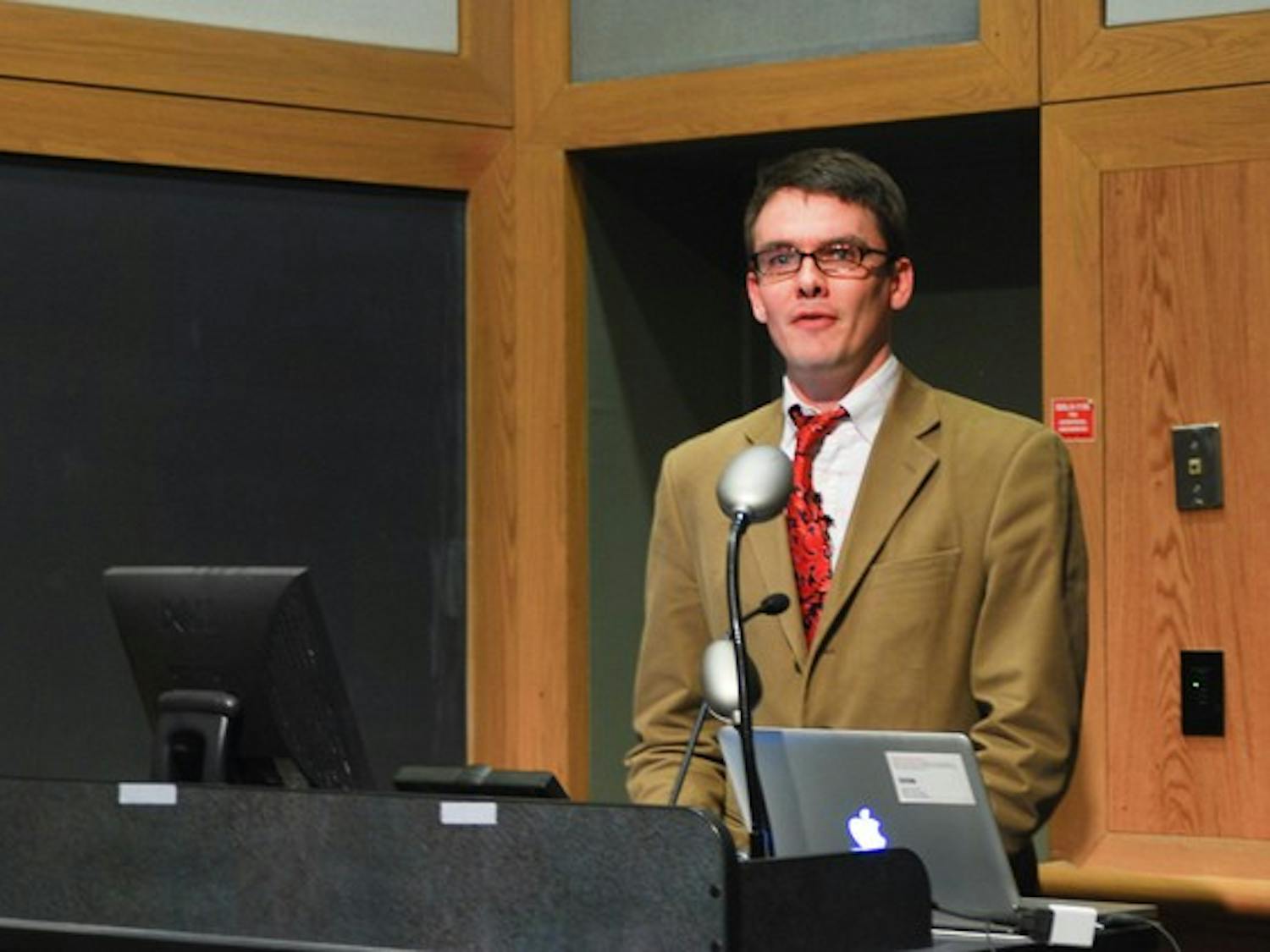
Social media technology has had a mixed influence on the effectiveness of political protest, according to members of the Tuesday panel "Activism in the Electronic Age: The Impact of Technology on Political Protest." The three panelists focused on the debate over the way blogs and other networking technologies are used by political dissenters, as well as the governments that attempt to thwart their protests.
Bruce Etling, director of the Internet and Democracy Project at the Berkman Center for Internet and Society at Harvard University; Elham Gheytanchi, a sociology professor at Santa Monica College; and Evgeny Morozov, a fellow at Georgetown University, presented information about the impact that social media has in the context of protest movements.
The Internet and Democracy Project began by observing anecdotal evidence of technological influence on protests and later shifted its focus to a more analytical examination of the blogosphere, Etling said.
"I want to introduce this concept of Newton's Third Law of the Internet,' that for every action there is an equal amount of reaction," Etling said.
While blogs may represent members of a population pushing for change, research shows that more conservative groups also have an online presence, Etling said.
Authoritarian countries are generally less successful when filtering information than the international community generally believes, he said.