Skip to Content, Navigation, or Footer.
Support independent student journalism. Support independent student journalism. Support independent student journalism.
The Dartmouth
December 22, 2025 | Latest Issue
The Dartmouth
Multimedia
Opinion

Debating non-Western art at The Hood

|

To the Editor: The Dartmouth's review of the Hood's current exhibition, "Our Land: Contemporary Art from the Arctic," reflects an embarrassing lack of knowledge of non-Western art historical scholarship ("New Hood exhibits emphasize anthropology over aesthetics," April 2). Before criticizing the Hood's current exhibition by writing that the show "seems more artifact than art," the review should have considered the possibility that the exhibit is intentionally challenging the rigid distinction between "art" and "artifact." The work of scholars like Susan Vogel has explored why artistic objects produced by non-Western cultures are often viewed as "just" artifacts, as if they are inferior to art simply because they are functional.


Opinion

The Rights of (Fresh)Men

|

After just recently acquiring the ability to read and write, I was finally able to comprehend David Glovsky's op-ed in Monday's paper ("Columnists With Nothing to Say," April 2). His point, which he concisely stated here but nonetheless took 700 words to clarify, was this: "I am sick of opinion columns and columnists with nothing to say and plenty of space given to them to say it," to which he amended, "After all, freshmen with just three weeks on the mean streets of Hanover know barely enough about the College to find their classes." I object to this crass and undeniably pompous accusation!


News

Pilobolus founders elucidate origins

|

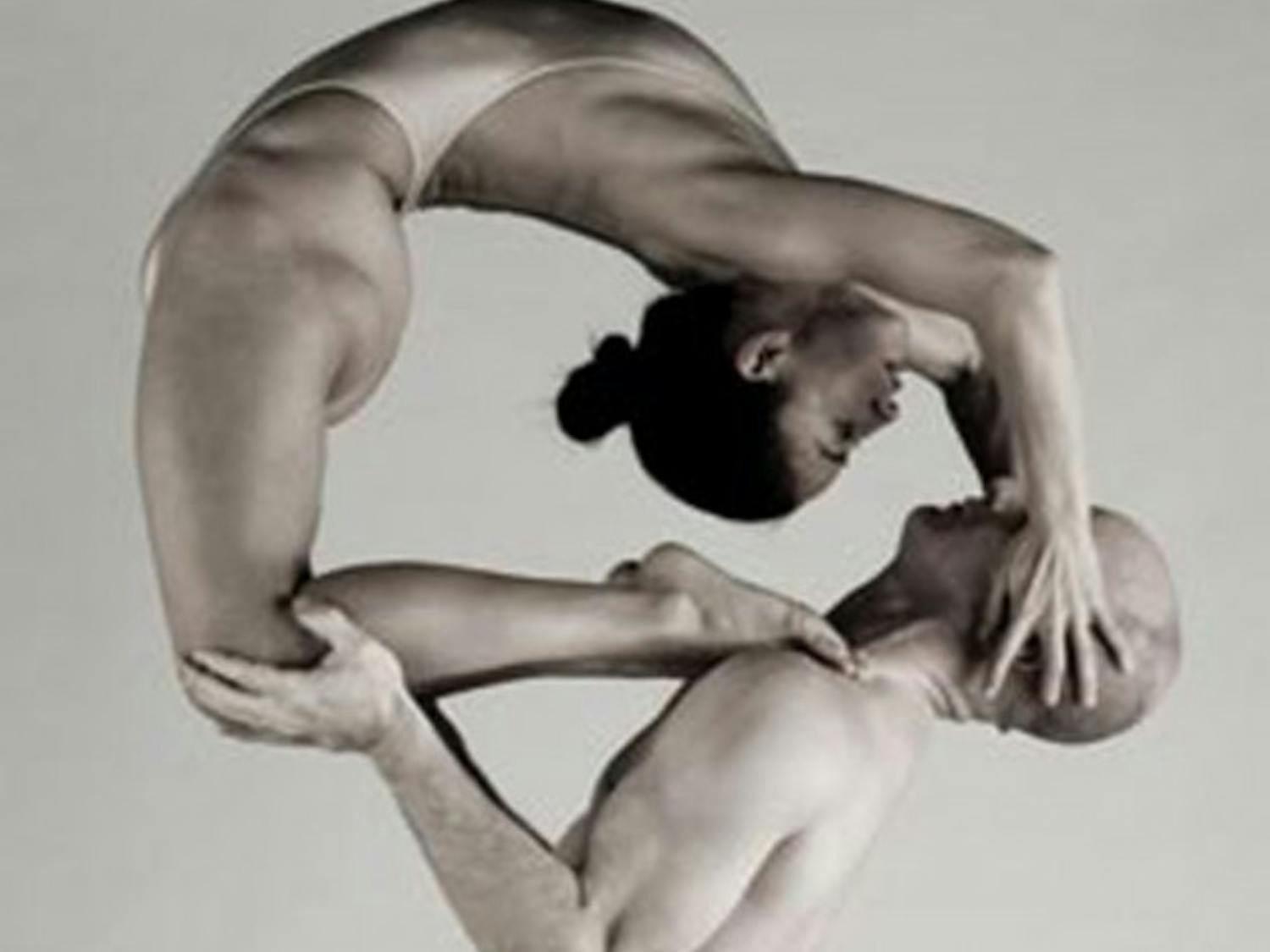
On his first visit to campus, Itamar Kubovy, executive director for Pilobolus Dance Theater, acknowledged the unique Dartmouth character that is integral to the group's dynamic.Kubovy spoke of the "intellectual atmosphere" of the Pilobolus office, the conversations and debates that occur regularly, the group's appreciation for snow and their shared love of the outdoors and creative freedom. "Then I came up here and realized, Wow, this is where it came from," he said. The creative foundation for Pilobolus, which sprung from Dartmouth culture in the late 1960s and early 1970s, was a focal point of discussion at the Montgomery Fellow Lecture panel, which featured the group's three artistic directors: Robby Barnett '72, Jonathan Wolken '71 and Michael Tracy '73. "There was this feeling that simply being in school here ... you could guide your intelligence in the direction you wanted it to go," Barnett said.


Opinion

Alcohol policy reveals out-of-touch administration

|

To the Editor: In Acting Dean of the College Dan Nelson's op-ed ("Dartmouth's Enforcement of Alcohol Laws," April 3), he claims that "the health, safety and well-being of Dartmouth students is always uppermost in our concerns." While I do not doubt that his intentions are noble, the current alcohol policy highlights the gulf between the administration and student life.


News

Ivy to Ivy, course reqs vary considerably

|

Dartmouth and other Ivy League schools have a long tradition of using general education requirements to ground students in the liberal arts tradition. Recent decisions by the University of Pennsylvania and Harvard University to institute major revisions of their general education requirements put in perspective the process by which Dartmouth evaluates its own set of distribution requirements. The College aims to provide students with a well rounded educational experience that exposes them to many different methods of social analysis through a set of broad requirements, according to Associate Dean Lindsay Whaley, former chairman of the Committee on Instruction. The College institutes major changes in the requirements when it believes that there might be a better way to fulfill these goals, Whaley said. "You want to make sure that you are giving your student body guidance in terms of course selections that maximize the benefits of a liberal arts education," Whaley said. The current set of requirements, first effective for the class of 1998, were instituted in 1994. Significant changes usually occur only after a formal review generally initiated by the dean of the faculty or the president of the College. There have been two such reviews of the current system, Whaley said. Dartmouth might also reexamine its requirements when another institution pioneers a new system, Whaley said. "Anytime schools that we recognize as competent try innovative approaches to education, we want to see why are they doing it, and how is that working, and is there something that we could learn from their efforts," Whaley said. Minor modifications are made to the requirements every few years based on proposals submitted to the Committee on Instruction, according to Robert Drysdale, the committee's current chairman. These proposals originate from various sources, including Student Assembly, professors, or members of the committee itself.


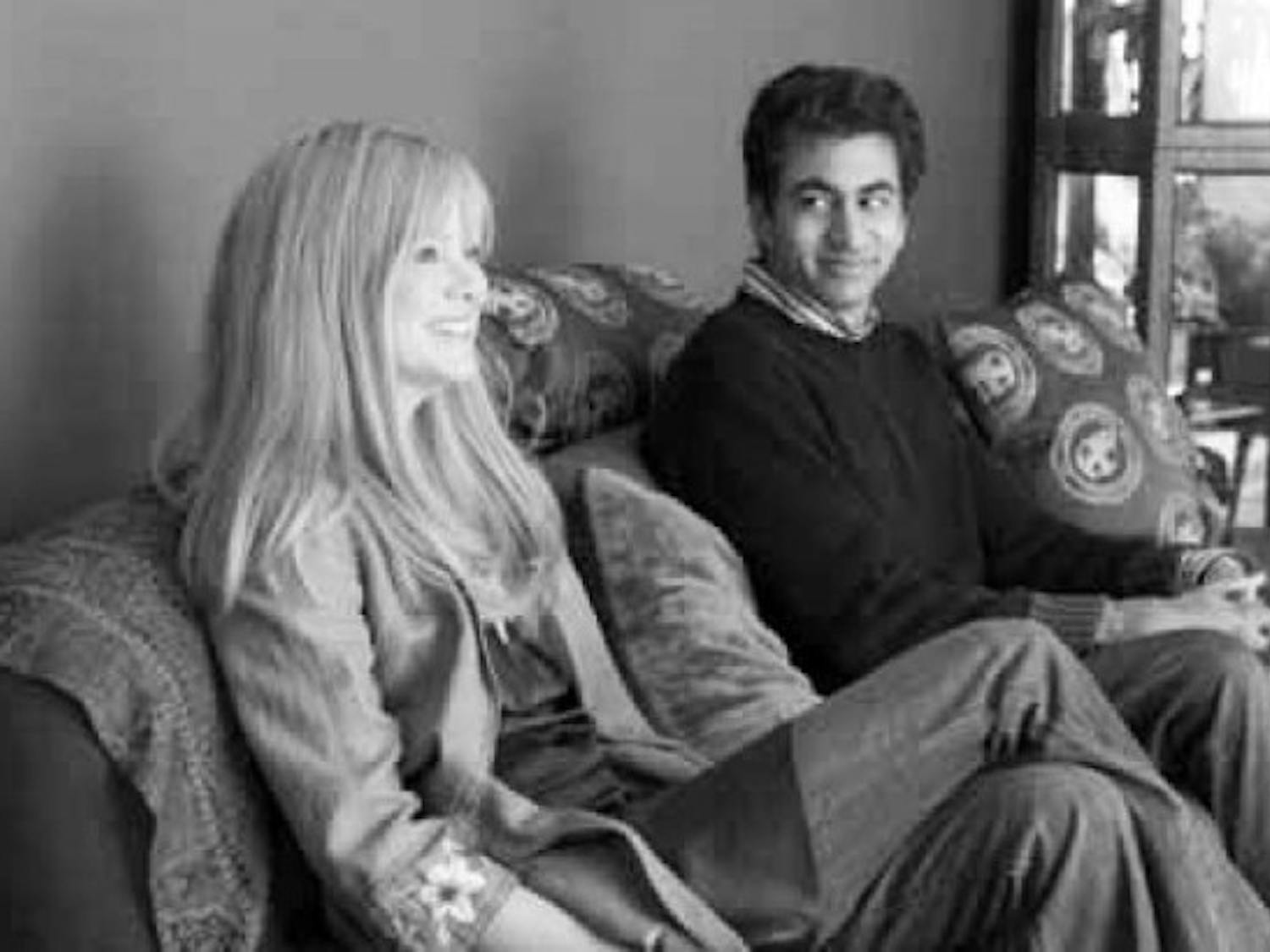
Jacinda Barrett and Kal Penn star in
Arts

DFS bends laws of time and space with new film series

|

Photo Courtesy of Rotten Tomatoes In movies, time can take on a flexibility that just isn't possible in the real world (if you just forget about the little time trip we all took a few weeks ago called daylight savings). Through editing and simple dramatic license, moviemakers can do whatever they want with temporal construction.