Reflecting on the Freshman Frat Ban
We are often attracted to uncanny situations. Stories with ghosts, the reanimated dead and unexplainable mysteries have become a vital part of our popular culture during this time of the year.
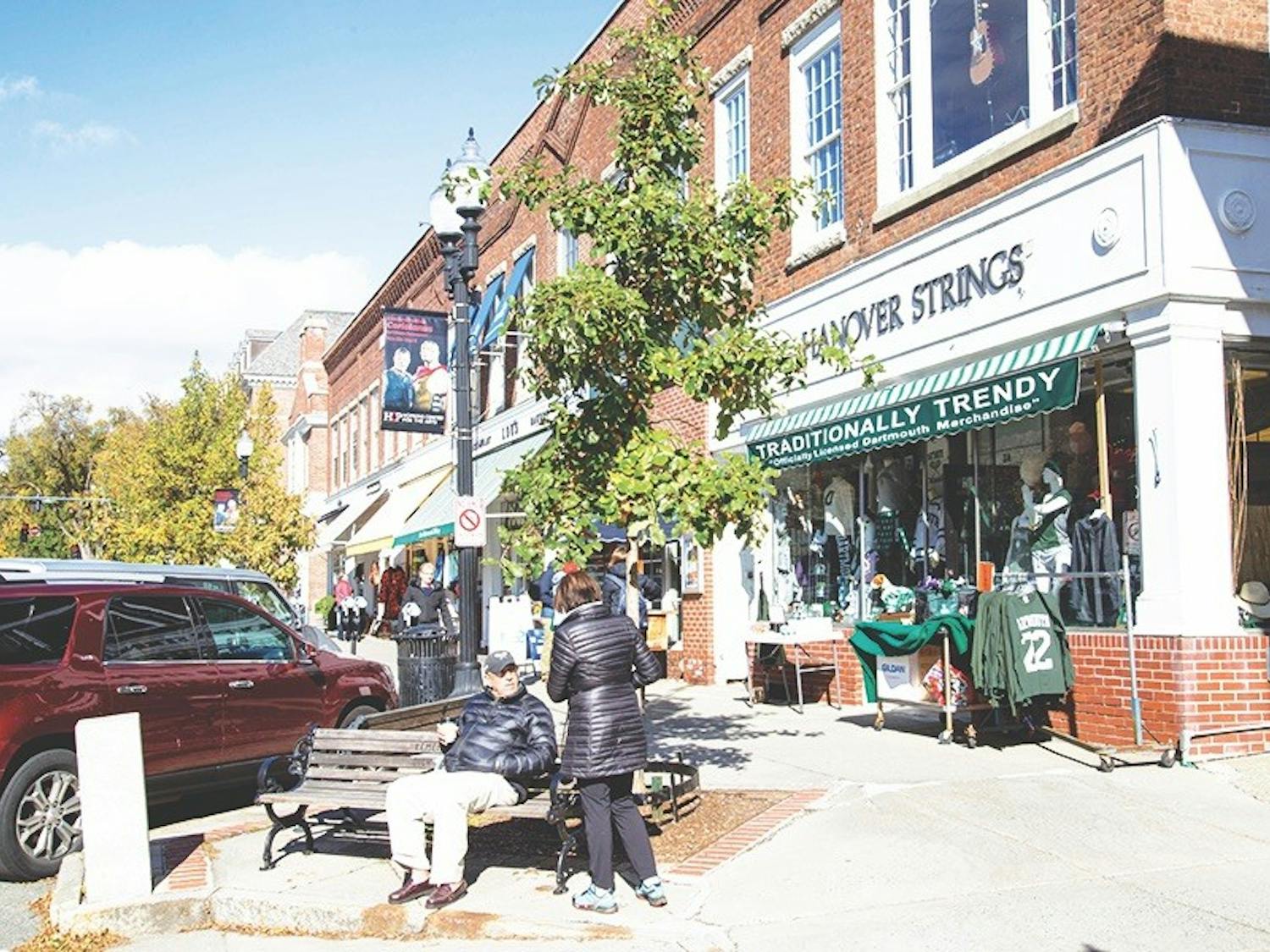
The landscape of Main Street Hanover has seen significant changes in recent years, notably with the departure of pizza shop Everything But Anchovies and the imminent departure of the Dartmouth Bookstore.
So many pamphlets, websites, lectures and discussions are made available to high school students to prepare them for college’s intense social transition that it’s easy for Dartmouth students to forget that they are at the College to receive an education. Engaging with Dartmouth’s higher level learning could certainly be a shock to first-year students who are accustomed to high school learning methods and grading. Nora “Gus” Guszkowski ’22 quickly learned the difficulty of maintaining high grades at the College.
When alumni come back to Dartmouth for Homecoming, they may be surprised the number of changes that have occurred at the College and in Hanover.
As a liberal arts college, Dartmouth offers its students many options to specialize their academic goals according to their needs and interests.
Every student’s college experience is influenced by their parents, whether they helped choose what college to attend, what major to pursue or what activities to participate in.
Adjusting to college can be a significant challenge for all students, but a student who also has to acclimate to a new country is in an even tougher position.
It’s freshman year. All eyes are on you. Especially when you check the countless emails coming from the College’s Listserv inviting you to attend meetings or join a new club.
Lately, I have noticed a distressing trend: my mom receives more likes on Facebook than I do. Whether she’s posting pictures of her daughters in college, images of her rooftop garden in New York City, snaps of ballet performances or even her own magazine articles, most of her posts are followed by enthusiastic likes and comments from her doting friends.
Dance and theater have spanned across multiple cultures, and their use as forms of expression has pervaded history. Whether it be a vivid tale of the Second Liberian Civil War turned alive by the Dartmouth Theatre Department or dances showing off the Soyeya African Dance Troupe’s pride in their heritage, movement has a unique way of expressing emotion and serving as a method of communication. p.p1 {margin: 0.0px 0.0px 0.0px 0.0px; text-align: justify; font: 9.5px Baskerville} span.s1 {font-kerning: none} span.Apple-tab-span {white-space:pre} Jessica Weil ’21 has been dancing since she was 3 years old.
“That was so moving.” I’ve probably heard those words hundreds of times throughout my life, in reference to hundreds of different things. A performance can be moving, as can a song or a speech. Though seemingly very different, what ties these experiences together is their ability to move us outside ourselves.
Unlike most colleges that operate on a traditional calendar system, Dartmouth offers the D-Plan, or “Dartmouth Plan” which allows students to travel, find a job, get an internship, or do research during their off-terms.
One of the most significant movements that affect our everyday lives as Dartmouth students can be seen in such a common place as Baker-Berry Library.
Long gone are the days of struggling to pick your Top Eight friends on Myspace, engaging in poke wars via Facebook and chatting with your friends on AIM while your parents aren’t using the shared family computer.
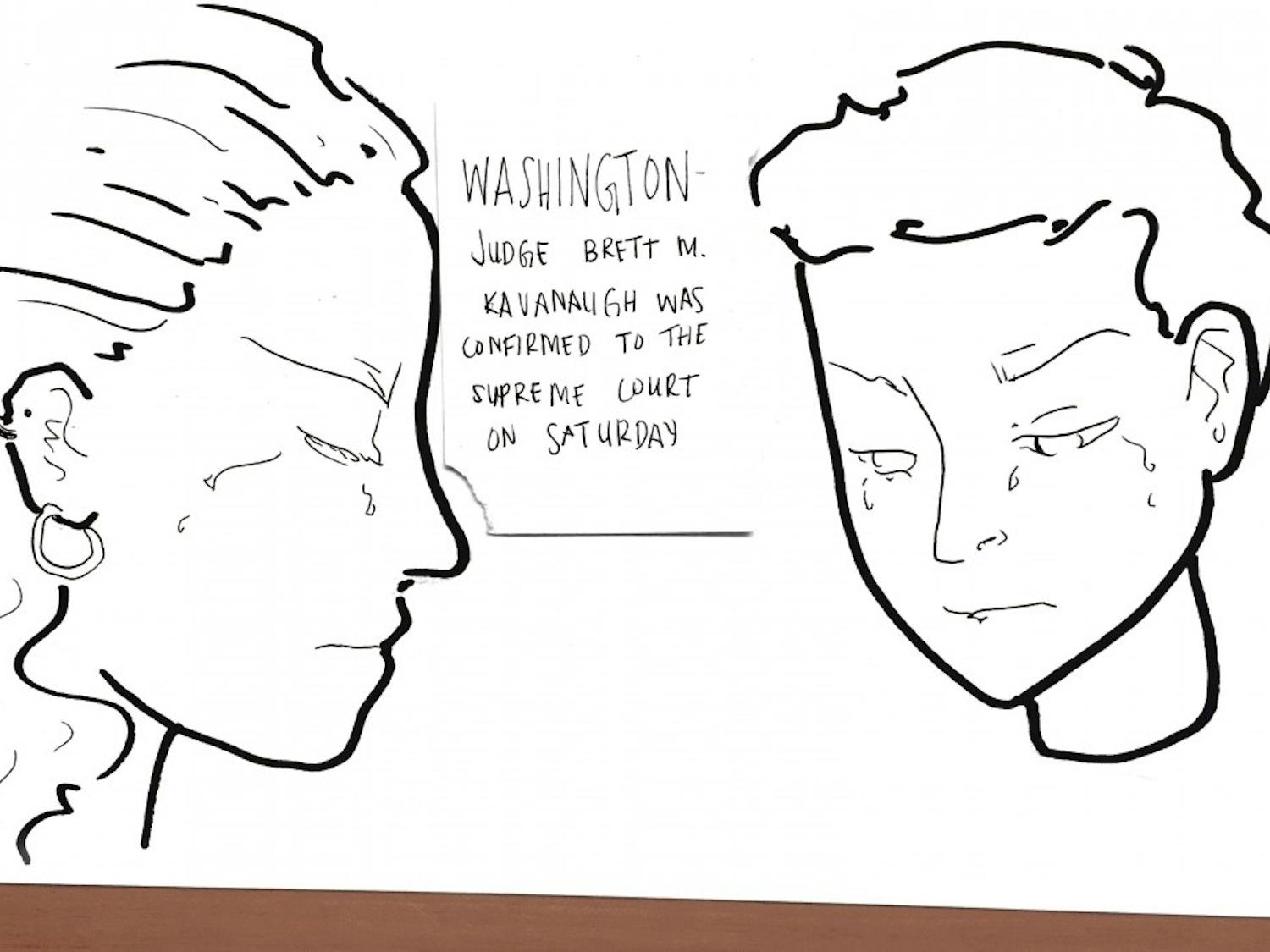
In the wake of the polarizing confirmation of Brett Kavanaugh to the U.S. Supreme Court following multiple credible allegations of sexual misconduct, this week’s Mirror theme of gender falls at an tremendously relevant time.
Gender. Some of us think about it more than others — one may happen to notice this particular aspect of one’s identity more in certain situations, such as walking home at night in the city.
Popularized perceptions of college life cast a narrow view of sexuality in which men hit on women at drunken frat parties, leading to one-night stands with no strings attached.
Last winter, I took a biology class with a lab counterpart that was entirely dissection-based. Though the subject matter of the class was extremely fascinating, with every incision and extraction I performed, I realized that I did not have the passion necessary to continue the infamous pre-med track that I, like many of my peers, entered college intending to pursue.
"You write like a boy.” I heard that sentence numerous times throughout elementary school.