Study abroad programs allow students to pursue passions
Ask any Dartmouth tour guide, and they’ll tell you: 60 percent of Dartmouth students study abroad once, 30 percent study abroad twice and 10 percent study abroad three times or more.
Dartmouth was ranked 12th in the 2019 U.S. News and World Report national university rankings released today, dropping one place from last year. The College is tied with the California Institute of Technology this year.
The Class of ’53 Commons, Dartmouth’s major dining hall, is a familiar setting for most students.
Dartmouth is a school grounded in its traditions. Known for having the smallest student population among the Ivies, many students insist that this long-held fact is key to maintaining the College’s unique charm.
Like at many colleges across the United States, sexual misconduct has become a significant source of discussion for both administrators and students at the College in recent years.
When Monik Walters ’19 and Nicole Knape ’19 were elected Student Assembly president and vice president in April, they told The Dartmouth that they were “changing the game.” This summer, they have started working on a new SA website, a speaker series and the possibility of a student role on the Board of Trustees.
Following the publication last year of “Our Green Future: The Sustainability Road Map for Dartmouth,” a report calling for an increase in institutional efforts for sustainability written by a task force led by director of sustainability Rosi Kerr and environmental studies professor Andrew Friedland, College President Phil Hanlon announced plans to reduce the College’s carbon footprint.
For most Olympic athletes, being the best at their sport is the pinnacle of success. But for Alexi Pappas ’12 — an Olympic long distance-runner — success on the field is not enough.
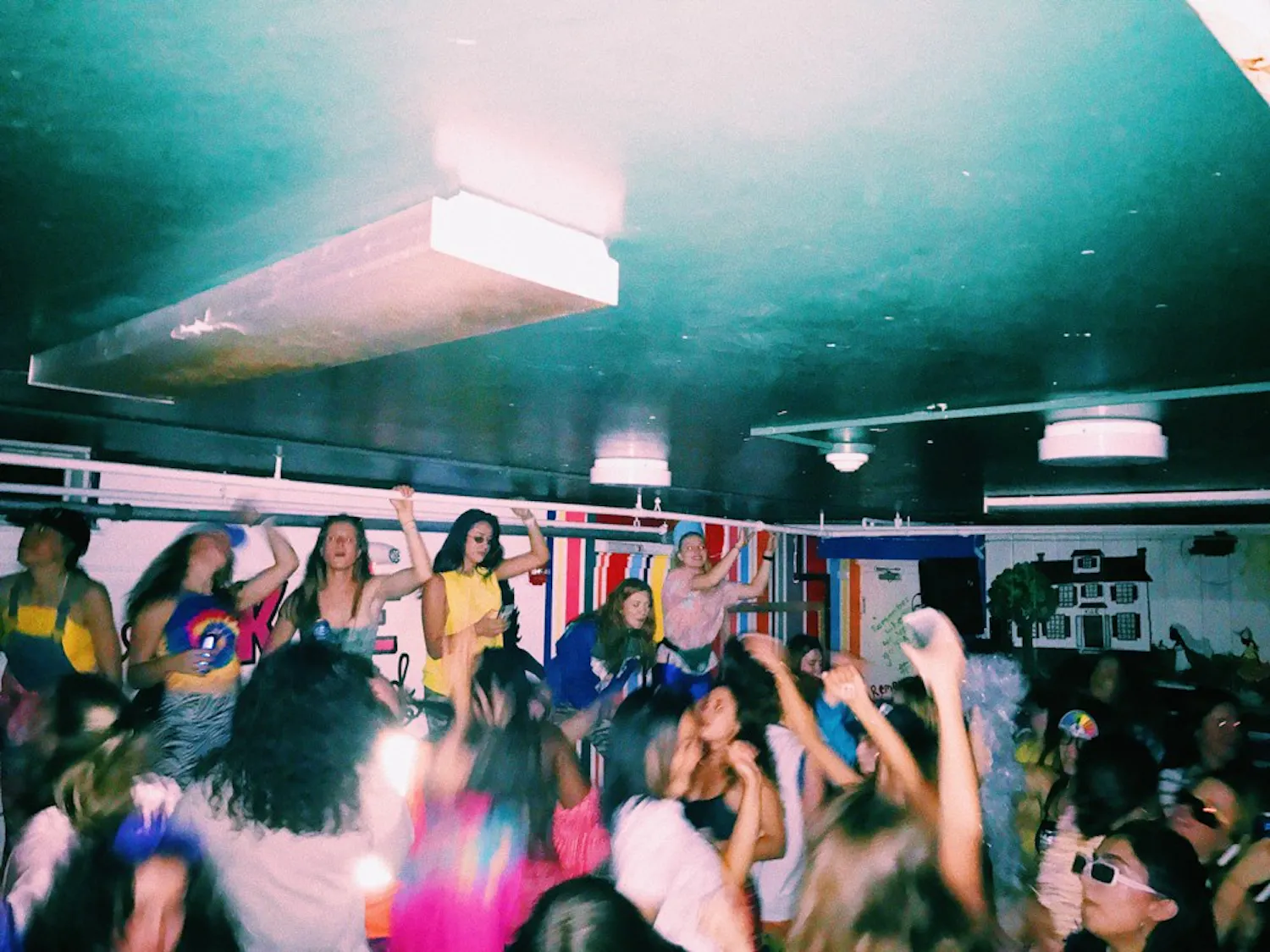
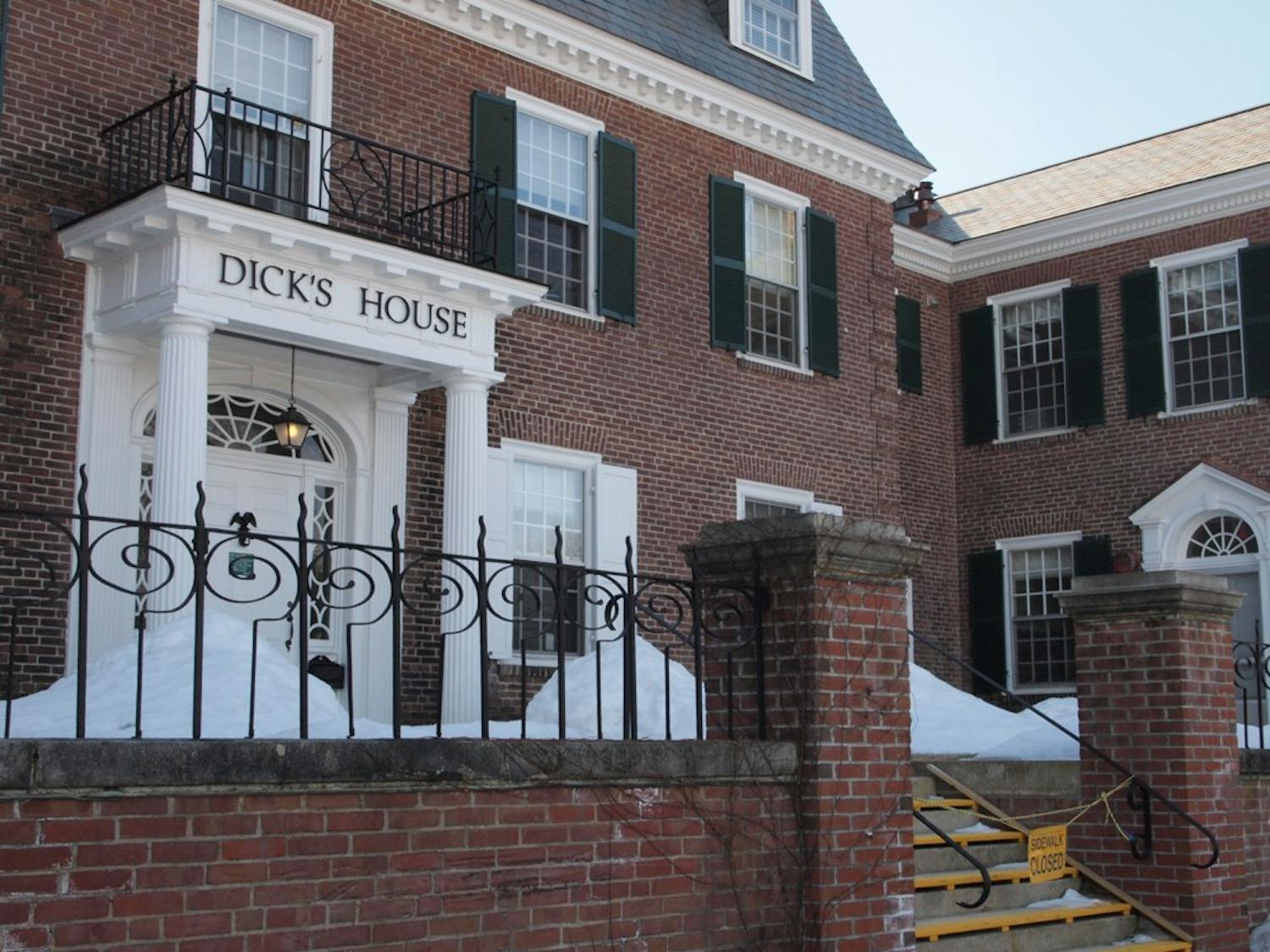
What do a small independently-run library and a noisy, sticky-floored basement have in common? They are both iterations of Dartmouth’s Greek Life system, according to College archivist Peter Carini. Greek life has long been an important part of the College’s culture.
As fall term approaches, new and returning students begin to search for new opportunities to showcase their talents and become involved in the Dartmouth community.
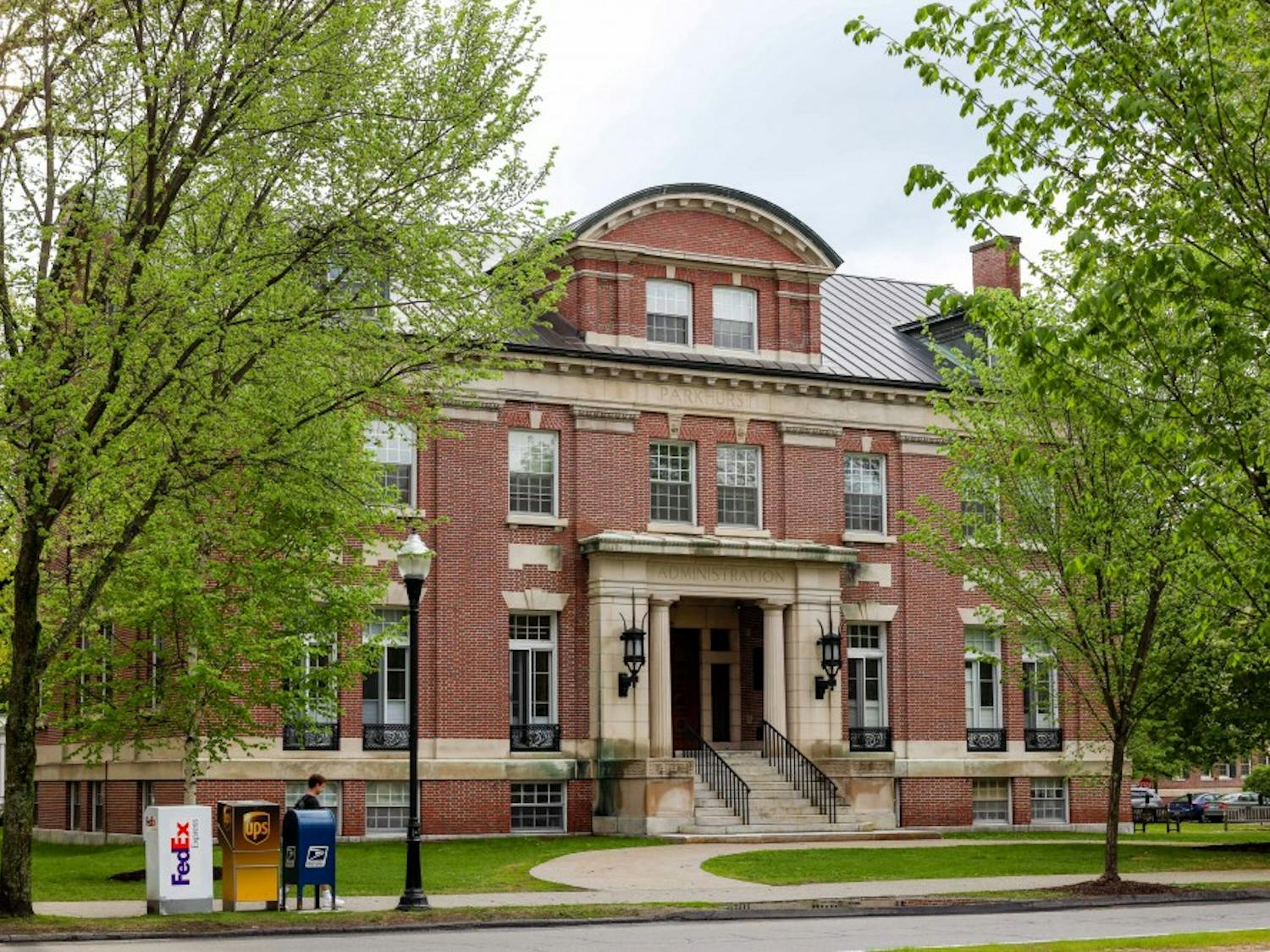
Many students go through four years at Dartmouth with few, if any, direct interactions with members of the administration, even though many administrators work near the center of campus in Parkhurst Hall.
James Nachtwey ’70 has had a career that has taken him around the world, from Lebanon, to Ireland, to South Africa, to the former Soviet Union.
An investigation by the College earlier this summer found that H. Gilbert Welch, a professor at The Dartmouth Institute for Health Policy and Clinical Practice and a leading health policy scholar, committed plagiarism in his authorship of a highly-cited 2016 article in the New England Journal of Medicine. According to a June 14 letter written by interim provost David Kotz ’86, the College accepted the report of an Investigation Committee that found Welch to have “engaged in research misconduct, namely, plagiarism, by knowingly, intentionally, or recklessly appropriating the ideas, processes, results or words of Complainants without giving them appropriate credit, and that these actions represented a significant departure from accepted practices of the relevant research community.” Retraction Watch, a scientific research blog, first reported the letter’s existence earlier today in collaboration with Stat News. The letter is addressed to another TDI professor, Samir Soneji, who along with Hiram Beltran-Sanchez, a community health sciences professor at the University of California, Los Angeles, alleged that Welch used information Sonenji and Beltran-Sanchez gathered on over-diagnosing tumors during breast cancer screening for his NEJM article.
The proportion of students who accepted the College’s offer of admission this past spring is 64 percent, an increase from last year’s all-time high of 61 percent, according to vice provost for enrollment and dean of admissions and financial aid Lee Coffin.
Before an audience of around 30 community members, executive vice president Rick Mills proposed on Thursday afternoon three new sites that the College is currently considering for the construction of a new 350-bed undergraduate residence hall.
Matt Moniz ’20 took an unusual off-term last spring to fulfill a childhood goal: testing the boundaries of human capabilities and reaching the summit of Mount Everest.
Two Democratic hopefuls seeking to challenge New Hampshire’s Republican governor Chris Sununu in the 2018 election spoke at a forum on Monday in Alumni Hall to discuss policy proposals before a crowd of about 300 Dartmouth students, faculty and community members.
Dartmouth has announced that engineering professor Laura Ray will become interim dean of the Thayer School of Engineering on Oct.
On July 26, former Sherman Fairchild distinguished professor in sustainability science Anne Kapuscinski left the College to direct the the University of California, Santa Cruz’s new graduate program in coastal science and policy and teach as an environmental studies professor.
In his first extended public remarks since the U.S. Supreme Court ruled in favor of the Trump administration’s ban on immigration from six Muslim-majority countries, North Korea and Venezuela, Neal Katyal ’91, who presented the oral argument opposing the ban before the Court, told an audience of Dartmouth students, faculty and community members last Friday that he was “worried” and “dispirited” by the Court’s decision. Katyal, a former acting U.S.