Proposed class action alleges College can’t charge full tuition for online learning
On Thursday, Dartmouth became the latest in a string of colleges across the country to be sued for charging full tuition amid the transition to an online format.
First-Year Trips will not happen in its traditional outdoor format, Trips director Kellen Appleton ’20 and associate director Jake Klein ’20 wrote today in letters to Trips applicants and the Class of 2024. Appleton said that they will be able to determine more details about Trips’ adapted format following the College’s decision regarding fall term.
American Civil Liberties Union lawyers representing plaintiffs Caroline Casey ’21 and Maggie Flaherty ’21 in a lawsuit challenging state residency law House Bill 1264 withdrew their case on Friday, two days after the New Hampshire Supreme Court ruled that the bill has no effect on voters.
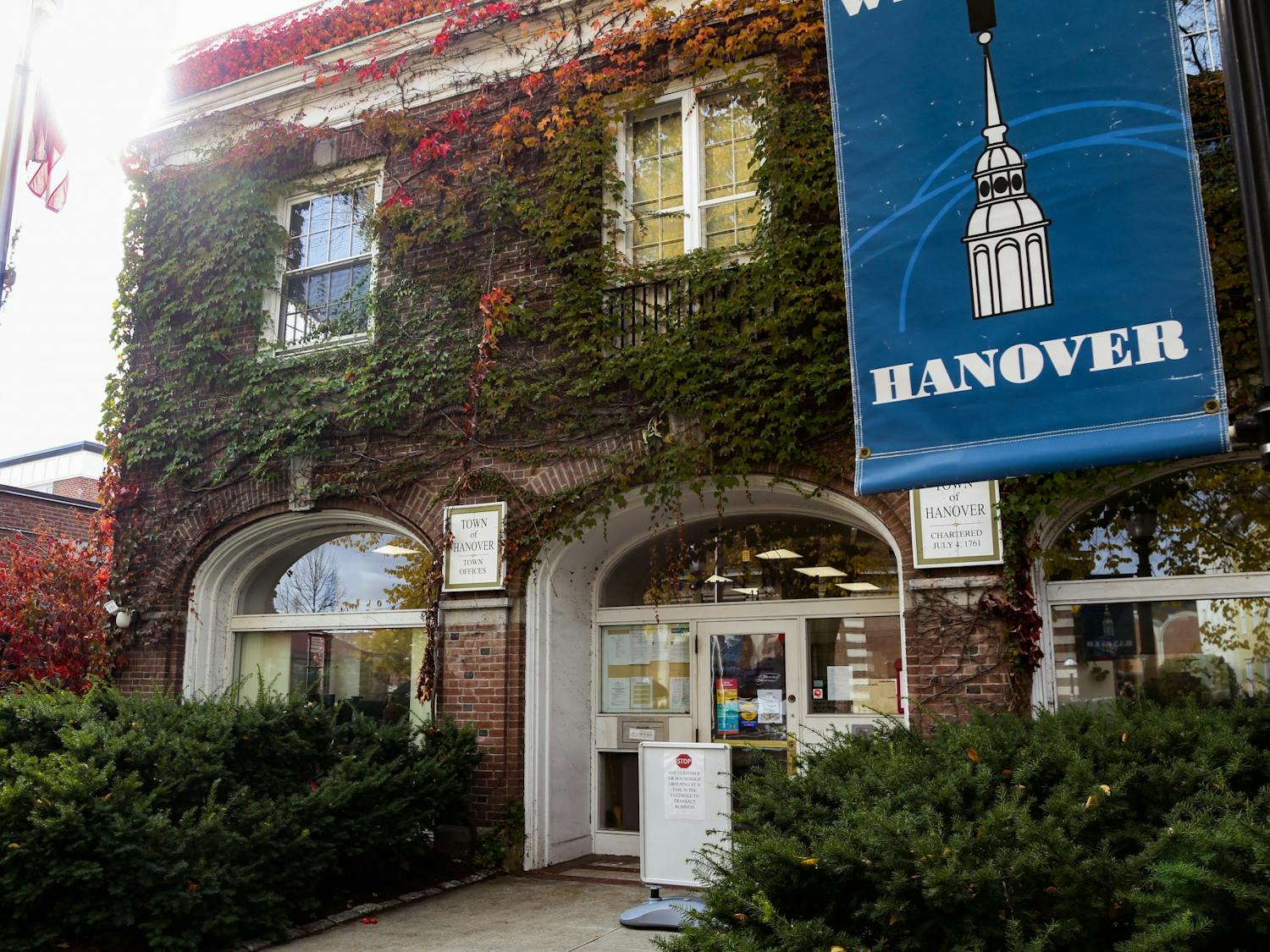
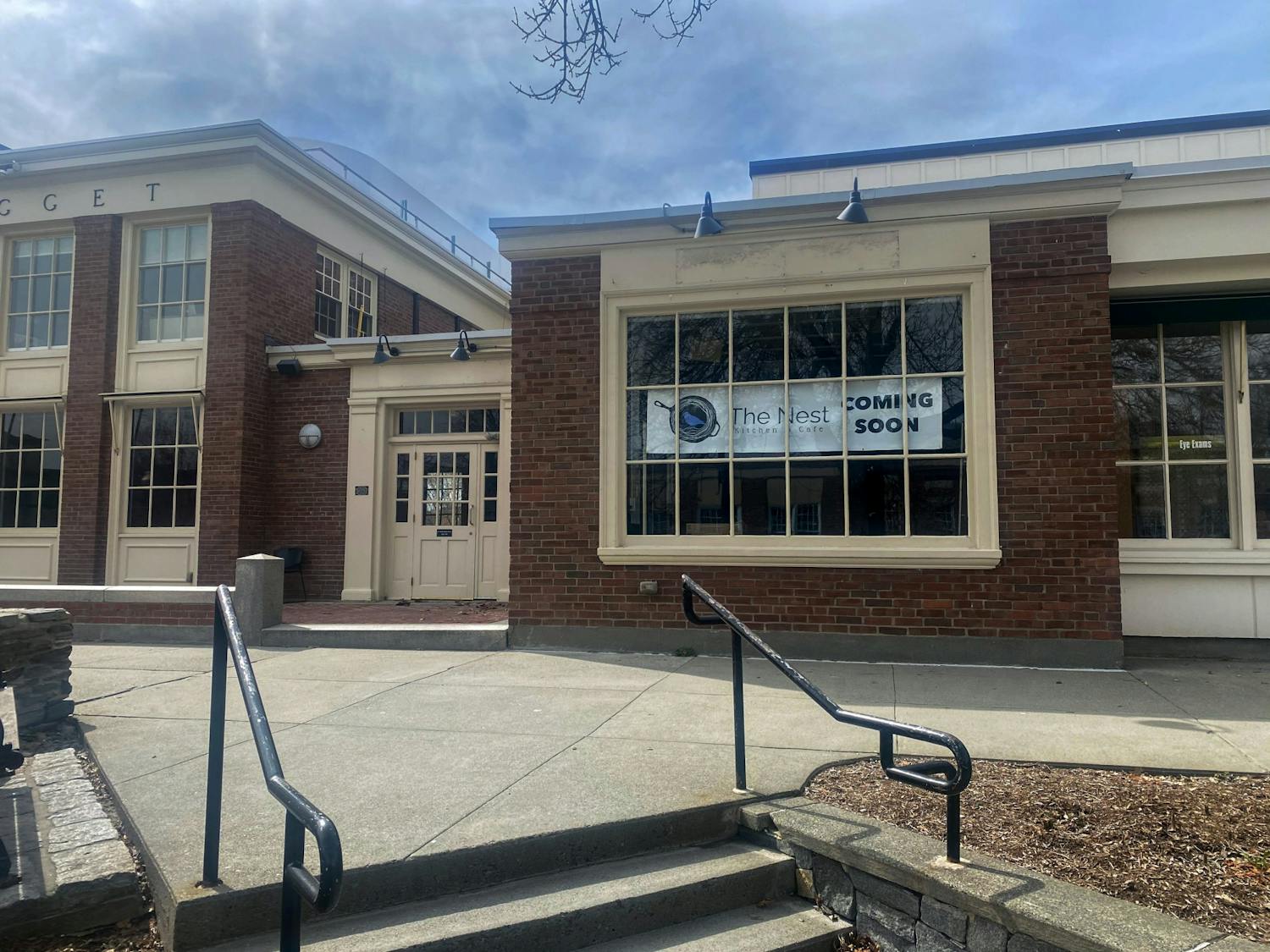
As the COVID-19 crisis continues to unfold in New Hampshire and across the country, businesses in Hanover have struggled to adapt to an uncertain environment. While some Hanover businesses remain closed, others have been open for takeout, delivery or, most recently, outdoor dining.
While many students worry about how their academic plans will be affected by COVID-19, one group in particular — international students and others who have been allowed to remain in on-campus housing — face unique concerns. After the College announced that students can only live on campus this summer if enrolled in online classes, some international students voiced concern about their options for housing next term.
Dartmouth will apply for the first half of its allotted funding from the Coronavirus Aid, Relief, and Economic Security Act, College President Phil Hanlon announced today. As required by the federal government, the funding will be used for emergency financial aid.
This year’s elections for Student Assembly and Class Councils were marked by several incidents of students using anonymous posts to criticize and attack certain candidates, calling into question the ethics of public callouts in student elections and of using anonymity for this purpose.
In an effort to raise awareness about the increase in domestic violence during the COVID-19 pandemic, friends Sara Cho ’20 and Isabelle Chung ’19 founded nullepartout, an online apparel and lifestyle shop that sells jewelry, apparel and other goods and donates its proceeds to domestic violence related charities.
To facilitate social connection during the COVID-19 pandemic, Dartmouth students and faculty members have launched a letter-writing program called Pine Pals, connecting students and elderly people in New Hampshire and Vermont.
As Dartmouth students finish their virtual spring terms, many are looking to other colleges for information about how and if they will conduct their fall terms. While the College has yet to offer specific guidance on the fall, College President Phil Hanlon and Provost Joseph Helble announced on May 4 that a final decision regarding fall term will be made by June 29.
With three of Grafton County District 12’s four representatives not seeking reelection, state representatives and organizers remain confident that Hanover will stay blue on Nov. 3, despite the pandemic’s possible impact on student voter turnout.
For the first month of spring term, Dick’s House was unable to offer counseling services to students outside of New Hampshire due to licensing restrictions that prevented counselors from practicing out of state. After state and regional health boards loosened restrictions in light of COVID-19, the Counseling Center has explored new ways to connect with students as the College moves into its second term of remote learning.
This year’s virtual commencement speaker will be Salman Khan, founder of the free online education platform Khan Academy, Dartmouth announced on Thursday. The College selected Khan as commencement speaker before the switch to remote learning.
News that King Arthur Flour’s Baker-Berry Library location has closed permanently, albeit due to reasons unrelated to the COVID-19 pandemic, has hit hard for students and alumni alike. Members of the Dartmouth community, spread across the world during the remote term, have realized that they’ve waited in the famously-long KAF line for the last time.
Following a year-long international search, the College announced on Wednesday that Stony Brook University political science professor Jason Barabas ’93 has been appointed director of the Rockefeller Center for Public Policy. Barabas currently directs the master’s program in public policy at Stony Brook and will begin his position at Dartmouth, where he will also teach as a government professor, on July 1.
Government professor Jason Lyall has been named a 2020 Andrew Carnegie Fellow, an award given annually to fund scholarship in the social sciences and humanities. The fellowship will provide Lyall with a grant of $200,000 for his research project on the implementation of humanitarian aid in violent settings.
Before Jake Tapper ’91 became host of CNN’s “The Lead” and “State of the Union” and one of the nation’s most respected political correspondents, he got his start as a cartoonist for The Dartmouth. In an interview with The Dartmouth, Tapper discussed the COVID-19 pandemic and the current state of journalism in the U.S.
As New Hampshire begins to reopen, Dartmouth is requiring mandatory temperature checks for all employees returning to work — just one step among many to keep up with state guidelines. As a decision about fall term looms, College leaders say it is “too early to tell” how state guidelines might impact the potential return of students.
By June 22, members of the Class of 2022 will have to decide whether to take classes this summer — participating in a remote version of their sophomore summer term — or move their mandatory summer term to 2021.
Theodor Seuss Geisel ’25’s iconic line “Oh, the places you’ll go” has taken on new meaning during the COVID-19 pandemic, as many seniors’ post-graduation plans remain uncertain. While some graduates will be able to start their jobs remotely, others have faced cancellations, delays and application difficulties.