
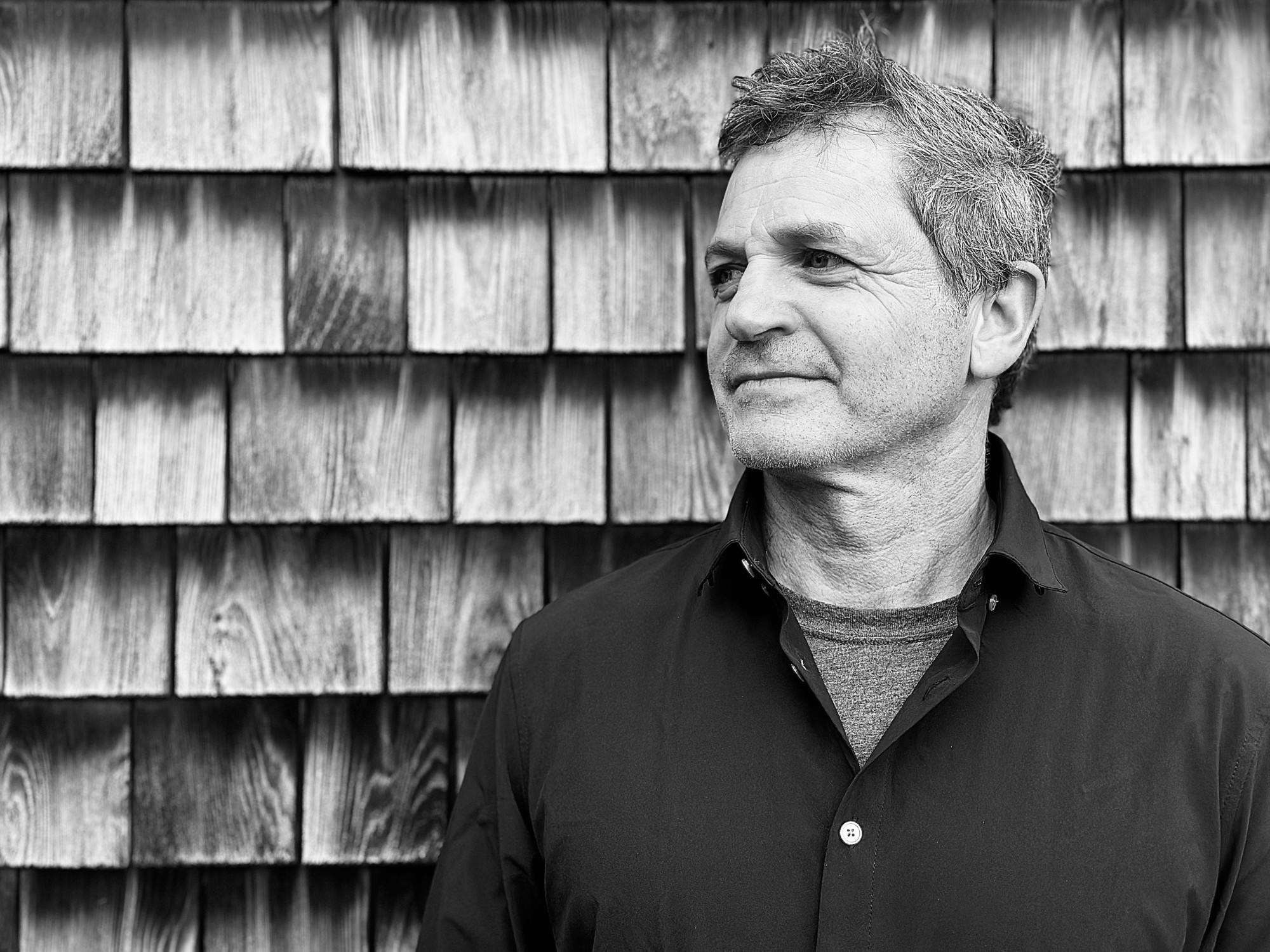
In August, professor of English and creative writing Peter Orner published a new historical fiction novel, “The Gossip Columnist’s Daughter.” The story follows Jed Rosenthal, a struggling writer who grows obsessed with the murder of starlet Karyn Kupcinet — a real-life incident. Combining historical fact and fictional characters, Orner creates what The New York Times called “a moody and engrossing meditation on the ephemerality of memory, the persistence of family myths and a haunting ode to a bygone Chicago.” On Nov. 4, the new creative writing campus space Literary Arts Bridge will be hosting a reading and conversation about the novel with Orner and the cartoonist Liniers. The Dartmouth sat down with Orner to discuss his inspiration and writing process for the novel.
What drew you to the topic of Karyn Kupcinets’ murder?
PO: Like a lot of my books, this one has a kernel of truth. I’ve been holding onto this story for a while. A lot of my books take a long time, and this one took 15 years. It’s somewhat based on a family story that was handed down to me. Karen Kupcinet’s death happened before I was even born; it predates me. From that story, I got this idea of what happens to a friendship between two couples when something catastrophic happens in that relationship.
What cultural or literary influences inspired the novel?
PO: I’m from Chicago, and the great Chicago writers that came before me are my heroes. I greatly revere people like Stuart Dybek, Bette Howland and Saul Bellow. William Faulkner also gave me this idea that the most important thing that happens to a person may have happened before they were even born. That’s true in this book: my narrator Jed is obsessed with this event that happened before he was born because he thinks that it somehow shaped his life.
How do you navigate incorporating historical facts and real people into your fictional story?
PO: Delicately. I love to work with real facts and incorporate real things into my stories. I actually teach a class at Dartmouth called “Uses of Fact.” This book is a novel, so the narrative is fictional. But some of the people in the book were real people at one time and famous to a certain degree — and the general rule of thumb is that famous people are fictionalizable.
Your main character Jed teaches creative writing and also writes. How much of yourself do you see in him?
PO: Not a lot. I like to play with the idea that things are close to me when they actually aren’t. So Jed is pretty far from me in a lot of ways, but I guess demographically we both teach creative writing. He teaches in a very different place, but I’ve also taught at places that are different from Dartmouth. I like the idea of a narrator who is struggling to tell a story, and I realized that only a writer could be crazy enough to follow a story in the ways that he does. He becomes extremely obsessed with it — evolving from somebody who at first can’t quite tell the story he wants to tell.
How does being a creative writing professor at Dartmouth inform your practice?
PO: It informs it a lot. I get a lot of inspiration from my students in my classes who are really talented writers — really creative and really trying new things. I was trying a ton of new things with this book, especially regarding narrative techniques. I’m inspired by the risks that my students take; I was trying to walk the walk and not play it too safe. Since I was writing about a writer, I could experiment in that way. He could try something different, and it may not work, but it might help his story. And that’s what I encourage my students to do.
What advice would you give to students looking to pursue writing?
PO: I have one word — read, read, read, read. Read what you love, not what somebody else tells you to read. Of course, I expect my students to read what I assign, and I hope they love it. But I always encourage my students to constantly read what they enjoy, even if it has nothing to do with class. Hopefully the things you have to read for college will also be things you like. But we all have stories that engage us and that we dearly love. I encourage my students to hold those close.
This interview has been edited for clarity and length.


