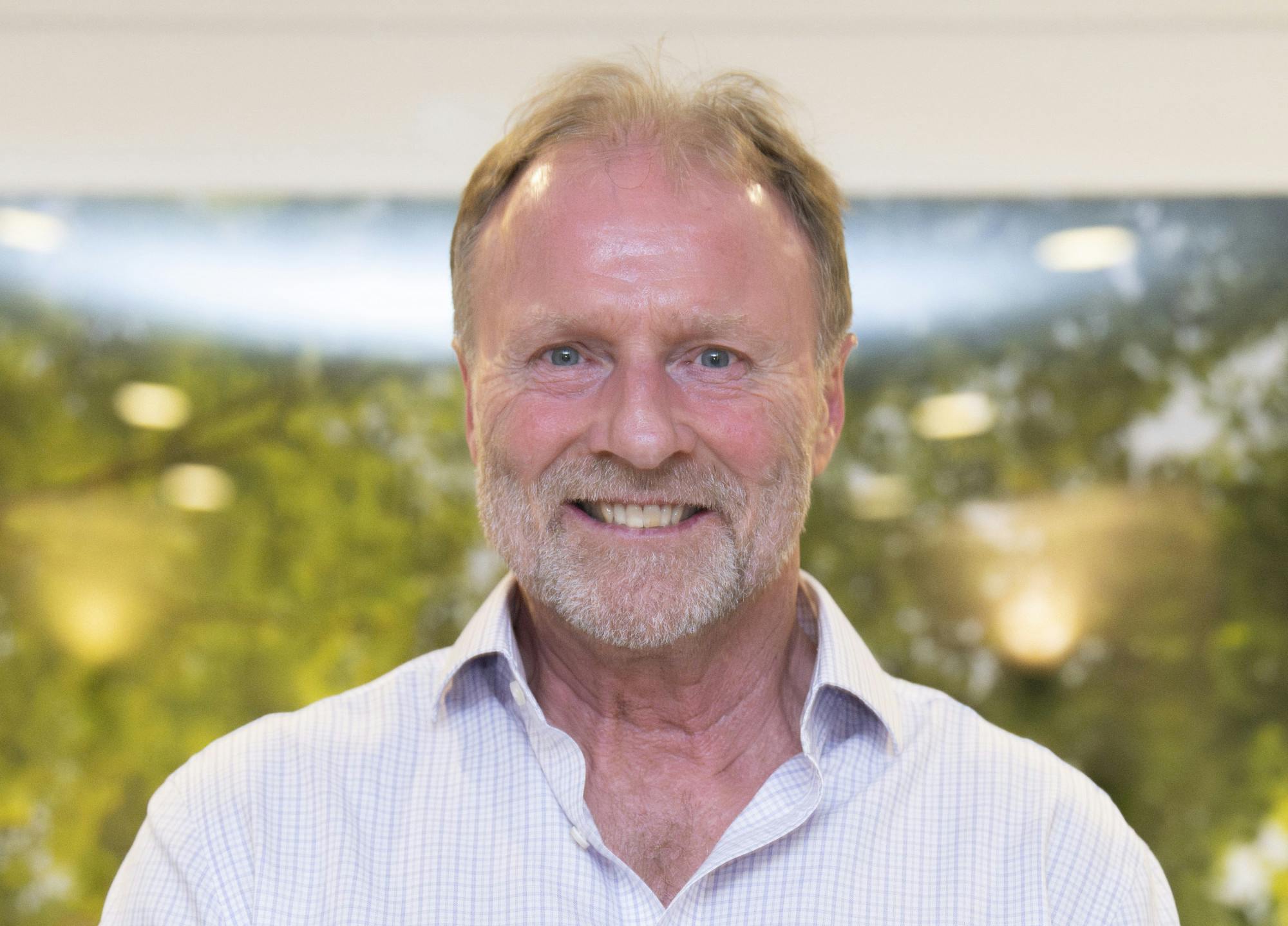
Economics professor Robert Staiger will serve as the World Trade Organization’s chief economist and director of the economics research and statistics division for a two-year term. In this role, he will advise the WTO on trade policy, oversee research and data, publish key reports and represent the organization in global economic debates. The Dartmouth sat down with Staiger to discuss his appointment, his priorities for his tenure and his thoughts on the changing global trade environment.
How did you react when you learned that you were chosen for this role?
RS: I knew about the position through the former chief economist, and he had encouraged me to apply. So I applied in April. The application is a long process, but eventually I percolated up to the short list, and I had an interview with the director general of the WTO in August, and she made the offer in mid-August. It took a bit of time to process it, to figure out the logistics and I was able to finally say ‘yes’ just a week ago. I’m very, very happy to have this opportunity. It’s a very exciting time to be thinking about the world trading system and the WTO’s role in it, and I hope that I can have a positive impact on the world trading system moving forward.
What motivated you to take on the role of WTO Chief Economist?
RS: I’ve been doing research on the WTO and its predecessor organization, the General Agreement on Tariffs and Trade, for a long time. So it’s my area of interest and expertise. The WTO is facing an existential crisis right now, and I think it’s anybody’s guess how things are going to pan out over the next few years. That makes for a very interesting and exciting moment to be part of that institution — to be there on the ground, trying to help it survive and improve reform. It’s the things that need reforming and preserving, the core features that give it a lot of legitimacy as what is effectively the constitution of the world trading system. My hope is that I can contribute to preserving the core features of that institution and improving what needs to be improved.
How have your research and teaching at Dartmouth — or your broader academic work — prepared you for this position?
RS: Since I came to Dartmouth 11 years ago, I’ve always taught the undergraduate trade course, “ECON 39: International Trade,” and I’ve always made sure that I teach about the WTO and the role of trade agreements and why economists think we even need trade agreements, which is, in some ways, a puzzle. We cover lots of things about trade, but we do spend some time thinking about why the basic principles of the WTO can be defended on economic grounds with some very simple economic principles. Teaching that for many years and doing research on it, both theoretical and empirical, and watching the research of others in the profession has, I think, prepared me pretty strongly for arriving at the WTO at this moment.
What will your top priorities be?
RS: I think my top priorities are actually having conversations with the other 165 members of the WTO about what is the appropriate way to respond to the challenges that the U.S. has confronted the WTO with. After April, the U.S. wanted to negotiate with countries, but the negotiations were not really of the form that is typical in the WTO. Those bargains, at least on the face of them, were bargains that are pretty antithetical to the core features of the WTO.
The immediate crisis is, are we going to continue to have more countries do these kinds of bargains which basically violate the core features of the WTO? My immediate thing would be to try to facilitate the conversations among member governments about how they can coordinate their response to the U.S. a bit better, and coordinate it in a way that is consistent with core WTO principles.
By the end of your tenure, what are some things you hope to have accomplished?
RS: I hope the WTO will still exist by then. Beyond that, if the WTO has gotten on the road to some serious reforms that need to be done, that’s a big plus. That could be a silver lining coming out of this. Because certainly what the US is doing could be said to be spurring countries to find ways to reform the system. Now they really feel the pressure, and maybe some reforms will come out. The GATT was created in 1947 out of the ashes of the world trading system that had been destroyed by two world wars. There is an argument that it really does take a crisis to get countries or people of countries, in this case, to do the right thing and maybe that’s part of what will happen. Maybe that would be the best hope and the silver lining.