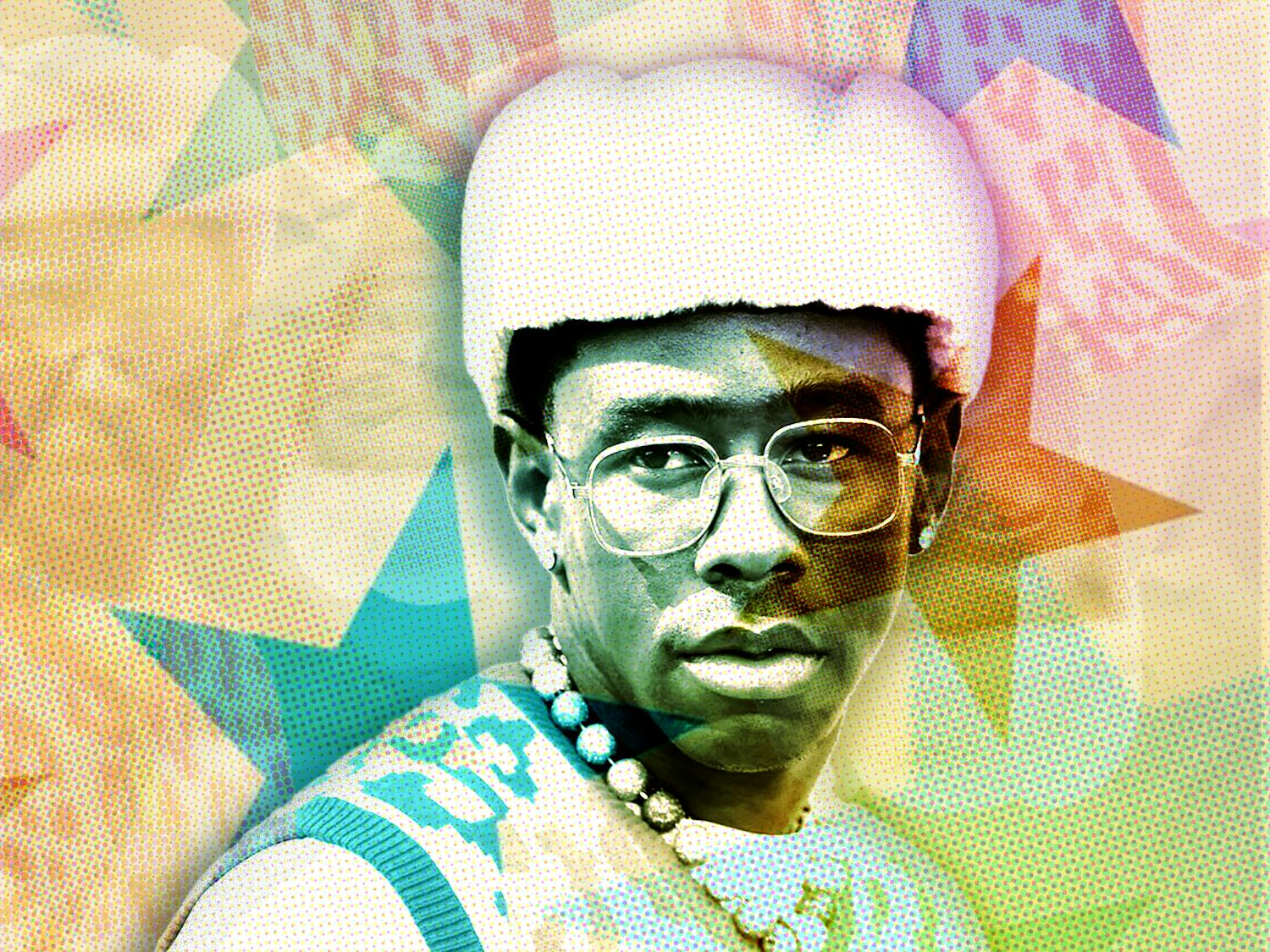
Review: ‘Call Me If You Get Lost’ sees Tyler, the Creator return to his roots, now more matured and refined
The latest album, released June 25, builds upon the musical prowess exhibited in his last two, but with a refreshingly rougher edge.
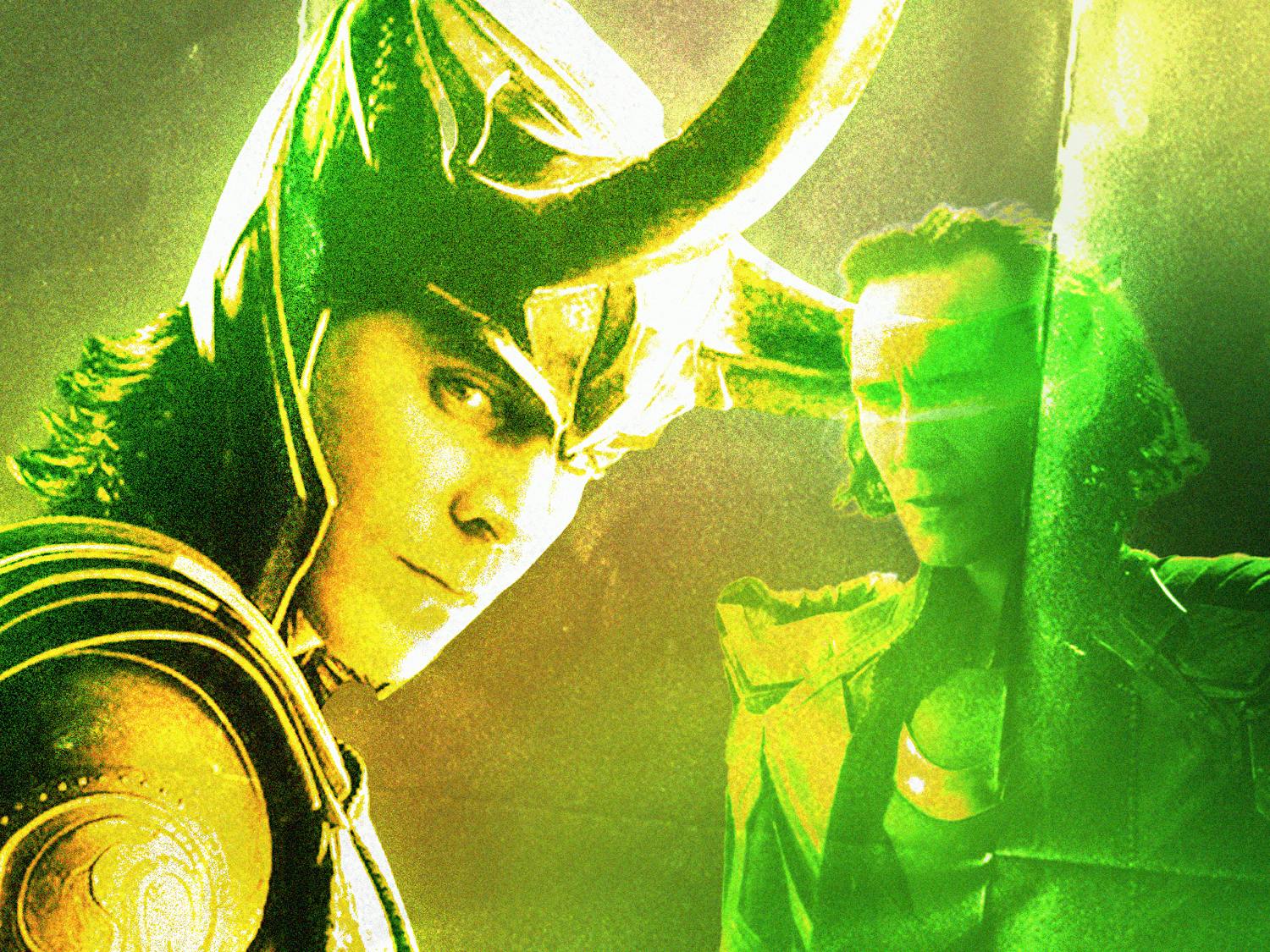
“Loki”’s limited nature and complicated plot weaves an intriguing storyline, but leaves much to be desired in a disappointing finale.
“Black Widow” is an action-packed film with an empowering message that falls short of giving its heroine the long-awaited role she deserves.
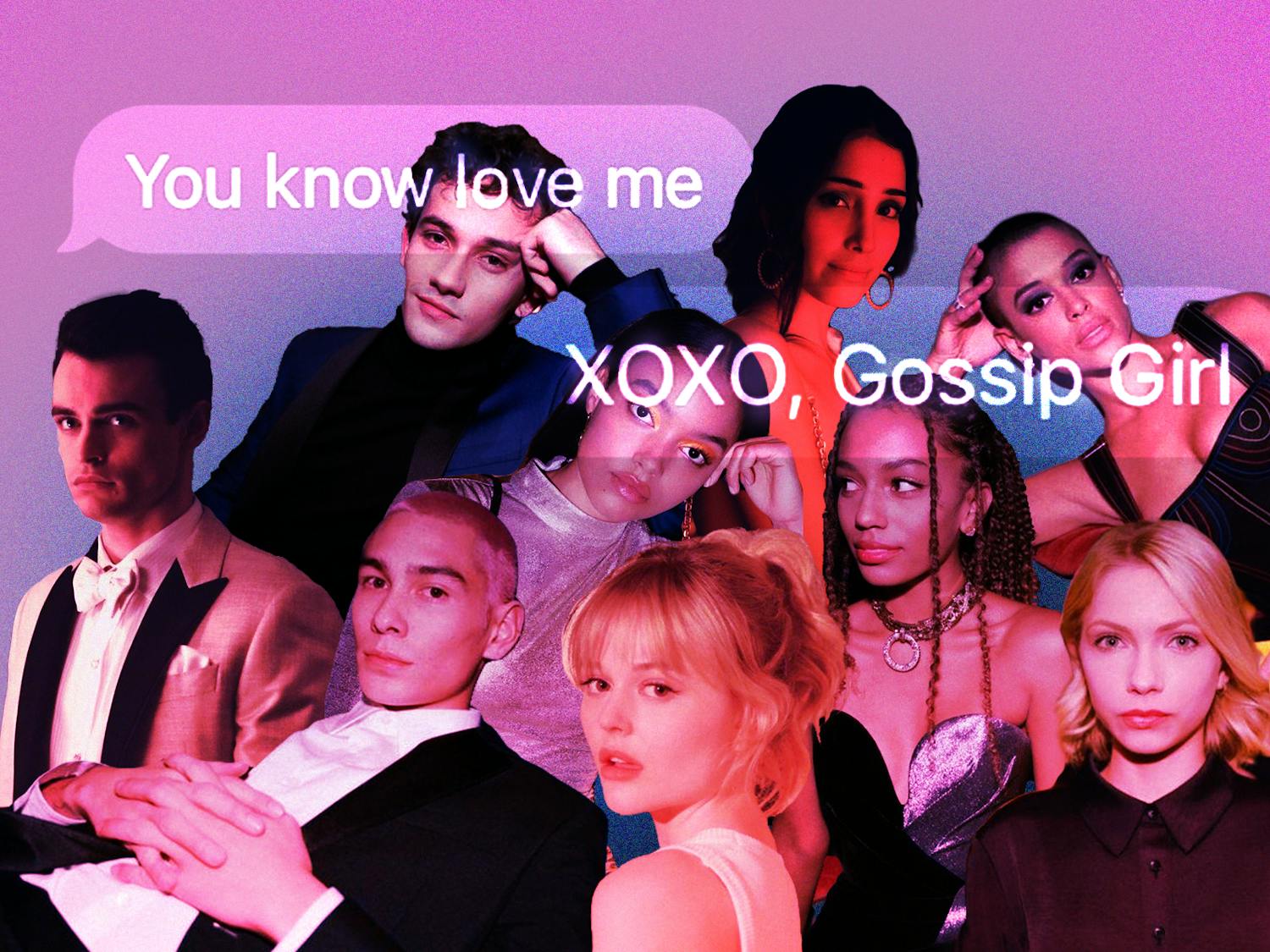
HBO Max’s Gossip Girl reboot is sure to attract new viewers while including just enough nostalgia to bring back former fans.
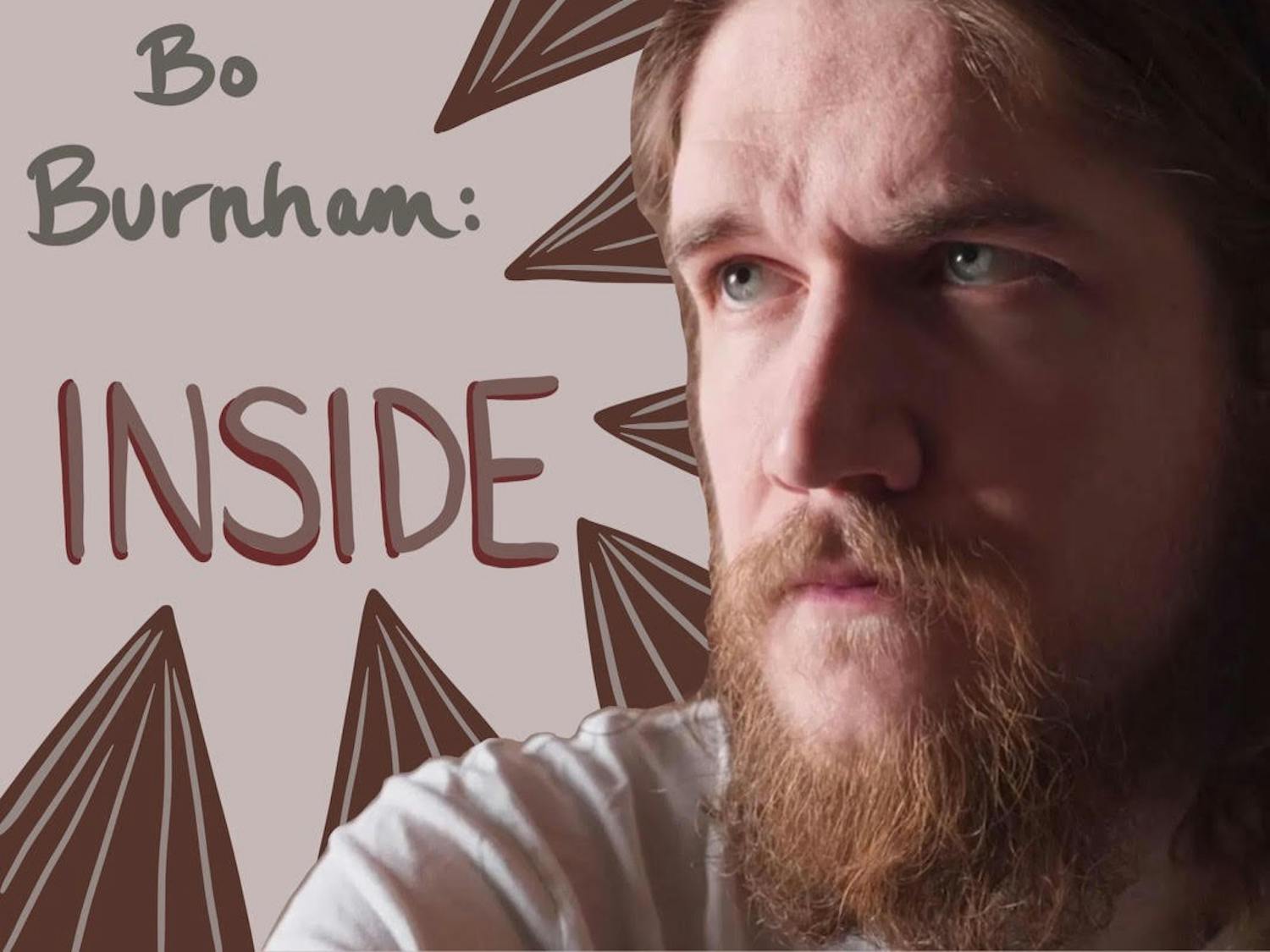
Burnham’s newest Netflix special surpasses his previous works of introspective musical comedy as he grapples with isolation and understanding his place in an internet-driven world.
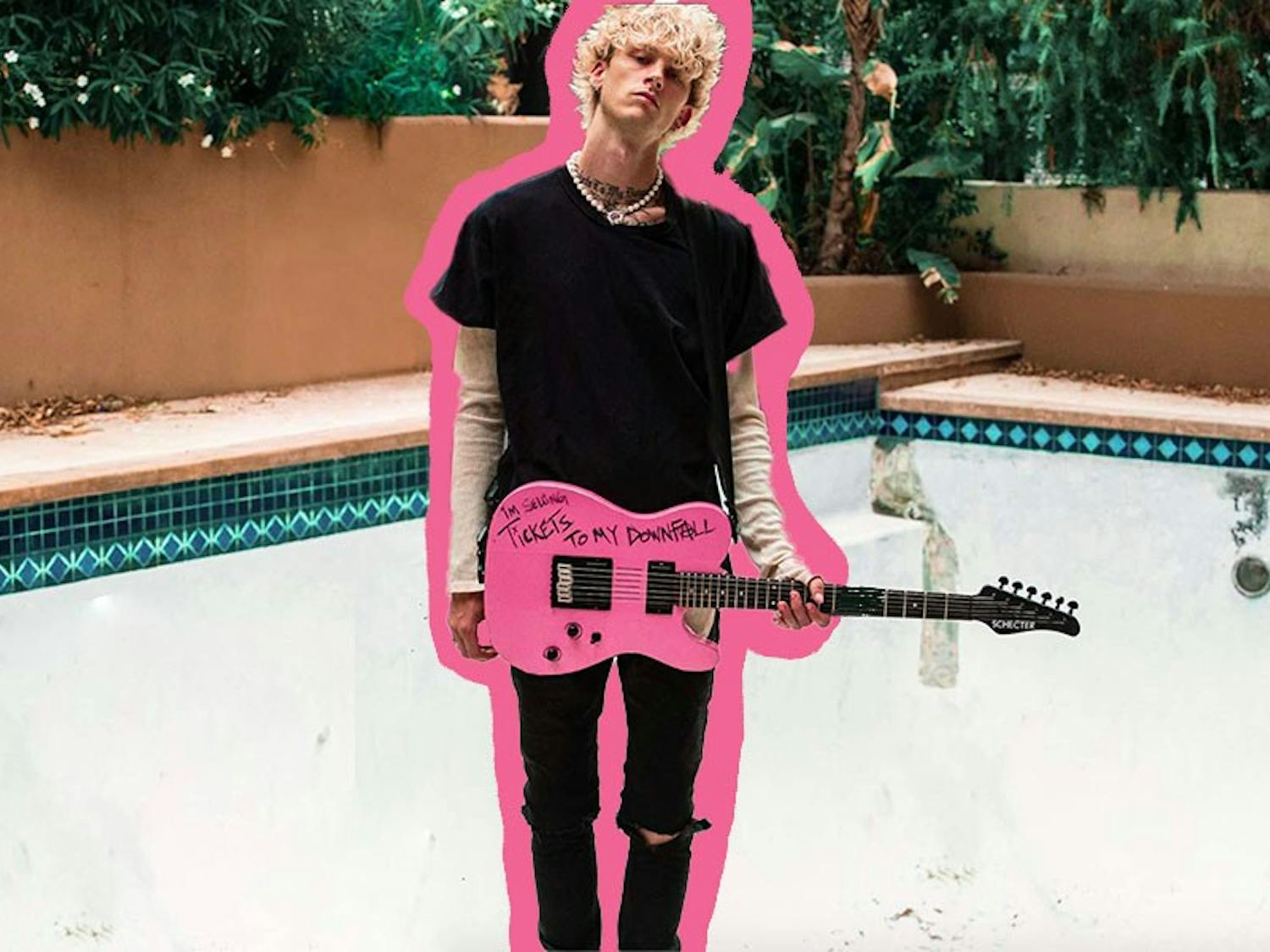
The artist’s latest venture transcends genre and explores emotional vulnerability.
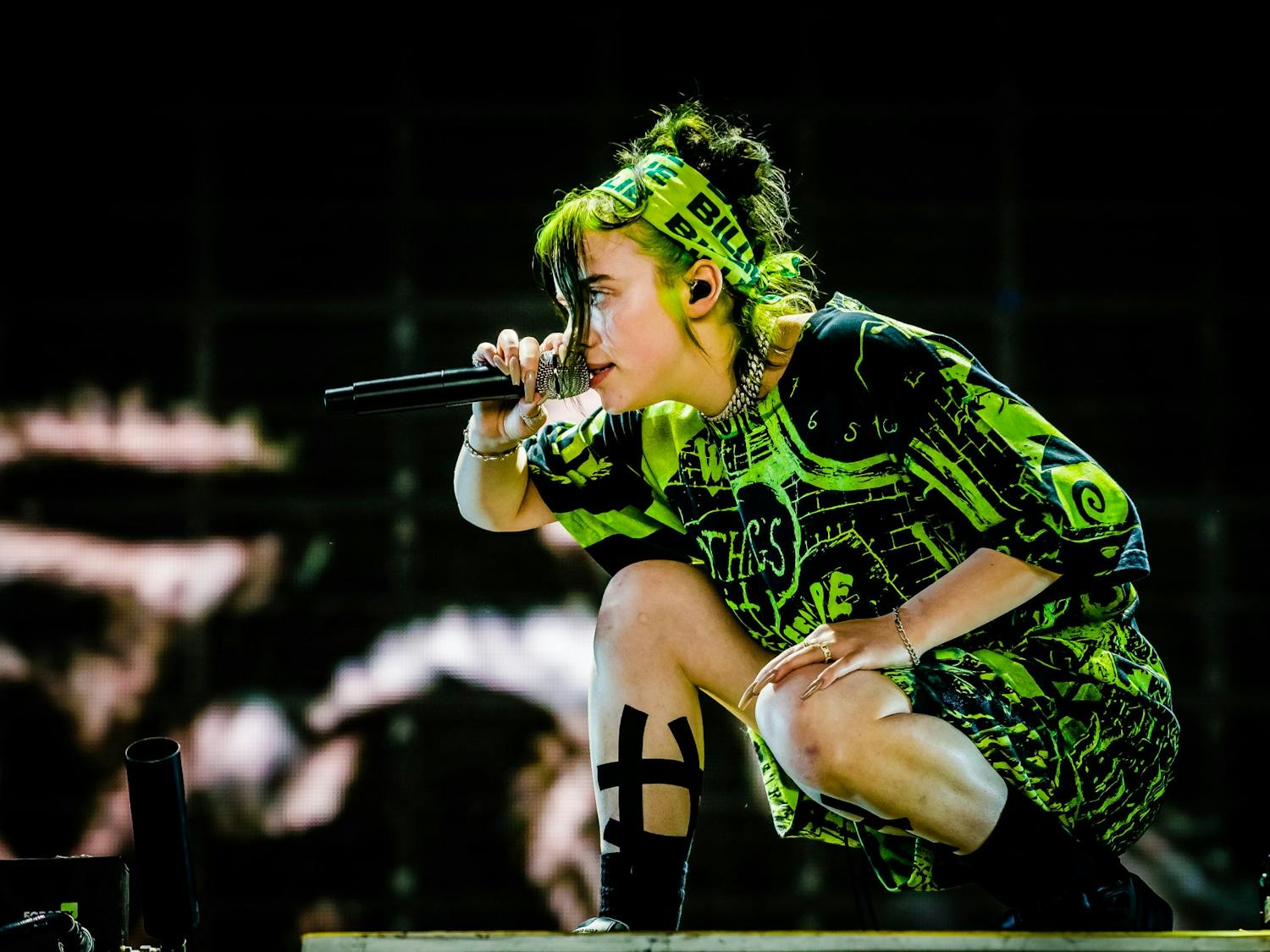
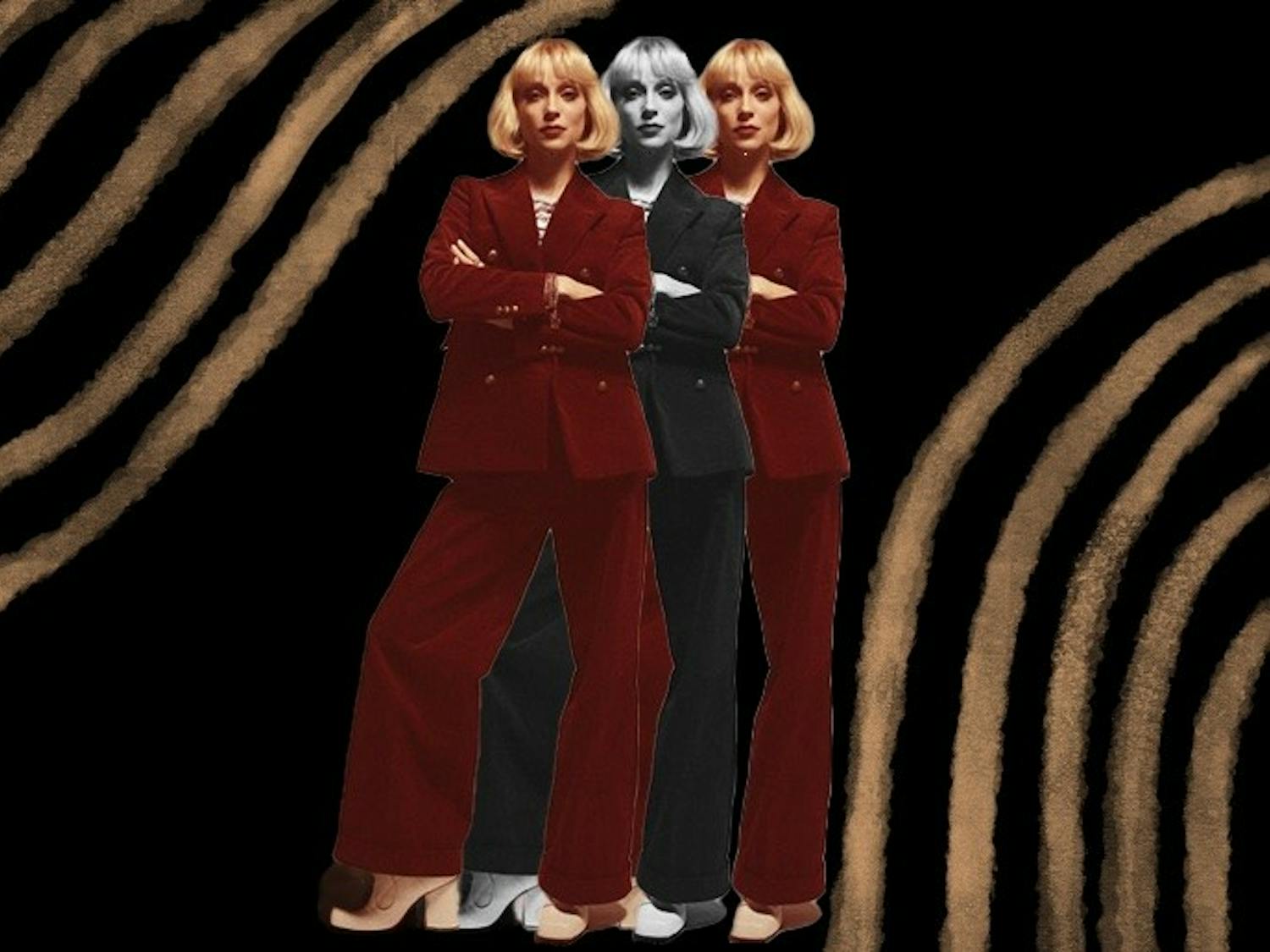
The recently released album greatly outshines her previous one.
Producer favoritism rendered the season boring and predictable.
There were no big upsets or technical difficulties this year.
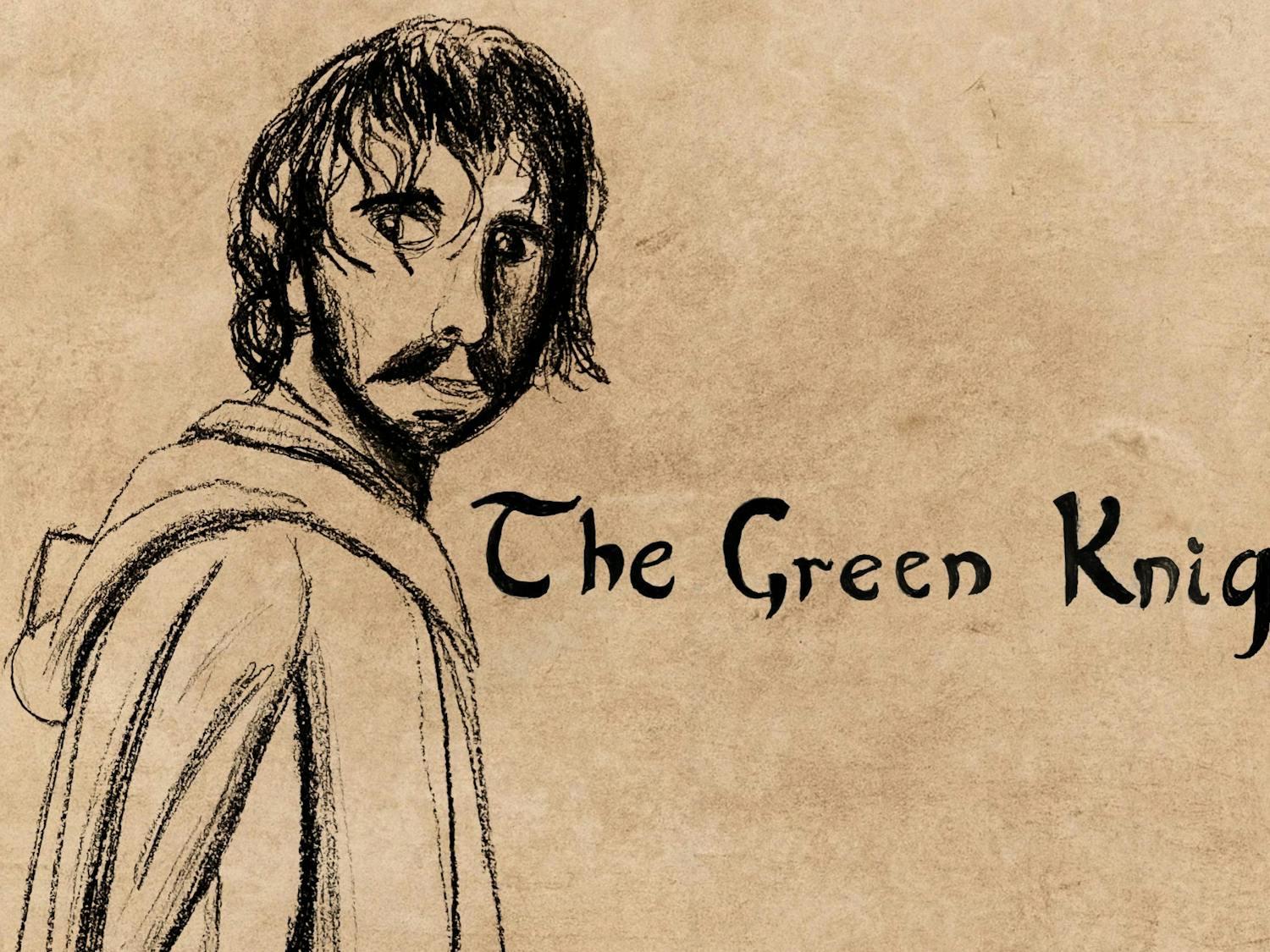
The limited series on serial killer Charles Sobhraj starts strong but ultimately falls flat.
HBO’s new series follows an ensemble cast of teenagers as they navigate high school, narcissism and their own sexuality.
This year's Grammy Awards was held outside in a dynamic, socially distanced ceremony.
Despite a sometimes uninspired chamber pop sound, the Weather Station offers a lyrical and articulate contemplation of environmental issues on their newest album.
No other band has had as inconsistent a career as Weezer has. After achieving critical and commercial success with the power-pop of their 1994 self-titled first album, the darker direction of Weezer’s second album, “Pinkerton,” initially drew negative reviews, despite later achieving cult status. Lead singer Rivers Cuomo’s embarrassment over “Pinkerton” led to a long series of albums in the 2000s full of safe, boring pop music that lacked the magic of Weezer’s early work. While the band did produce a couple of albums I enjoyed during this period, particularly 2016’s “White Album,” they reached a low with 2019’s “Black Album.”
For the better part of the decade, experimental hip-hop group Clipping — stylized as clipping. — has played a pivotal role in the revitalization of horrorcore. Consisting of rapper Daveed Diggs — known for his role as Marquis de Lafayette and Thomas Jefferson in the 2015 Broadway hit “Hamilton” — and producers William Hutson and Jonathan Snipes, Clipping prides themselves on taking elements of horror films and transforming them into musical form. The trio’s name perfectly encapsulates their production style, as harsh, industrial noises overlay unnerving, spine-tingling screams and discord.
“Enola Holmes” — one of the newest entries to Netflix’s catalog, based on the young adult series by Nancy Springer — is a fun, adventurous and action-packed film that brilliantly reinvents the Sherlock Holmes franchise. Directed by Harry Bradbeer and written by Jack Thorne, “Enola Holmes” centers on the life of the youngest Holmes sibling, Enola (Millie Bobby Brown), and her journey to reunite with her missing mother while forging her own sense of freedom. While the film contains some elements of the classic Holmes mysteries, it adds a new twist with its focus on social activism and female intellect. From start to finish, the film successfully creates a world that places a strong-willed heroine center-stage, offering a timeless lesson on female empowerment.
Silvia Moreno-Garcia’s New York Times best-seller “Mexican Gothic” is a lush, moody story brimming with horror and mystery. With all the trappings of a Victorian novel, “Mexican Gothic,” which was released in June, calls upon notable doomed heroines in the literary canon, from Ophelia in “Hamlet” to Cathy in “Wuthering Heights,” in order to place readers in its melodramatic prose. “Mexican Gothic” is your favorite Brontë novel, but better.
Yaa Gyasi’s follow-up to her American Book Award-winning 2016 debut “Homegoing” is “Transcendent Kingdom,” a novel alternating between past and present in the life of Gifty, a Ghanaian-American neuroscience Ph.D. candidate and former self-proclaimed “Jesus Freak.” Throughout the book, Gifty, who studies impulse control in mice, reexamines what led her to a life of empiricism after growing up in a deeply religious immigrant family in the Bible Belt. Grappling with Gifty’s experiences growing up “sticking out like a sore thumb” in her predominantly-white town and “as Ghanaian as apple pie,” the novel is both accessible and urgent.
Just when I thought Taylor Swift had surpassed every semblance of an expectation, she proved to be even more of a superwoman. The release of her eighth album, “folklore,” on July 24th comes only 11 months after the cheerful and flowery “Lover.” Written and recorded entirely in quarantine, “folklore” is a testament to the singer’s creativity as a musical powerhouse. “Folklore” stuns with its ethereal beauty and maturity, expressed through intelligent lyrics and gentle, haunting melodies.
In a genre as old as folk, it can be hard for anything to stand out against the large body of work comprising the genre’s canon. Artists like Bob Dylan, Woody Guthrie, Joni Mitchell and Paul Simon cultivated the sound that became associated with folk singer-songwriters in the middle of the 20th century. While the sounds they played were by definition based on earlier American musical styles, these artists sounded novel and each presented a unique brand of folk. In recent years, however, artists like Ed Sheeran have figured out how to soullessly manufacture the singer-songwriter formula by repeating the same tired sound again and again. Faced with a barrage of mediocre music, modern folk singer-songwriters have been forced to innovate in an attempt to stand out.