
On Sept. 19, the Rauner Special Collections Library announced its acquisition of a palm-sized manuscript of the Magna Carta dating back to 1300. The manuscript joins more than 140,000 rare books and millions of individual manuscripts available to students and researchers at Rauner, according to Dartmouth Libraries’ website.
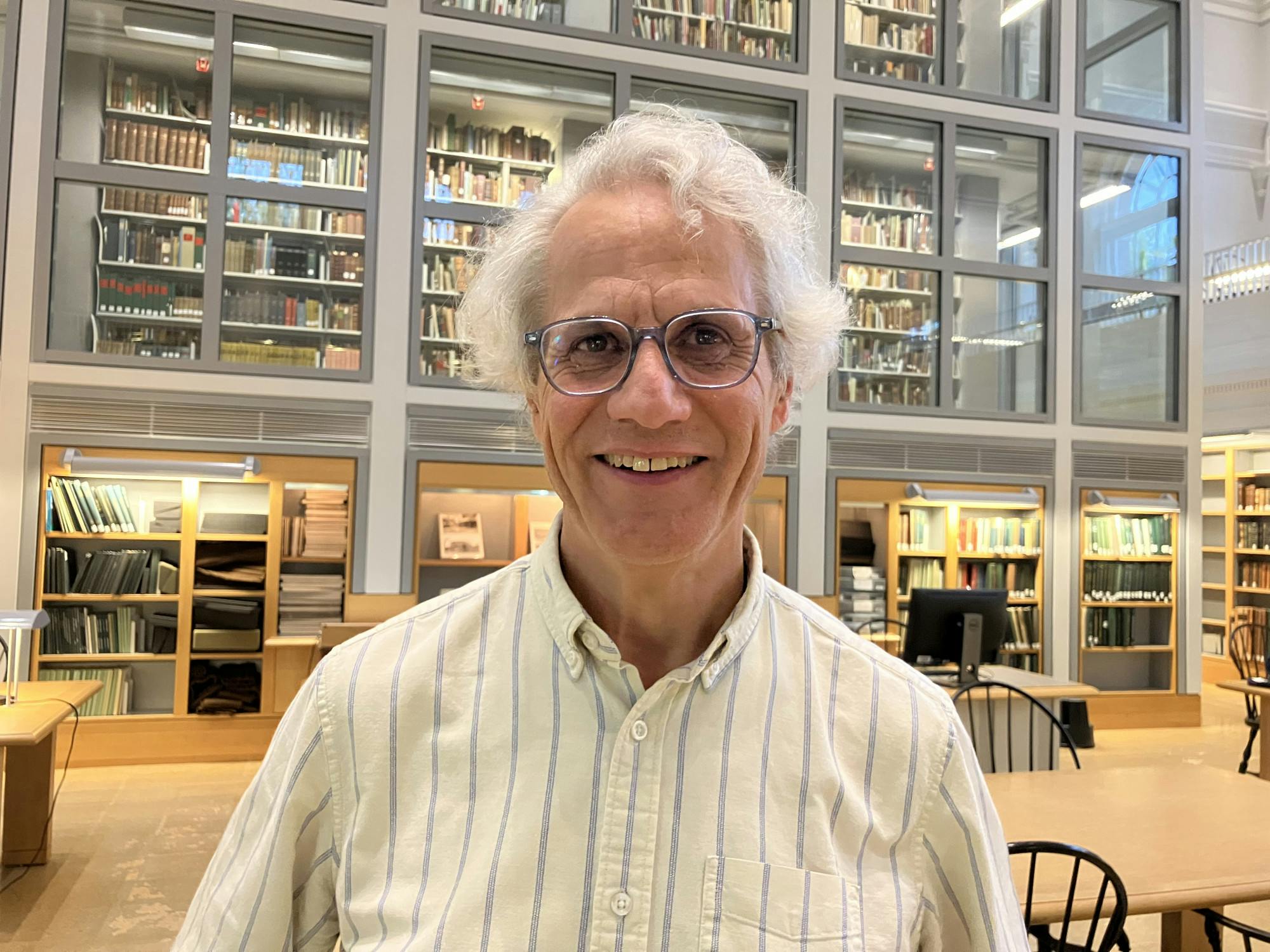
The Dartmouth sat down with special collections and archives head Jay Satterfield to discuss the Library’s process of acquiring archival collections.
What makes an archive the right one for Rauner?
JS: We try to acquire materials that will support the curriculum. With any course taught at Dartmouth, there is probably something in the collections here that will make that course more interesting.
We tend to have what appears to be eclectic buying patterns because we’re buying something for a women’s studies class, something for an Arctic history class and something for a medieval history class. It doesn’t appear that coherent, but it is actually very coherent because it’s laser-focused on the curriculum.
How exactly was this copy of the Magna Carta acquired? Was there anything different about the process of acquiring it compared to the other archives you have here?
JS: We purchased it through a dealer. There’s a lot of different ways things come into the collection. We get things through donation. We got this amazing gift this last year of a first edition of the Federalist Papers. We get dozens of electronic catalogs from dealers all over the world every week, and so we review catalogs constantly, looking for things that would make our collections stronger and make them more useful for the Dartmouth community and even for the worldwide scholarly community.
How do you balance preserving archives and making them easily accessible for researchers and students?
JS: We are quick to bring our materials out for people and want to make sure that they are in the hands of students and researchers so they can get their full value. If we bought something and then didn’'t let anybody see it, there would be absolutely no point, right? We try to achieve a balance where we respect the individual object and its needs while trying to get the most out of that object that we can.
The other thing is that the library has a really fabulous conservation and preservation department. If something does start to show signs of wear, they’ll come in and do repair work on it so that its physical integrity remains intact and it can continue to be used. We want to maximize that actualization of the potential while at the same time respecting the object and preserving it for future generations.
Do the endowments influence or direct what archives Rauner ends up purchasing?
JS: To some extent. We have many endowments that have been set up by individuals or foundations that are earmarked for a certain thing. It’s locked down. I have money every year that I can only spend on polar research material. I have other funds that are more open. We manage our endowments very carefully so that when something like the Magna Carta does come on the market, we’re able to respond to it.
Is there anything on your acquisition wish list that you’re looking at and you really want to bring to Rauner?
JS: There’s some things that I would love to have, but they’re just way too expensive. One of them is a medieval manuscript, ideally from the humanist period from Italy of Dante. We have a lot of big names, but we don’t have Dante. Also, I would love a nice chunk of papyrus from a couple thousand years ago that has a chunk of the Iliad on it.
What’s the most unexpected use of an archive from Rauner that you’ve seen during your time here?
JS: I don’t even know how to answer that one because I expect them all nowadays. People love to come in and take pictures of this stuff and stick it on their Instagram. Then there’s people who use our collections as inspiration for art projects or research to write books. We love the materials here and we take great joy in sharing that love. I get a vicarious thrill every time I see somebody see a manuscript for the first time because they get so excited that they’ve never seen that before.
This interview has been edited for clarity and length.


