
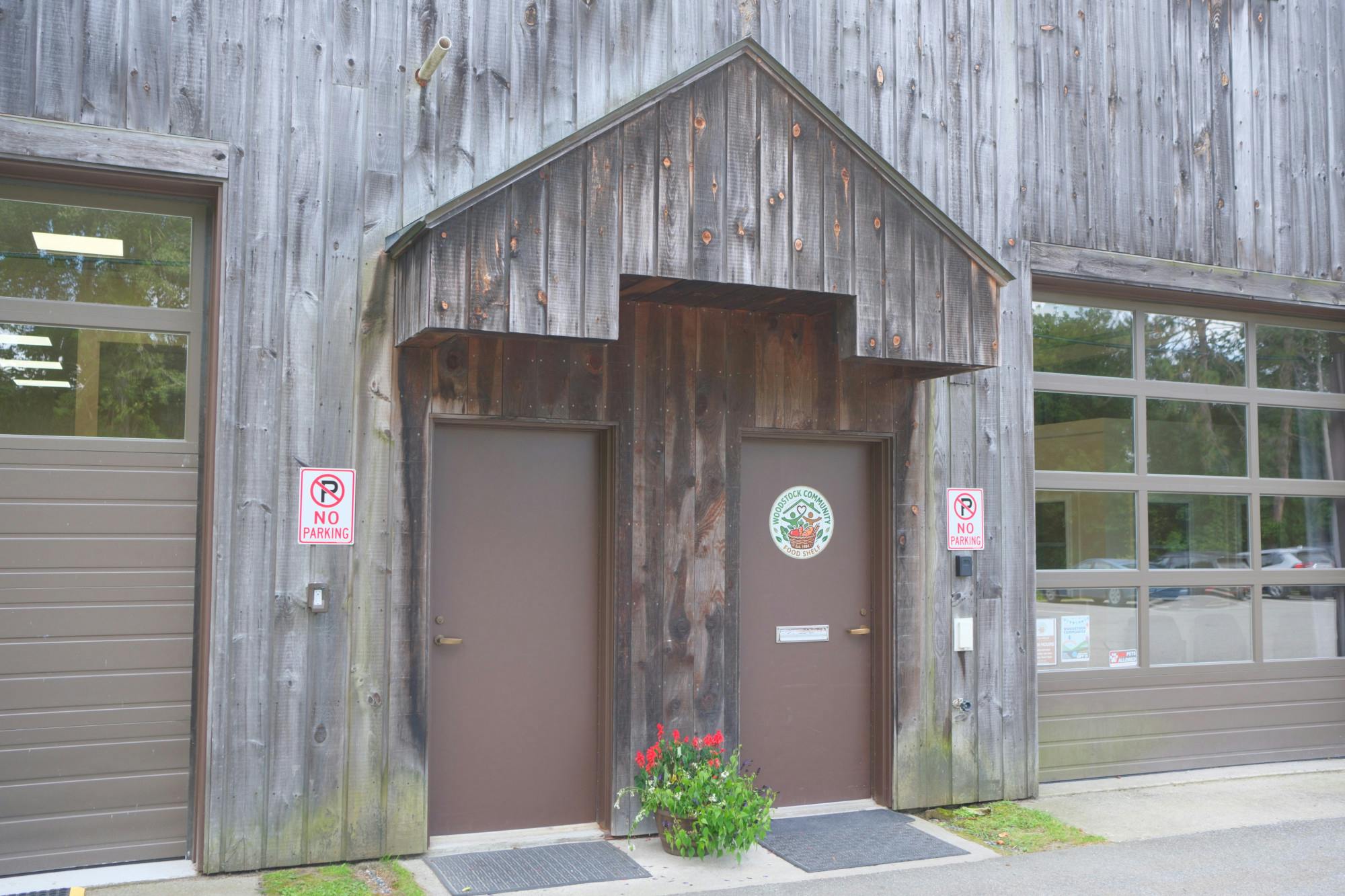
The Woodstock Community Food Shelf, a food pantry in Woodstock, Vt., moved to 21704 Maxham Meadow Way Unit 1E, just down the street from its previous venue, in July.
The new space, which was purchased by the nonprofit organization for $415,000 in June, is 1,900 square feet. The previous location, which opened in 2009, was 700 square feet.
Operations at the new location began on July 11, only three days after the closing of the previous location. The food shelf is open on Mondays, Wednesdays and Saturdays.
Food shelf director and board chair Judi Greene said in an interview with The Dartmouth that the food shelf is “fortunate” to have received donations from four community members, including the Green Mountain Foundation, the Acadia Fund, and anonymous donors, who made the move possible.
Greene said that the new space is “big and wide open,” which has helped increase the rate at which the pantry can serve clients.
The previous space was “really confined. We were limited to only moving people through two at a time where here we can move people through six or seven at a time,” Greene said. Reopening in the new space has “really cut down on the wait times for our guests.”
The food shelf is operated by 43 volunteers. All food purchases are made using the organization’s budget, as opposed to solely relying on food donations, and there is “no source of income except for donations,” according to Greene.
Greene said that there has been a 200% increase in people coming to the food shelf over the last five years, catalyzed by the COVID-19 pandemic and the Trump administration’s changes to Supplemental Nutrition Assistance Program benefits and eligibility.
“We’re getting more donations, but we’re also getting a lot more clients,” she said.
Woodstock municipal manager Eric Duffy said that while the food shelf is an independent entity, the town is in “full support” of the project. He added that food insecurity is an issue that “absolutely” needs to be addressed in Woodstock. Vermont had a food insecure population of 83,570 in 2024 according to data from Feeding America.
“The pantry plays a very vital role in ensuring that people can continue to live in Woodstock and have [the] food they need to survive,” Duffy said. “So it’s a massive benefit to us.”
Duffy said that there has been a “massive intake” at the pantry in the last year. He added that, in the midst of food insecurity and other social issues, Woodstock is “one whole community helping each other out.”
“We’re just lucky that the pantry is here in Woodstock and helping our residents, and we’re very supportive in any way we can be of them and their mission,” he said.
Greene said that as the clientele has grown, the food shelf’s budget has “really changed.” The pantry spent just under $60,000 on food during the first six months of 2026, compared to an annual budget of $85,000 ten years ago.
Harmony Wilson ’28, who said she has relied on the College’s food shelf in Kellogg Hall to supplement her meal plan in the past but has not been to the Woodstock pantry, said that food in the Upper Valley can be “very expensive,” and that food shelves and pantries are “helpful for people that are at little bit of a disadvantage.”
“I am first-generation, low-income, so I tend to find it hard to have food access, especially outside of using the dining halls, like Novack or [Class of 1953 Commons],” Wilson said. “I tend to want different options, especially if I am gonna cook.”
Wilson added that “solidarity” is important to keep local communities working together to address social inequities. “I think it is good to have these communities that work together and create these opportunities for other people,” she explained.
Greene said that “contributions large and small” from the community allows the food shelf to continue fulfilling its mission.
“The most important thing is it’s given us a permanent home where we will be able to welcome guests for eternity,” Green said. “We’ll be able to continue to support the families who we are currently supporting and any new ones that come through our doors.”
Jared Gonzalez Arce '29 is a news reporter from California majoring in history. Out of The D, Jared is in surf club and loves music.


