Sydney Kamen '19 recognized as Truman Scholar
Sydney Kamen ’19 has been recognized by the Harry S. Truman Foundation as one of 59 Truman Scholars for 2018.
The John Simon Guggenheim Memorial Foundation awarded three Dartmouth faculty members Guggenheim Fellowships on Apr.
Earlier this month, Folk — a small retail shop located on Allen Street in downtown Hanover — announced its plans to close at the end of the spring or early summer.
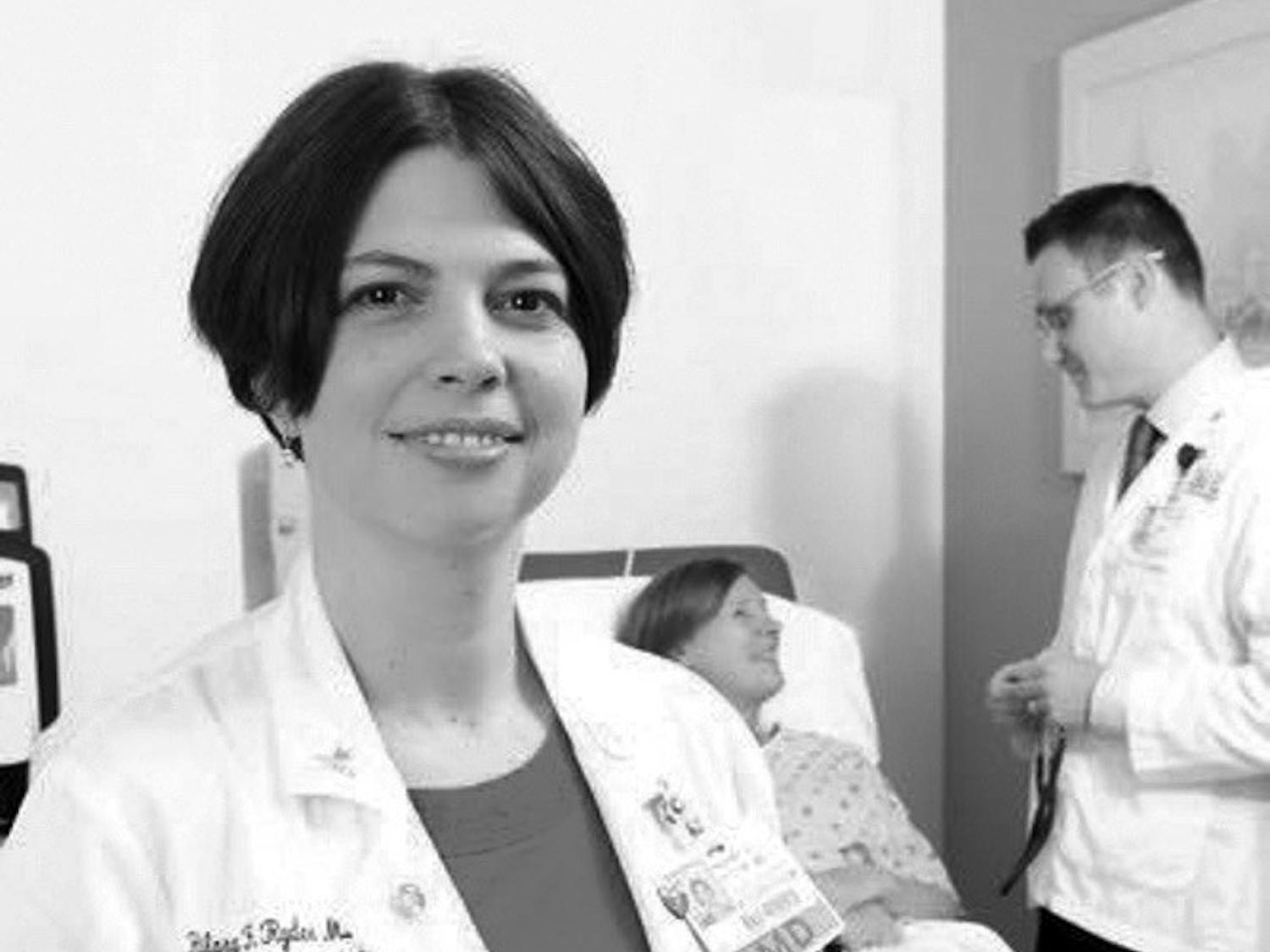
A national study featuring multiple medical centers by Dartmouth-Hitchcock Medical Center aims to improve the quality of care that multiple sclerosis patients receive.
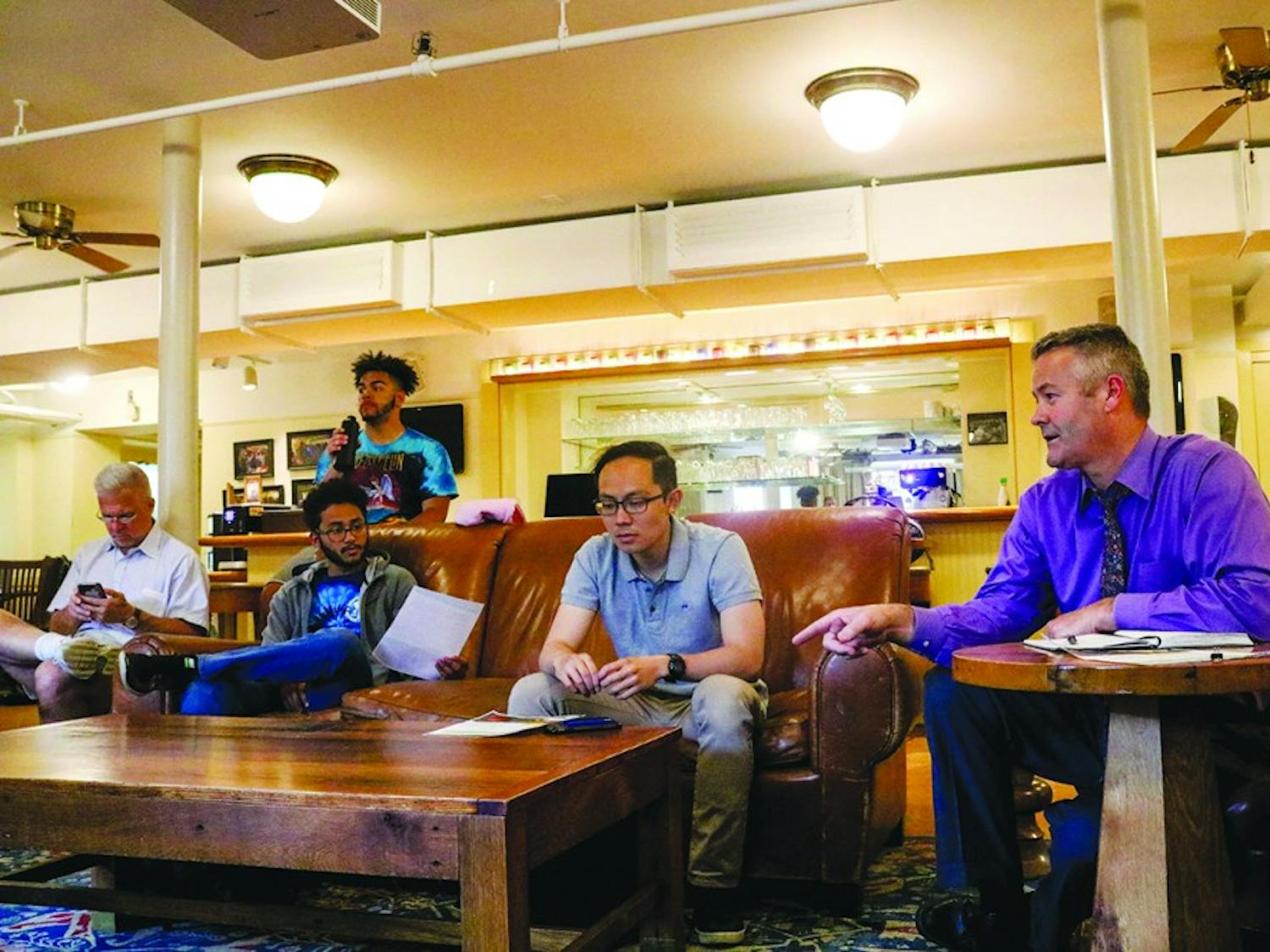
“Do you miss BarHop?” asked a campus-wide email on Apr. 13. The invitation urged students to come to “Clubhouse,” a social event being hosted that night by the house system to replace BarHop, a program which has been on hiatus since May 2017.
Monik Walters ’19 will become the first black female Student Assembly president in Dartmouth’s history.
Hanover’s most controversial animal resident is back in town. The black bear first spotted in the fall of 2016 has returned — this time with four new cubs in tow. Their return marks the latest episode in a saga that attracted national attention last May.
The office of planning, design and construction is currently renovating Dana Hall and demolishing Gilman Hall, which are both located on the northern side of campus near the Class of 1978 Life Sciences Center.
Geisel School of Medicine students Nick Valentini MED’20 and Karissa LeClair MED’20 launched a paramedicine program that partners medical students with local paramedics and emergency medical technicians to provide primary care service for residents in the Upper Valley, the first of its kind in New Hampshire.
Monik Walters ’19 and Nicole Knape ’19 have been elected as Student Assembly president and vice president, respectively, in a race that saw 1,789 ballots cast — a near-record number.
Bruce and Diana Rauner ’78 have donated their collection of novelist and screenwriter Mario Puzo’s draft manuscripts, correspondence and other records to the College’s Rauner Special Collections Library.
Researchers from Dartmouth’s Ke Research Group, which is led by chemistry professor Chenfeng Ke, have developed a “smart ink” that reacts to particular signals, such as heat or other chemicals, for 3D-printing applications.
On May 8, Hanover voters will decide whether to amend the town’s voting system for its budget. Proponents say the change will allow more voter participation in the budgetary process, but opponents such as Hanover town manager Julia Griffin warn that it could allow the process to be abused by small groups of individuals, noting that “the devil is always in the details.” Under the current system, town staff propose a budget to the Hanover select board, which then holds a series of public hearings and finalizes the proposed budget based on feedback.
The 7th Annual Student and Presidential Committee on Sexual Assault Symposium on Apr. 13 presented progress made on the last year’s projects, which included a “Survivors of Sexual Assault Handbook,” a flowchart and feedback form for survivors, student research and other initiatives.
On July 1, Rabbi Meir Goldstein will start his tenure as the Michael Steinberg ’61 Rabbi and executive director of Dartmouth Hillel.
When Eric Thorpe ’18 first started watching Jeopardy! with his roommates Jacob Cutler ’18 and Andrew Boules ’18, he never imagined himself representing the College for the Jeopardy!
Dartmouth has been ranked in the top 6 percent of institutions nationally for best practices for sexual violence prevention based on an assessment by educational technology company EVERFI.
Jamaican-Thai curries, jerk chicken, live music, 15 percent discount for Dartmouth students — Leya’s Island Grill offers many attractions for the Hanover community.
Government professor Brendan Nyhan has joined 15 other scholars from different disciplines in calling for increased interdisciplinary efforts to study and eventually counter the spread of “fake news.” In an article published on March 9 in the journal Science, the 16 researchers discussed potential interventions that may effectively stem from “the flow and influence of fake news.” “[The article] was basically a call for action,” said Brown University cognitive, linguistic and psychological sciences professor and article co-author Steven Sloman. Harvard Kennedy School global communications and public policy professor Matthew Baum, one of the article’s authors, added that the article was a response to “concerns about the political environment, especially the problems with information.” According to the article, social bots — automated accounts impersonating humans — are estimated to take up nine to 15 percent of active Twitter accounts and 60 million Facebook accounts, and can magnify the spread of fake news online by liking, sharing and searching for information.
Did you know that the amount of space you leave between yourself and others during conversations indicates your attitude toward those conversations?