
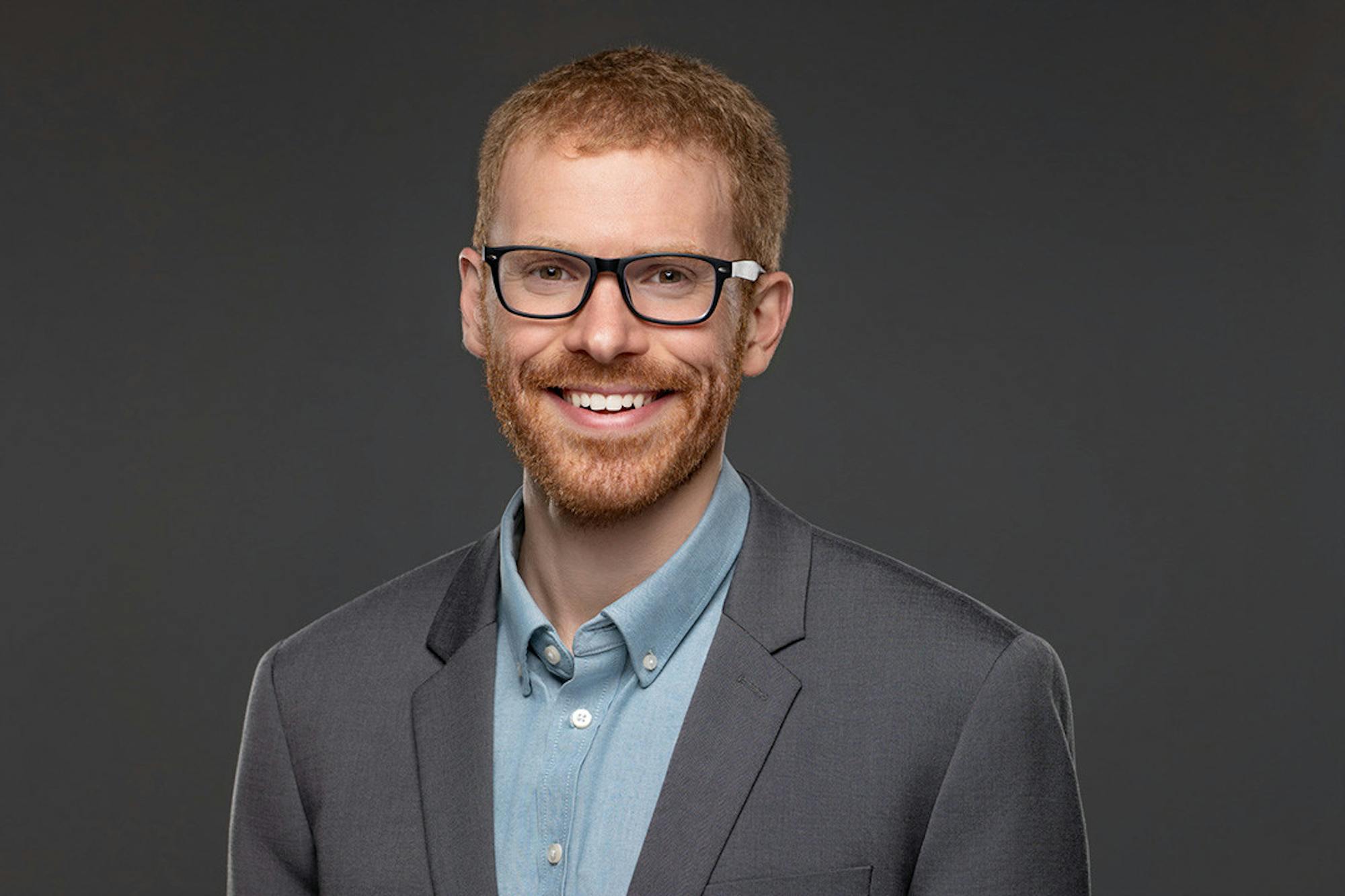
Over a year after artificial intelligence therapy chatbot Therabot’s first clinical trial on March 27, 2025, The Dartmouth sat down with biomedical data science, psychiatry and computer science professor Nicholas Jacobson, who developed Therabot alongside Geisel School of Medicine psychiatry professor Michael Heinz. Jacobson is also the technical lead at student wellness platform Evergreen.
The Dartmouth, which previously interviewed Jacobson after Therabot demonstrated symptom improvement among participants who experienced anxiety, eating disorders and depression in that first clinical trial, sat down with Jacobson again to discuss Therabot and Evergreen’s progress on campus since.
You began developing Therabot in 2019. Where does this project stand now in 2026?
NJ: It is essentially a generative AI-based intervention with chat interfaces, a voice mode and an animated avatar. The product itself has been tested in a randomized controlled trial and two other trials that are nearly wrapped up. A lot of the work is trying to make sure that Therabot is safe and effective, and we have found evidence so far that it is safe and effective for depression and anxiety, and folks that are at high risk for eating disorders.
The product is intended to really be for clinical populations. I do want to make it something that does see the world outside of these trials but in a judicious way, with good clinical oversight. We are essentially trying to make sure that there is direct oversight of Therabot, as it’s deployed in ways that will allow it to scale to enable access to more folks that would benefit from it.
What do you see as the biggest risks and also biggest benefits of AI mental health chatbots?
NJ: The biggest risks are the same as the biggest benefits: They can say things you’ve never told them to say. That fluidity is the double edged sword. You need many different safety systems, consistency and evaluation of these things.
Folks are really concerned about the risks because of events happening from general purpose AI chatbot products, and I think with good reason. But one of the things that I think is less well-known among the public is how common harms are from psychotherapy itself. There are clinicians in routine practice that will have a negative impact and have folks that deteriorate under their care.
One of the trials that we want to run is a direct comparison against what humans are providing, in large part because I don’t think that Therabot is any more dangerous than routine clinical care. I think Therabot may be better than the current standard is in general patient science.
How is Evergreen different from Therabot?
NJ: Therabot and Evergreen are pretty different in focus. If you were to think about where mental health is, Therabot is towards clinical populations, clinical targets and trying to work with folks that are struggling quite a bit.
Evergreen is meant to target and optimize for flourishing, which is things like trying to find meaning in life, a promotion of goal-seeking behaviors and also happiness and pleasure. Evergreen is very different in that it’s being developed by students for students; it’s tailored to Dartmouth. It tries to be something that will actually reach out based on information that folks will grant it access to.
When students are installing Evergreen, there are optional channels that allow Evergreen to essentially tailor decisions that are made based on things that we could observe — Canvas data, for example. We’ve learned a lot while creating Therabot, and that knowledge has been helpful in thinking about designing Evergreen.
In January 2026, you and Michael Heinz published an op-ed opposing the New Hampshire Senate Bill 640, which would require a licensed clinician to review every exchange that patients have with any therapy chatbot. What was the thought process behind the argument?
NJ: The bill that was proposed within the Senate ultimately did not pass the House. I think there were a number of issues within the bill. A lot of this legislation is proposed around unlicensed practice. There’s a bit of an oddity around approaching AI as an unlicensed clinician because it almost endows it directly as a human entity. When you actually think about a clinician and their licensor or clinicians, one of the major steps is that they show levels of competency through passing a licensing exam or having a certain number of hours that would be supervised. One of the things that this law was proposing was that clinicians would need to review every message that was sent from a bot, and in doing so, they would also be the party that is responsible for what it’s saying. That puts the onus of liability on the clinician as opposed to the company that’s developing this generative AI-based system.
I do think there should be regulation around medical chatbots. Unfortunately, most of the bills that exist right now have direct exemptions for things that are not intended as these therapeutic style products, and that would carve out most of the products that exist in a general purpose way.
A lot of big companies that are providing general purpose AI know that it’s being used to support populations with mental illness. They have disclaimers related to this, that it shouldn’t be used for clinical purposes, but they’re aware that this is an exceedingly common use case. There should be incentives for them providing care in this way, based on what’s functional as opposed to what’s claimed. Consumer protection style laws would apply to the framing of what the actual intention is and the harms that can result from mental health AI therapy.
How do you hope that Dartmouth students take advantage of these tools as they keep developing?
NJ: We have a trial happening right now within Evergreen. It’s a structured chatbot, so there’s no generative AI-based interface. It will learn with students.
Next year we are starting the trial of the generative version of Evergreen, and that would be another thing I hope that students participate in. We’re designing it to try to be maximally safe and effective, but ultimately, we need to see the data of how that actually looks like with real Dartmouth students. We have trials coming up on both the structured chatbot and generative AI based interface within the fall right now, and then in 2027. There’ll be a lot of opportunities to learn and we’ll need to make sure that it’s safe and effective before it sees anything outside of a research setting. We expect that it will be, but I do hope that Dartmouth students are interested enough and could potentially benefit from Evergreen.
This interview has been edited for clarity and length.
Isabela Pierry ’29 is a reporter from New York and is majoring in comparative literature and government.


