On July 1, the Working Families Tax Cut Act student loan provisions went into effect. The measure, passed last year under President Donald Trump as a part of the administration’s ongoing work to reshape federal higher education policy, increases monthly dollar payments on student loans, eliminates several repayment options and imposes stricter borrowing limits. Loan limits are expected to mainly impact graduate and professional students, who will now have significant aggregate limits on their federal loans, leading to higher out-of-pocket costs for some students.
Students who borrowed federal student loans before July 1 and do not plan to take out new loans will not face any changes to their borrowing limits. However, according to the Federal Student Aid website, they will not have access to the new Tiered Standard Plan, which is the new fixed-rate repayment plan that allows borrowers to make lower monthly payments at the start of repayment that gradually increased over time with interest. The WFTCA also ended the Biden administration’s SAVE Plan, an economical student loan repayment system in which 7 million people were enrolled — according to Student Loan Borrower Assistance.
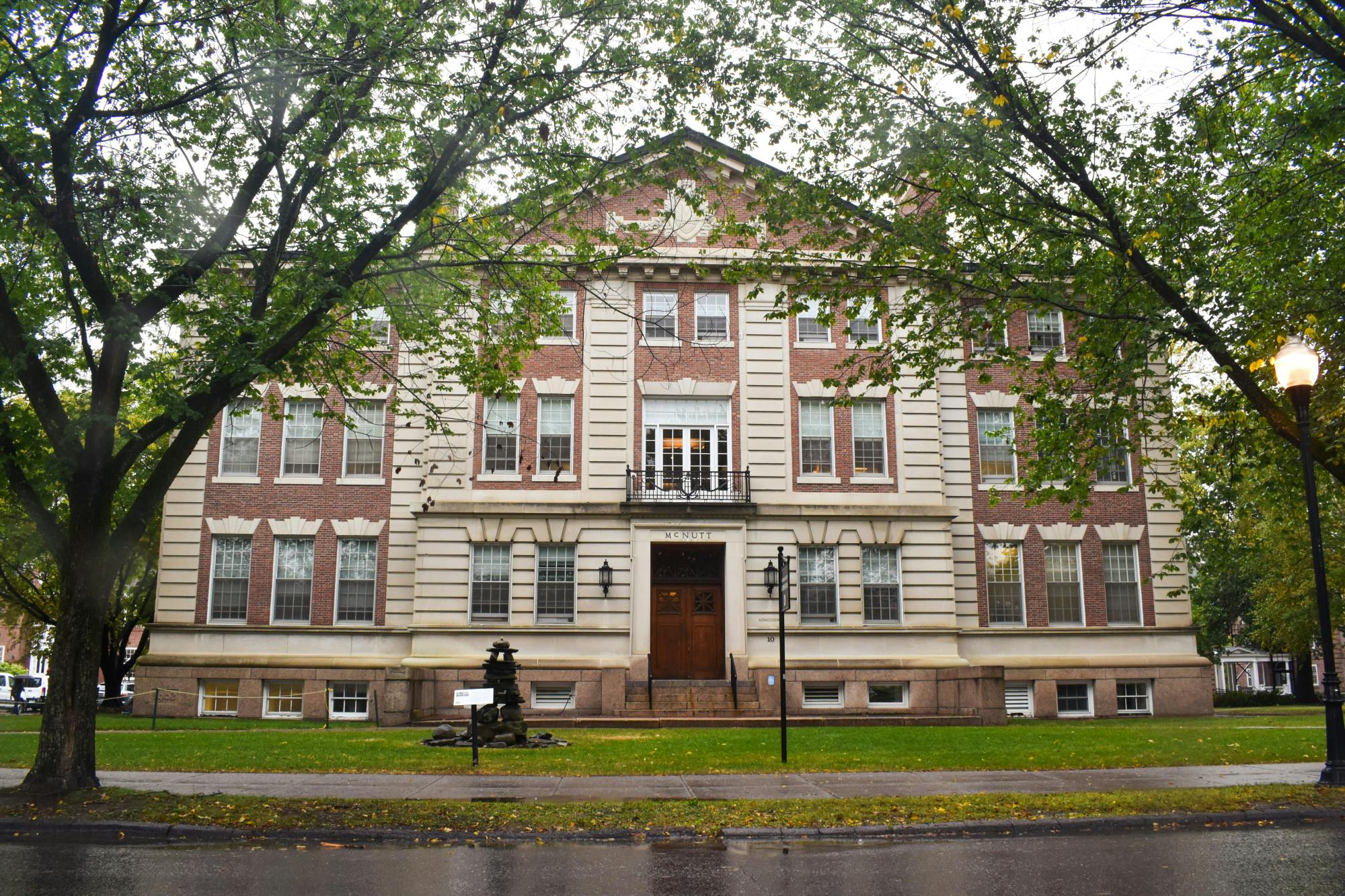
Dartmouth financial aid director G. Dino Koff said that the new law primarily affects graduate students whose loan limits are “capped” and also includes the “elimination of the graduate PLUS Loan.” Also known as the “Direct PLUS Loan,” it previously allowed professional students to borrow up to the cost of attendance but now has limits based on the type of program, borrowing history and other federal loan limits as applicable, according to Federal Student Aid.
“This new law is one of the biggest changes in the federal loan system in generations,” Koff said.
These changes also impact “returning students” — those who were already enrolled before the new measure took effect — who “don’t meet the limited exception” qualifications. To qualify, students must have had no break in enrollment as of July 1 and borrowed a Direct Loan before July 1, according to Federal Student Aid.
“Dartmouth Financial Aid has been working for the last couple of months, identifying students that are returning students, but not meeting the legacy requirements, so they fall under the new funding guidelines,” he said.
According to Koff, the Financial Aid office has begun advising students to turn “to the private loan market to fill the gap” created by new restrictions on the amount provided from federal loans.
“The reliance on federal loans for some students is no longer an option, so this private, alternative loan will be very important,” he said.
Koff added that the Financial Aid office’s “biggest concern” is a student who was previously able to get federal funding but doesn’t “have access to good credit” or a “cosigner” to secure a private loan.
“It’s still early in the funding cycle for us, as many [academic] programs don’t start until the fall, but we are working with families again to sort of identify all the options for the applicants,” he said.
In an email statement to The Dartmouth, College spokesperson Jana Barnello wrote that Dartmouth’s undergraduate financial aid packages “do not include loans.”
“We meet full demonstrated need with scholarships, grants and student employment so this change to federal borrowing limits does not affect our undergraduate students’ aid packages,” she wrote.
Dartmouth Minority Association of Pre-Health Students vice president Khang Lam ’28, who plans on attending medical school, noted that the differing financial aid packages offered from medical schools will “definitely [be] a consideration” for where he plans to apply.
“I think it’s going to change the types of schools that minorities are going to apply to, which should include going towards schools such as the NYU Grossman School of Medicine because it’s tuition free, or Albert Einstein [College of Medicine],” he said. “There could be more applications and more increasing competitiveness for this upcoming summer.”
Lam said that many of his pre-med friends “have expressed some sort of concern” and feel “super nervous” about what potential financial aid packages will look like, with some even considering different career paths and timelines as a result.
“Obviously this is a big issue, and even health professional advisors have told me that one or two gap years might be of interest,” he explained. “The next presidency or cabinet might have better policies in terms of loans.”
Eliza Dorton '29 is a reporter from Washington, D.C. and is studying English and public policy. Outside the classroom, she enjoys reading and going on walks.