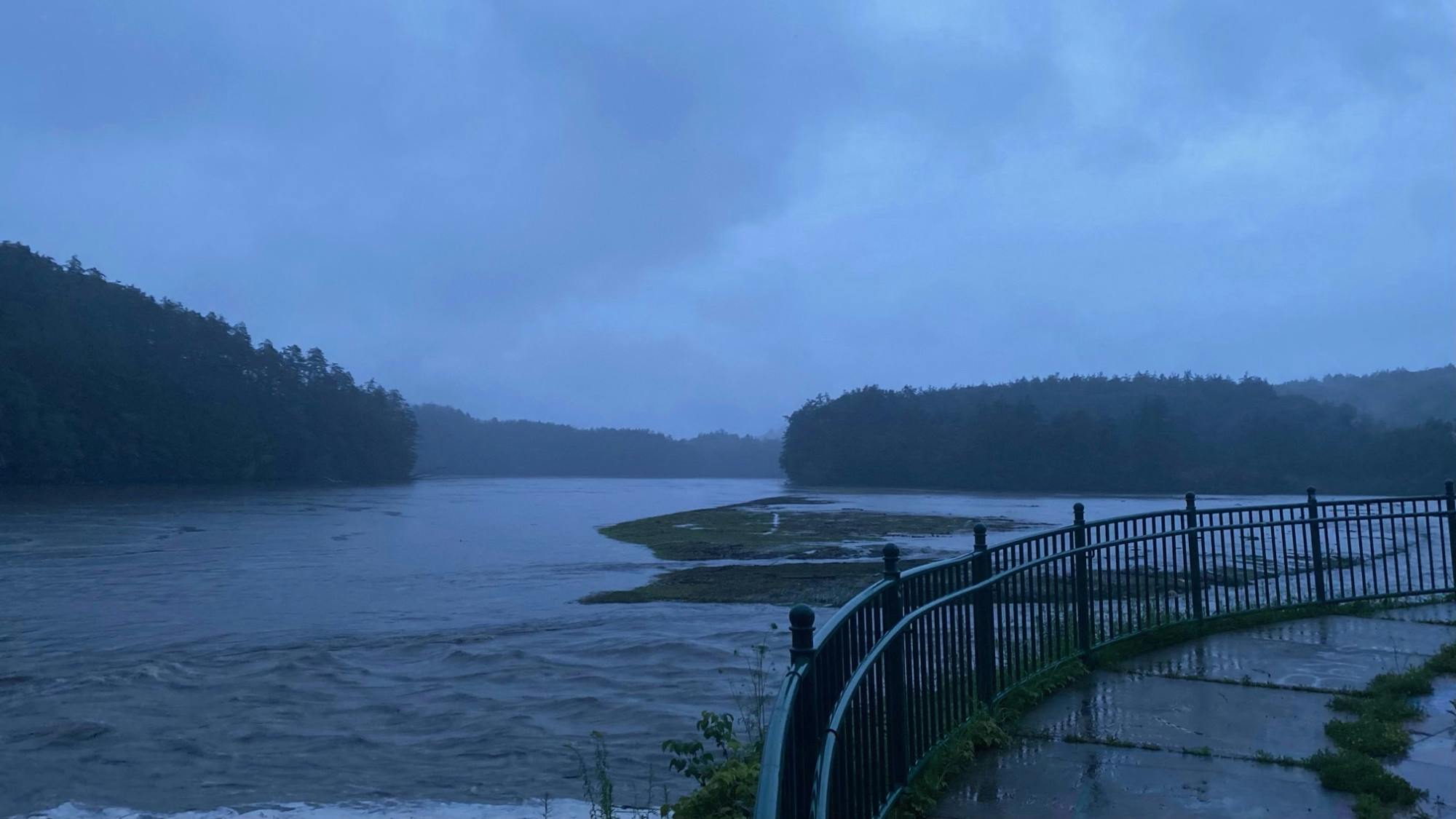
New Hampshire has been experiencing increasingly hot summers, with temperatures increasing an average of three degrees Fahrenheit since 1901. Climate change can exacerbate the occurrence of extreme weather events, and research has shown that extreme weather can disincentivize outdoor recreation participation. In New Hampshire, the outdoor recreation industry contributed $4.2 billion to the state’s economy and was responsible for 33,000 jobs in 2024.
University of New Hampshire professor and New Hampshire state climatologist Mary Stampone said in an interview with The Dartmouth that there has been an overall “increase in the frequency” of days with above 90 degree Fahrenheit temperatures over recent years. This increase leads to “a whole host of risks” related to extreme heat and heat exposure, she added.
“We don't have a lot of air conditioning in our buildings, particularly public buildings, municipal buildings, things like schools,” Stampone said. She added that because the state isn’t “acclimatized” to warmer weather, New Hampshire’s infrastructure may not be equipped to deal with extreme weather events.
The state also is both seeing “extreme” precipitation and experiencing more drought vulnerability compared to the past, Stampone said. It has invested in “adaptation work” to prepare for extreme precipitation and is working to limit greenhouse gas emissions, which result in increasing temperatures.
UNH Earth sciences professor Elizabeth Burakowski said that the state should “expect” to see temperature changes and extreme weather persist. Her research on climate change and outdoor recreation in New Hampshire found the long-term negative effects of extreme weather events on recreation “concerned” many recreation providers about the future of the industry.
“When we look at changes in extreme weather, it can mean reduced access to roads and trails that are providing recreational opportunities,” Burakowski said in an interview with The Dartmouth. “When we see warmer winters, it can mean less opportunities to make snow or a shorter snow season to attract visitors to our state.”
In an email statement to The Dartmouth, New Hampshire Department of Business and Economic Affairs commissioner Lucy Lange said that the state has had a “booming summer season” despite the recent heat wave that hit the Northeast beginning in June.
Lange said that the state experienced “strong early spending reports” and “packed destinations” on the weekend of July 4. However, she added that extreme heat and storms in the summer have put “immense pressure” on the state’s physical infrastructure.
In June, flash flooding led to road closures and damage in Carroll County, located in eastern New Hampshire. Following the flooding, Gov. Kelly Ayotte requested a federal disaster declaration and over $3 million in federal emergency assistance. The state has not yet received the disaster funding.
In an interview with The Dartmouth, state executive councillor Karen Liot Hill ’00 said she “wholeheartedly” supports the funding request, adding that it is important that the state makes “smart investments to make our infrastructure more resilient” to avoid increasing “taxpayer bills.”
Hill added that while extreme weather has caused flash floods and affected the length of the ski season, the weather changes are leading New Hampshirites to be “flexible and to adapt.”
The ski industry, for example, is “being resilient,” Hill said. “They’re figuring out ways [to make] the mountains a fun recreational attraction all year round, not just during the winter months.”
Earth and planetary sciences professor Erich Osterberg said that, in recent years, he has led students to partner with local communities and help them “develop climate-resilient solutions” to extreme weather events.
“So much of this work is being in person with these folks — getting to know their stories, their priorities, their values, their experiences — and then working together to figure out what the future should look like according to them and then helping them to achieve that,” Osterberg said.
University of New Hampshire Extension professor Shannon Rogers ’04 said she works with town planners and economic development directors to implement local solutions for communities adapting to extreme weather.
Rogers said that her research focused on creating “local” solutions on a town-by-town basis, such as providing heat advisories and more water refill stations to residents. She added that industries like the ski industry can also learn to adapt and have “year-round offerings at ski resorts,” such as mountain biking.
Burakowski said that as New Hampshire outdoor recreation changes, it is important to make sure visitors “feel welcome.”
“For some folks, it might be their very first time being in the outdoors, and they might have not had much experience out there, or maybe they’re looking forward to having a good time, but may encounter a weather event that impacts their travel,” Burakowski said. “And so being flexible as a provider, as a fellow recreator who’s out on the trail or out on the slopes, [is important to] making sure that all feel welcome here.”
Jared Gonzalez Arce '29 is a news reporter from California majoring in history. Out of The D, Jared is in surf club and loves music.