After getting into college, I wrote in my journal:
“Mom, I’m leaving home
to a country in another continent,
where very few know my name,
where I’m a foreigner.”
When I first came to the U.S., I didn’t know how literally those words would manifest.
When I got into Dartmouth, pronouncing the name of my college was challenging for my non-English speaking family, particularly the “mouth” at the end of the word. Many pronunciations thus emerged: “Dart-mız” or “Dart-muz.” It has been almost two years since, and my family is still trying their best.
It is crazy for me to think that this spring marks the completion of halfway point of my time at Dartmouth. I’ve been thinking about why I chose to come here. This isn’t another “Why Dartmouth” essay; I simply want to write my devotion to the place that is cultivating me in many ways.
I’ve been thinking about my first term, back in the fall of 2024. I was excited but also nervous. I left my country for a continent an ocean away. What now? How would I shift my mind to learn, think and speak in English every day? What norms would be expected of me as a student? Some of the habits that I carried from high school and home have helped me thrive these past two years, while others no longer work.
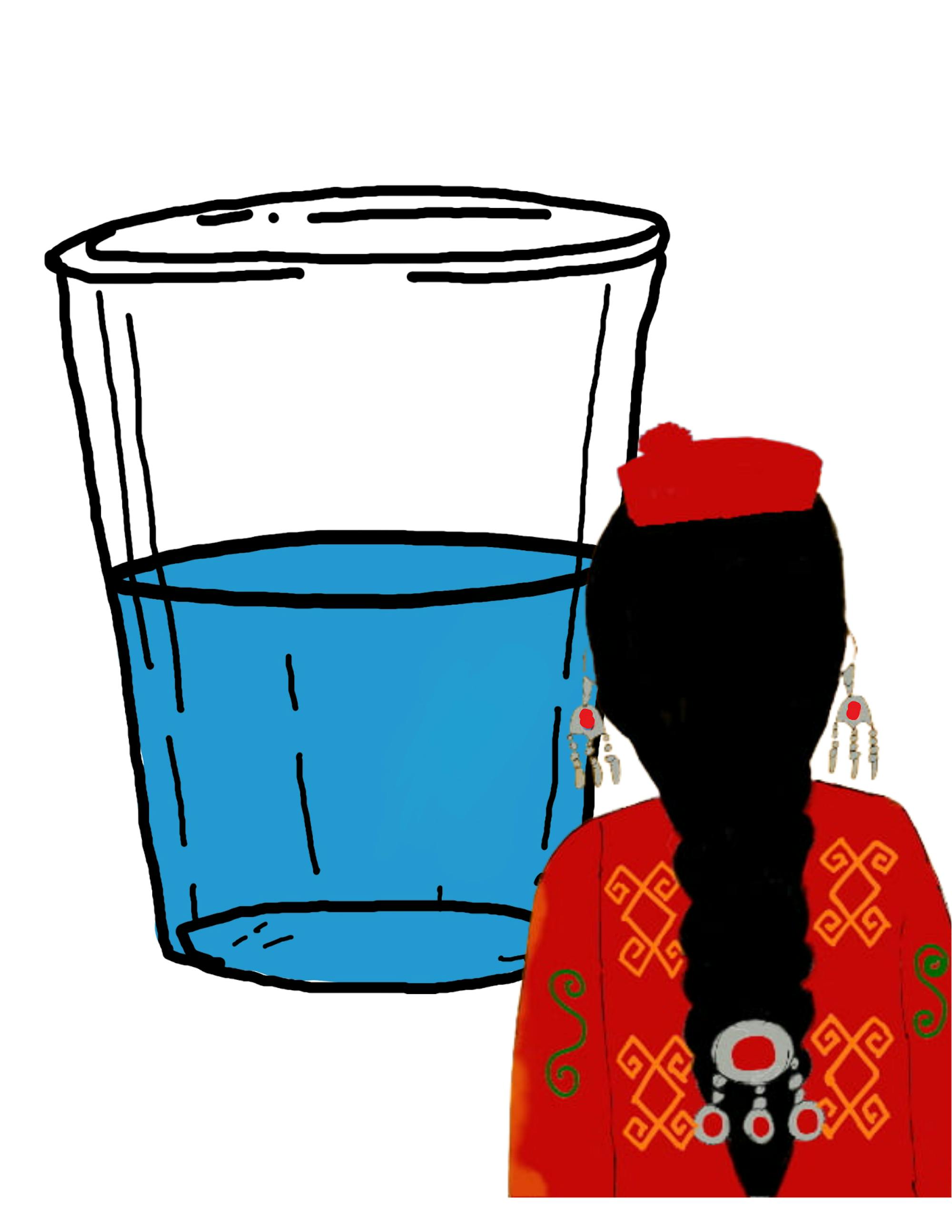
Looking at myself now, a term away from becoming a junior, I wonder: Is the glass half empty? Should I be worried about my future after graduation, career building and job hunting? Or, is the glass half full? Should I be proud of Aynura, who has made it through two years? I choose to believe the latter. I am excited but also nervous; however, I know this nervousness is part of my human nature.
Recently, I saw ran into a ’26 who was an orientation leader with me for the Class of 2029’s orientation week in fall 2025. After we said hi, I joked about him being a “soon-to-be retiree.” Alas, he’s graduating this spring, along with the other members of the Class of 2026, many of whom have almost become my elder sisters and brothers. Time passes by quickly.
I’m glad that people from a wide variety of backgrounds and cultures at Dartmouth now know my name and say it with their own accents. There are people I call friends in the U.S. who support me. Even though I’m legally a “non-resident alien,” I’m not just a foreigner anymore.
“I think I’ll make some friends
and maybe lose some from home.”
Yes, Dartmouth has turned out to be this ideal place they show on flyers and social media. It is gorgeous here, especially in spring and summer. I was not surrounded by so many mountains and trees before Dartmouth, and I do not regret choosing to live and study here. Some students might complain about its rurality, but I like how Hanover offers nature and not shiny, glamorous, tall buildings that you can find in other big cities. I can focus on what is most important to me, and my peers, too, don’t get distracted by the paradox of choice because there’s simply so little to choose from. It creates an environment where I can run into my friends from Maine or Connecticut sometimes several times a day. Unlike at a city school, we don’t define our friendships by going to some fancy store or eating out in a fancy restaurant. Our definition of friendship is defined through a canoeing activity in the Connecticut river or going on a Woccum with my friends.
Do you remember a time when you didn’t fit into clothes you had bought a year ago? You outgrew them. We also outgrow places and people. This feeling occurred to me when I returned to Uzbekistan and felt disconnected from some of my friends from home. I definitely cherish the memory of them, but the feeling that we no longer could find a common ground was strange. I outgrew them. But I know I have the capacity to style and customize this “clothing of old friendship” if I put some effort into it.
“I’m going to the first world,
where the money you and dad earned,
valued for only two weeks of groceries.
But don’t worry! I will be fine.”
I did end up fine. While it’s true that the average hourly wage of $16.25 per hour at Dartmouth goes much farther than the Uzbekistani som, affordability in the U.S. can be an issue. Still, there are a lot of resources, like the Dartmouth Free Market and the generosity of this campus, that make everything possible for me.
“I don’t know what awaits me,
What kind of struggles will I overcome?
But I know you’ll be proud of me,
For all the reasons I’ve made so far.
Mom, we’ll be ten hours apart,
You’ll go to sleep earlier than me.
Now it’s the time for us to part,
When we meet again, it’ll already be one year.”
It does feel sometimes that the time barrier between my family and I can limit our conversations. Even if I try to call them a few times a week, I admit it doesn’t feel the same as once-in-a-while, in-person meetups would. Texts and calls aren’t a substitute for physical presence. However, this struggle has taught me to cherish every single possible moment I can have with my family, even if it’s online.
I’m glad that my poem is being rewritten every day. I’m sure I will have many opportunities to live in a big city throughout my life, but for my college years, living in a remote area with a close-knit community at “Dartmız” is my choice, and it’s one that I’m grateful for.