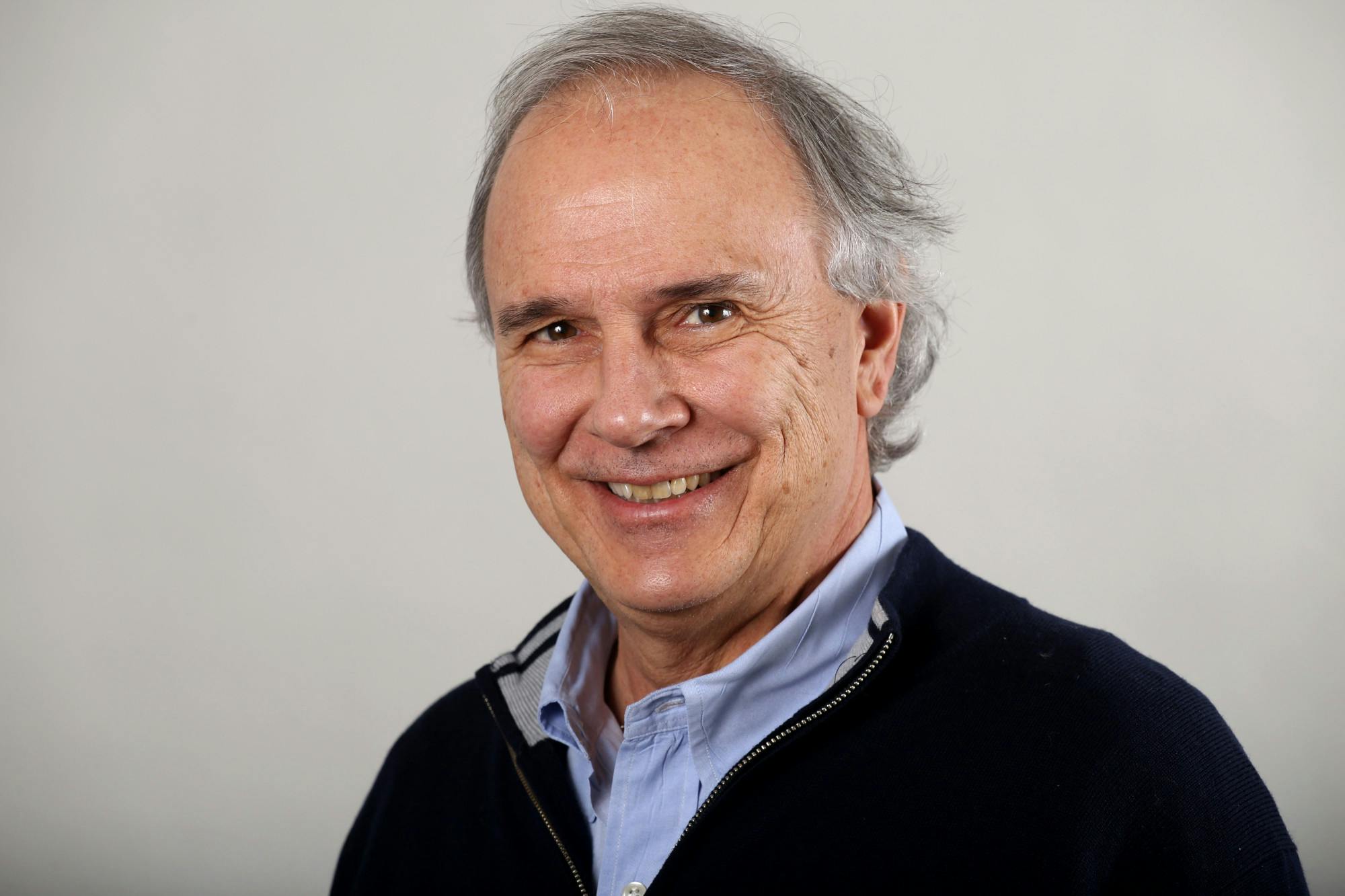
Valley News columnist Jim Kenyon is going to retire in the next few months. His journalism career began in the Upper Valley, where he worked as an intern for the Valley News during high school. After 10 years at the Tampa Tribune, Kenyon returned to the Valley News in 1996, where he has written ever since. The Dartmouth sat down with Kenyon to reflect on his career and the future of journalism.
Congratulations on your retirement! Let’s go back to the beginning: Was there any specific experience or set of experiences that motivated you to pursue journalism?
JK: I grew up in the Watergate era. That was an event that impacted a lot of people my age that grew up in the 70s. Watching the hearings with Howard Baker, a senator from Tennessee, it was a much different time. That was definitely something that steered me into journalism. Plus I was terrible at math, so journalism seemed like a good place to go.
What was the process of becoming a journalist like?
JK: I was very fortunate to have an English teacher in high school who thought I had some potential as a writer. And I had a yearbook editor who encouraged me to get into journalism. He actually set up an internship with the Valley News when I was in high school. In a way, I’ve done a full circle.
Why retire now?
JK: I’m almost 66 years old — I think it’s important, no matter what field you’re in, to step aside when you get to be a certain age and let younger people pick up the mantle.
What kind of stories excite you the most?
JK: I like doing stories about regular people. Just to give people a voice that don’t normally have a voice in our world. Telling stories of people you’re not going to see anyplace else. Too often in journalism, we often follow each other around, so I like to do things that I don’t think anyone else is doing.
How have you seen the world of journalism change during your lifetime?
JK: The resources have changed. When I came to the Valley News, I think we had 30, 35 people in the newsroom, and now we’re down to maybe a dozen. So many people get their news for free now. Reporters thought that when the online explosion happened, starting in the 90s, that advertisers would follow and that hasn’t happened. I hate to say it, but journalism just isn’t as much fun anymore because you don’t have those kinds of resources where you could travel.
The phrase “fake news” is everywhere. How do you recommend readers and writers alike avoid misinformation?
JK: People now live in these silos where they get their information from only certain sources. People have to look at where their news comes from. One thing we do at the newspaper is try not to have one-source stories, and readers have to be the same way. Don’t get all your news from one place.
Looking back to the beginning of your career, what’s some advice that you wish you had received earlier?
JK: Question authority. You have to be willing to challenge yourself and the people you’re writing about. There’s an old expression that I have to fall back on, that a journalist’s job is to comfort the afflicted and afflict the comfortable.
With column writing, if you stay in the middle of the road, you’re eventually going to get run over. All we can do is present the information and then readers have to make decisions for themselves. And that’s what I tell young reporters: Don’t take criticism personally; try to learn from it. If you get all worked up about negative comments on Facebook, you’re going to drive yourself crazy.
I still encourage people to get into journalism because you can learn something new every day. In any newsroom I’ve worked in, if someone wants to pursue a story, they’ll be supported by their editors. And don’t take yourself too seriously. I think that’s the other thing that, as a young journalist, you kind of get caught up in. Understand that you have to have fun in this job, and that you always have to be curious, to want to ask questions. You have to take pride in your work.
This interview has been edited for clarity and length.
Sahil Gandhi ’29 is a reporter from Staten Island, N.Y., and is majoring in environmental studies and government modified with philosophy and economics. He loves word searches and falling down internet and Wikipedia rabbit holes.