The commencement of winter term in Hanover means a few things: three months of hibernation, trudging through layers of snow in thick snow boots and donning a rotation of parkas, puffers and trench coats depending on the fluctuating temperatures of the week.
I experienced my first Dartmouth winter back in 2024. Going into that term, I expected winter at Dartmouth to be a lot like winter in Chicago, and therefore, I wasn’t expecting anything crazy. However, I was sorely mistaken. Not only were the copious amounts of snow that winter unbearable, but also the exaggerated displays of wealth I saw across campus.
Almost a week into my first winter term, it became clear to me that there was a distinct pattern in the different outerwear brands and clothing items people were wearing to protect themselves from the cold.
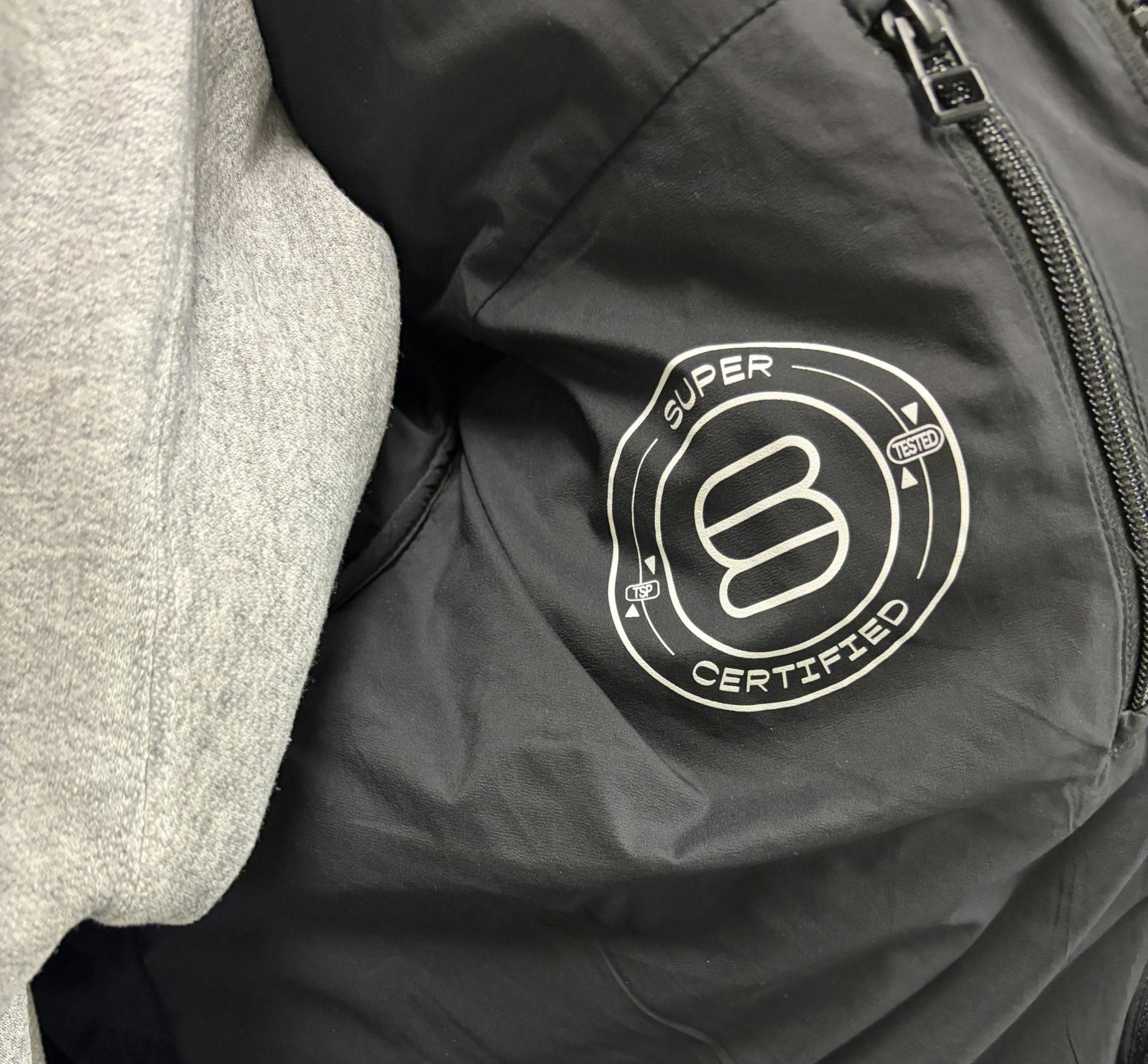
Most upperclassmen girls I knew in sororities, or girls in my grade from New England and California, were wearing knee-length Canada Goose parkas, which retail for around $1,500. The underclassmen girls rocked the Superpuffs that were all the rage that Christmas season. The long wool coats were reserved for women in the senior class. The guys on campus wore anything from black Arc’teryx jackets with a color-coordinated beanie to Canada Goose Parkas, L.L. Bean or brown bomber jackets like Carhartt, Barbour and the brown jackets worn by the men’s heavyweight rowing team.
And when it comes to shoes, don’t even get me started. So many people were strutting through the Hanover snow in a pair of muddy brown canvas boots I soon learned are called Blundstones. If it wasn’t Blundstones, then I would spot the occasional pair of bright-neon Moon Boots or Doc Martens.
Before coming to Dartmouth, I had never owned a pair of snow boots, besides the quintessential pair of beaten-up Ugg Boots and slippers every Midwesterer must own. In fact, back at home in Chicago, my daily winter outfit consisted of a hoodie — usually Nike, sometimes Champion — a pair of leggings or sweats and a rotation of Uggs and AirForce Ones, topped off with a North Face puffer. This outfit became my uniform, a spirit animal of sorts. Essentially, everybody around me dressed the same.
However, a few weeks into my freshman winter, I quickly came to realize how much my clothing, or rather lack of “proper clothing,” made me stand out. I had gone from looking like everyone else around me to sticking out like a sore thumb.
I started browsing online for Super Puffs on sale. Similarly, I thought buying a pair of Blundstones would be a great investment as a first pair of winter boots, until I saw that they cost over $200, and I promptly exited the website. Buying an Arc’teryx beanie was really tempting. But what use would I have, with natural hair and no skiing experience, for a $60 beanie?
Before my freshman winter, I didn’t feel like I needed to buy new clothes or items to keep up with the other Dartmouth students. But somehow, the exaggerated wealth and branding that go into winter clothing and outerwear made me hyper aware of my status as a low-income student. And once I became aware of how my clothing set me apart, I began to question how I appeared to everyone on this campus.
Why was I wearing sweatpants, colorful t-shirts and hoodies when everyone else was wearing jeans, blouses and cardigans in neutral colors? Why was I wearing a $150 winter coat when everyone else was wearing parkas that cost upwards of $1,000?
I was disappointed in myself. Worrying so much about not looking like everybody else here felt like such a trivial thing to care about. However, for some reason, the desire to fit in at Dartmouth and to appear a certain way goes much deeper than wanting to simply be like everyone else. Fitting in at Dartmouth means earning one’s visibility in the social fabric of campus.
In high school, buying and wearing new clothes was about showing you were on trend and that you had style. In extremely wealthy and high-performing environments like Dartmouth, fashion and clothing are a uniform, a way to tell others that you have the status and financial resources to belong in this space.
For a student like me, who already has to fight so hard for their voice to be heard at this school, I felt as if I had no other choice than to literally buy into Dartmouth’s social scene. Throughout the rest of freshman year, my wardrobe changed from leggings, hoodies, sweats and graphic tees to jeans, plain shirts and cardigans. I traded in my AirForce Ones and V2Ks for Killshots and Sambas. I changed my style so much that by the time I started sophomore year, I didn’t recognize the person looking back at me in the mirror.
I still wear my colorful tees, baggy clothing and sweats when I’m back home. But here at Dartmouth, it still feels like there is no room for those clothes or my true personality. Sometimes, when I think too long about how much I have changed since I started school here, I become dejected. Some of these changes, like my personality and mindset, are just part of growing up. But changes to my style, the way I talk and how I socialize on campus, have been forced. I have chipped away at small, but significant, parts of myself to fit in here.
It does help, though, knowing that I’m not alone in this. Throughout my three years at Dartmouth, I have seen how much other classmates have changed their personalities and wardrobes since freshman year, showing the lengths us students will go to in order to fit in.
Now, in my junior winter, I get ready for class the same way as many others on campus. I throw on a pair of straight leg jeans with a knitted sweater or thick cardigan, stuff my wide feet into narrow Hunter boots, wrap my neck in a scratchy, colorful wool scarf and zip up my navy blue matte Super Puff.
I walk out of my dorm and down the hill of Dartmouth Hall every morning, disappearing into a sea of Super Puffs.
Yaniya Gilford '27 is a staff writer for both Mirror and news. She is from Chicago, Ill., and is double-majoring in English and Government. On campus, Yaniya is involved in the First-Generation community and Greek life. Yaniya has a passion for creative writing and plans to pursue a career in the field.