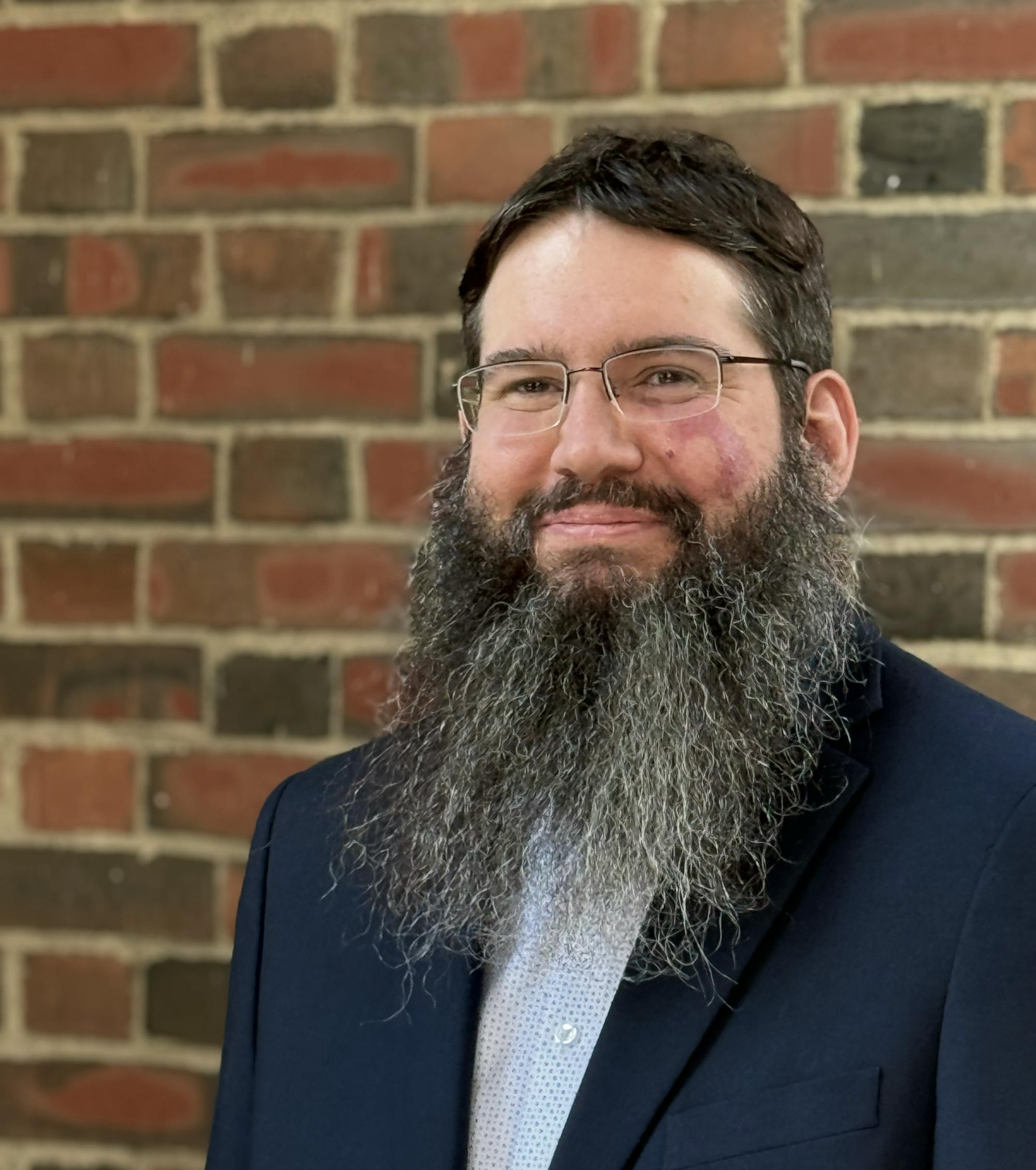
In the wake of Charlie Kirk’s assasination, legacy media organizations — including the New York Times — have published news stories and analysis on modern American “polarization.” Since 2022, government professor Sean Westwood has studied the topic through surveys and computational models. His recent research has focused on political opinion, media misinformation and democratic norms in the United States. The Dartmouth sat down with Westwood to discuss his work and the future of American democracy.
What is the Polarization Research Lab and how did it start?
SW: I founded the Polarization Research Lab in 2022 to have a systematic way to monitor public support for political violence and democratic norm violations, and to understand how elected officials’ rhetoric drives the tensions we see in this country.
What’s the biggest takeaway from your research?
SW: The American public largely rejects democratic norm violations. There is a segment willing to sacrifice democracy for political ends, but it’s not a majority — maybe 20%. That’s heartening because it shows there isn’t a mandate from the public to destroy the Constitution, but troubling because a lack of public support isn’t enough to stop politicians from attacking it. And only between one and three percent of people support partisan murder.
If only a small minority endorses partisan violence, how worried should we be about it?
SW: I do think it is a phantom threat. And I know that’s controversial to say, but I’m far more concerned about anti-Black violence, antisemitic violence, anti-LGBTQ violence — because that happens much more often.
Labels matter. If you say someone was attacked because they were Jewish or Black, the public is repulsed. If you frame it as partisan violence, it opens the door to tolerating something they otherwise wouldn’t. There’s a great deal of violence in this country, but the amount motivated purely by partisanship is actually very small. Treating it otherwise risks numbing us to the violence we should be most alarmed by.
If there is no public mandate to break democratic norms, why do we elect politicians who do it anyway?
SW: Two things. First, it’s very hard to ask someone to vote for another party, especially on an issue like democracy. People care about feeding their family, the price of groceries, rent. They value democracy, but they’ll vote for the candidate they think will improve their economic situation. So they tolerate anti-democratic candidates advancing policies they agree with.
Second, many elections are decided in primaries. So we’re not getting candidates who reflect the ideology of the state or district — we’re getting candidates who reflect the positions of the most motivated voters in the dominant party. This means we have more extreme politicians in the Senate and House than you’d expect if candidates simply reflected their districts or states.
What’s the solution?
SW: First, realize that platforms like X or Bluesky don’t reflect reality. The rancor you see there comes from a small group of Americans. Tune that out. Second, remember the other side are Americans who love their families and their country, just like you. You just disagree on policy. And third, we need to rebuild norms of respect and dialogue. That’s not easy, but we can start in schools and universities. Classes, debates, late-night discussions with friends — those are ways to practice rational conversation. It’s a long-term project, but it’s possible.
Do you think rational conversation happens at Dartmouth?
SW: Dartmouth is a microcosm of the U.S. — you’ll find students who are extremely passionate about debate, others who are open and some who don’t want to. But here there is a framework for those discussions — whether in classes where professors guide respectful debate, or arguing with friends over chicken nuggets at Late Night or the Dartmouth Political Union. Dartmouth encourages careful, rational discussion, which is rare on campuses given the broader decline of higher education.
What do you think about reactions to the assassination of Charlie Kirk?
SW: It is wrong to claim there are organized trans-terror cells. It is wrong to say the Democratic Party is a party of murderers. And it is wrong to use Charlie Kirk’s assassination as an excuse to attack our civil liberties — to go after professors, students and teachers who may have said abhorrent, irresponsible things, but who were nonetheless exercising their private free speech rights.
We’ve seen the worst of a lot of Americans, but also the best. Some political leaders have made eloquent defenses of free speech, political discourse and liberty, but they’re not the ones getting attention. The spotlight is on figures saying the worst possible things about a man who was murdered. The killing of Charlie Kirk was a tragedy, and the response has been a second tragedy.
Do you foresee polarization declining?
SW: I’m the most pessimistic person you’ll ever meet. It’s hard for me to be optimistic about anything. But if you look at American history, we’ve endured far worse — women didn’t have the right to vote and people of color were regularly murdered — and we endured, recovered, survived. In the long term, I think we’ll be okay. In the short term, though, we’re witnessing extreme pressure on our democratic republic. And more importantly, the tensions we’re seeing aren’t unique to America. We see them in Germany, Austria, France, Italy, Poland. This may simply be a feature of modern democracy.
What’s next for your research?
SW: I’m running a study on how Americans are willing to trade off freedom for protection against political violence. That matters because a lot of academics and pundits claim the vast majority of Americans support political violence. I want to see how much of that is disinformation that people have internalized, and how many now see political violence as a threat on par with terrorism or economic collapse. The real question is how far people are willing to go and how much they’re willing to tolerate restrictions on rights and freedoms in order to fight phantom political violence.
This interview has been edited for clarity and length.
Iris WeaverBell ’28 is a reporter and editor. She is from Portland, Ore., and is majoring in economics and minoring in public policy.