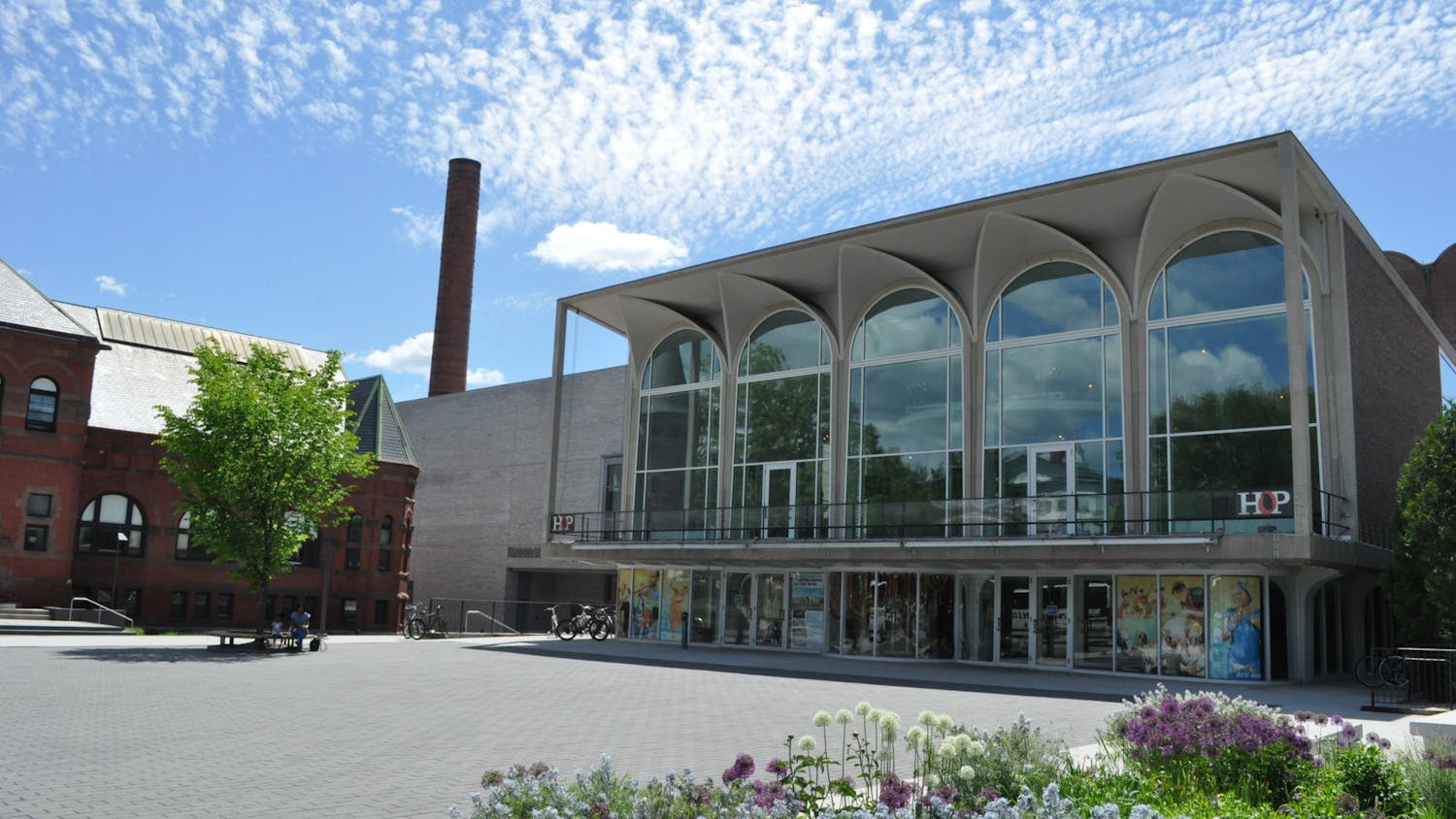
Ultima Vez, a critically acclaimed dance company based in Belgium, performed in Moore Theater Tuesday and Wednesday evening.
Ultima Vez dancers have to be able to withstand the extreme physicality of their performance while trusting and supporting one another. The company is known for its energetic yet breathless choreography, and the elements of body, mind and heart were quite apparent in the show.
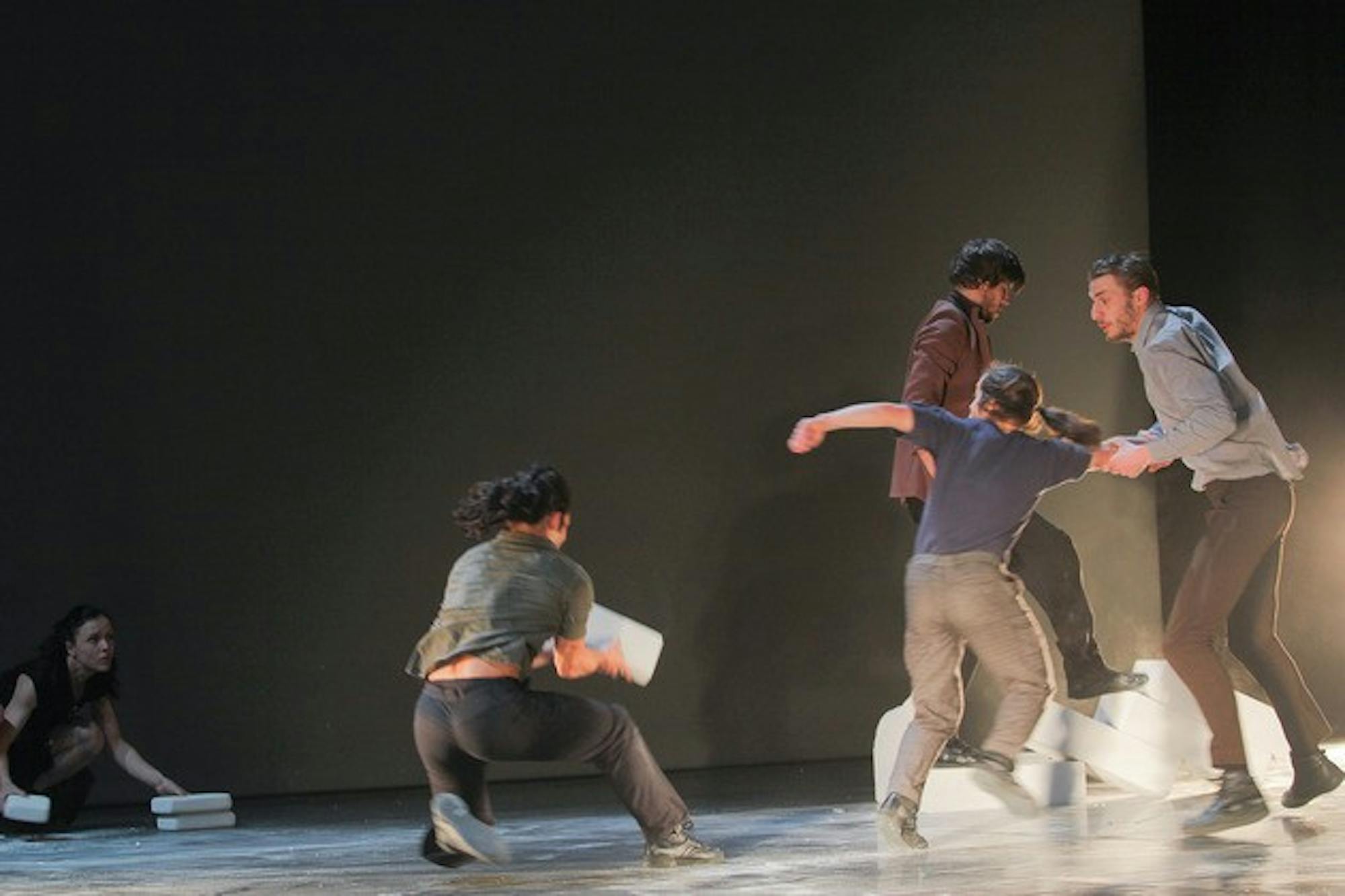
The dancers fling themselves across the stage with reckless abandon, powerfully stomp and jump on the floor while others dangerously roll between them, and toss one another through the air.
After the show, the dancers revealed that, like any other sport, mastering the technique behind the thrilling stunts soon became second nature to them.
Yet just watching their performance will be sure to make you feel physically sore. The spectacle, choreographed by Wim Vandekeybus, first premiered in 1987 and was performed as a revival in preparation for the company's new world tour with an updated cast.
"What the Body Does Not Remember" is not your typical dance performance, as it eschews traditional perceptions of dancing. In fact, at times the performance even feels less like dancing and more like a play, without the dialogue.
In a particularly memorable scene, a dancer is sitting on a chair, trying to take off a sweater while balancing another dancer on his lap. While this was a highly entertaining moment in the performance, it featured almost none of what most would consider as traditional dance and instead utilized a distinct and passionate style.
The performance is divided into several parts, each with its own motif, some light and others more serious. With each section, the dancers take on new personas and exhibit their versatility. One whimsical scene features the dancers stealing towels off of one another while moving in various creative patterns. Other moments are tense, emotional and uncomfortable, evoking themes of violence and sexual assault. The audience laughs in moments, gasps in wonder at another and lets out a tense sigh a few minutes later.
"What the Body Does Not Remember" covers all ends of the emotional spectrum. At times, the performers dance without music and the stage is merely filled with the sound of their bodies moving, while at other times, loud, cacophonous music fills the theater.
There are instances when only a pair of dancers is onstage and the sole focus is on them, creating a more intimate connection between them and the audience. When all of the dancers leap, stomp and roll around the stage at once, your eyes never know where to focus, creating a chaotic but dazzling effect.
The end result is an unexpected mixture of humor, intensity and thrill that leaves the audience somewhat dazed and confused, but awed nonetheless.
Torroja revealed that since there are no formal explanations about each section, the performance is all about individual interpretation.
This emphasis on the personal reflection of the performance stems from the powerful idea that everyone possesses different perceptions of the messages conveyed by the numbers, Torroja said.
"What the Body Does Not Remember" is an exciting event that features a wildly talented group of dancers.
It is truly impressive how effortlessly the dancers seem to completely release any inhibitions and throw themselves into such a visceral, physical performance. Although it takes a few minutes to adjust to the original dance style, it is an intense, captivating experience that is well worth the initial confusion.