
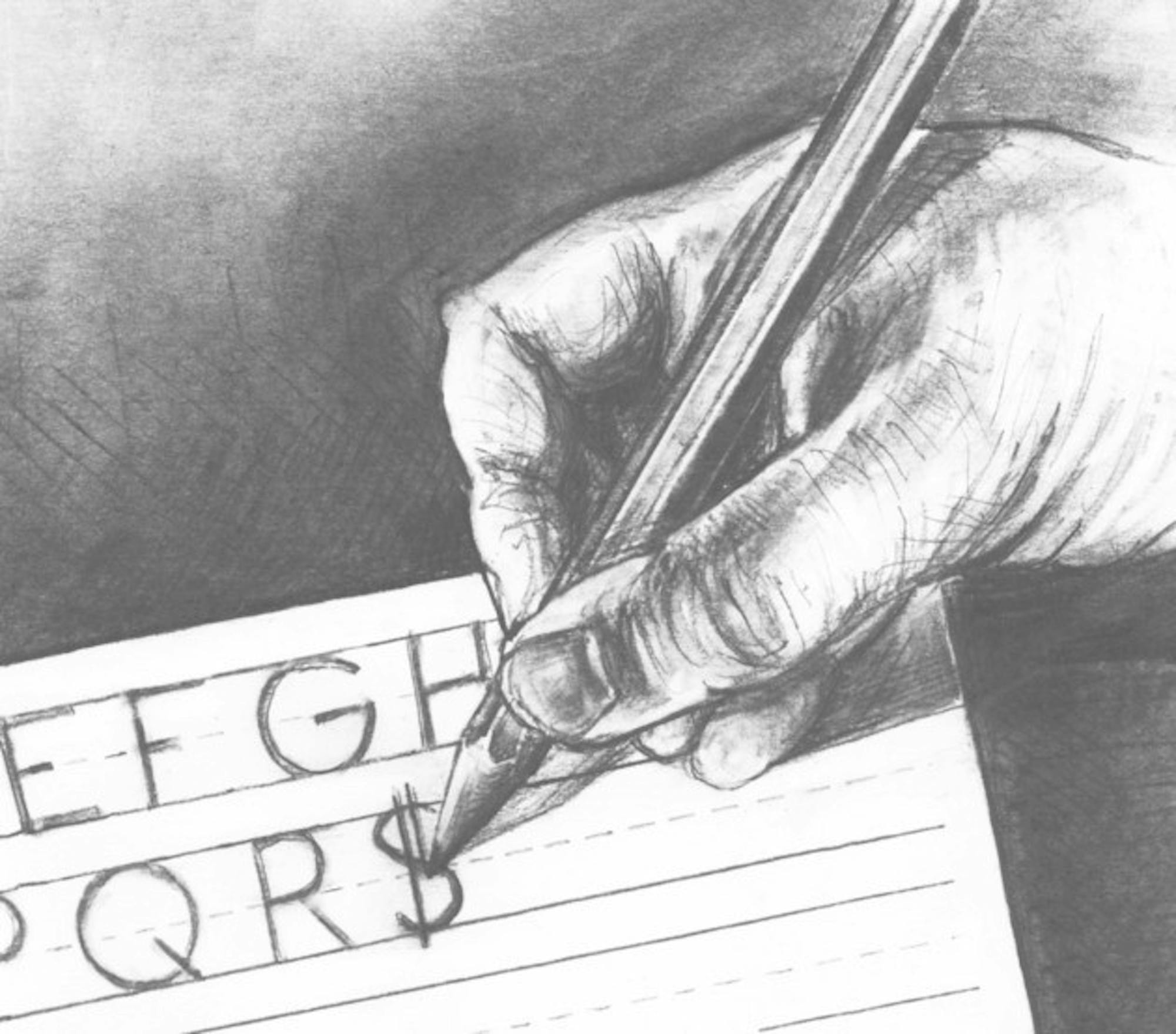
A recent study, conducted by Harvard professor Ronald Fryer and presented in the Time magazine article, "Should Kids be Bribed to Do Well in School? (April 8)," corroborates my own experience. The way to increase motivation, he found, is to pay students for specific academic work that they can directly control (like showing up to class and doing homework) rather than for outcomes that they cannot (like test scores and grades).
People are really excited about this. Michelle Rhee, the domineering Washington D.C. Schools chancellor, has already asked the city council for more money to continue payments. "It is just so hard to show impact in education," she said. "We don't see results like this for a lot of other things we're doing." Jacob Batchelor '12 reiterated this sentiment in his column last week ("A Rewarding Study," April 15). "In our society where learning achievement gaps are so vast," he argued, we have to examine every potential solution and "do anything at all to remedy the situation."
But these views socially myopic and economically backward represent a troubling impediment to education reform in this country. Proponents' optimism belies a deep-seated defeatism that has hindered substantive attempts to address the structural flaws in our system. Throwing a lot of money at an issue is the quintessential American problem-solving approach because it's quick and easy. But as our experiences with health care and Iraq demonstrate, failed policies cannot be saved with more money alone.
Meaningful change will come by altering No Child Left Behind so that we support (rather than punish) schools that need improvement, making higher education more affordable by expanding Pell Grants and extending tax credits, firing inadequate teachers and training good ones, building better standardized tests and modernizing outdated curricula. That these transformations will be so difficult to realize is precisely why we must avoid superficial solutions like bribery and instead focus on reworking our broken system.
Still, many have argued that we already offer financial incentives to everyone else in society, whether for work, sports or even recycling. But how many people in the working world get bonuses every week just for showing up to the job, as some students now do? And what happens when kids start making demands like, "this book is thicker than the last one so I should get $4 instead of $2?"
Indeed, the gravest danger paying in students for schoolwork is that by offering kids remuneration for a task done, we implicitly hint that the task is undesirable. External payments reduce internal motivation. Money is a natural motivator because it is quantifiable, tangible and fungible; but trouble occurs when the prospect of making a lot of money becomes a student's primary goal.
Schools should instead focus more on emotional sources of motivation, which are never self-serving and often more powerful. By fostering respect for knowledge, personal networks, relationships, feelings and values, schools can create an excitement for learning and analytical thinking that lasts a lot longer than a few bucks ever will. After all, most successful people whether they are entrepreneurs, artists, marines or academics will say that their primary source of motivation has been a self-imposed desire to build something lasting, not to make money. They strive for fulfillment and the enduring recognition of others. Profit comes second. For them, success, at least in a material sense, is not the key to happiness. Happiness is the key to success. They enjoy what they do and they thrive doing it.
Looking back, I realize it was my parents' emotional support teaching me to read from my poetry notebook, encouraging me to do the extra credit, serving on the Parent Teacher Association that instilled in me the values that got me to Dartmouth. The toys were just a cheap diversion. Unfortunately, until schools realize this truth that the most effective way to motivate behavior is to focus on how people feel about the work itself they will continue to disadvantage students with material rewards.
