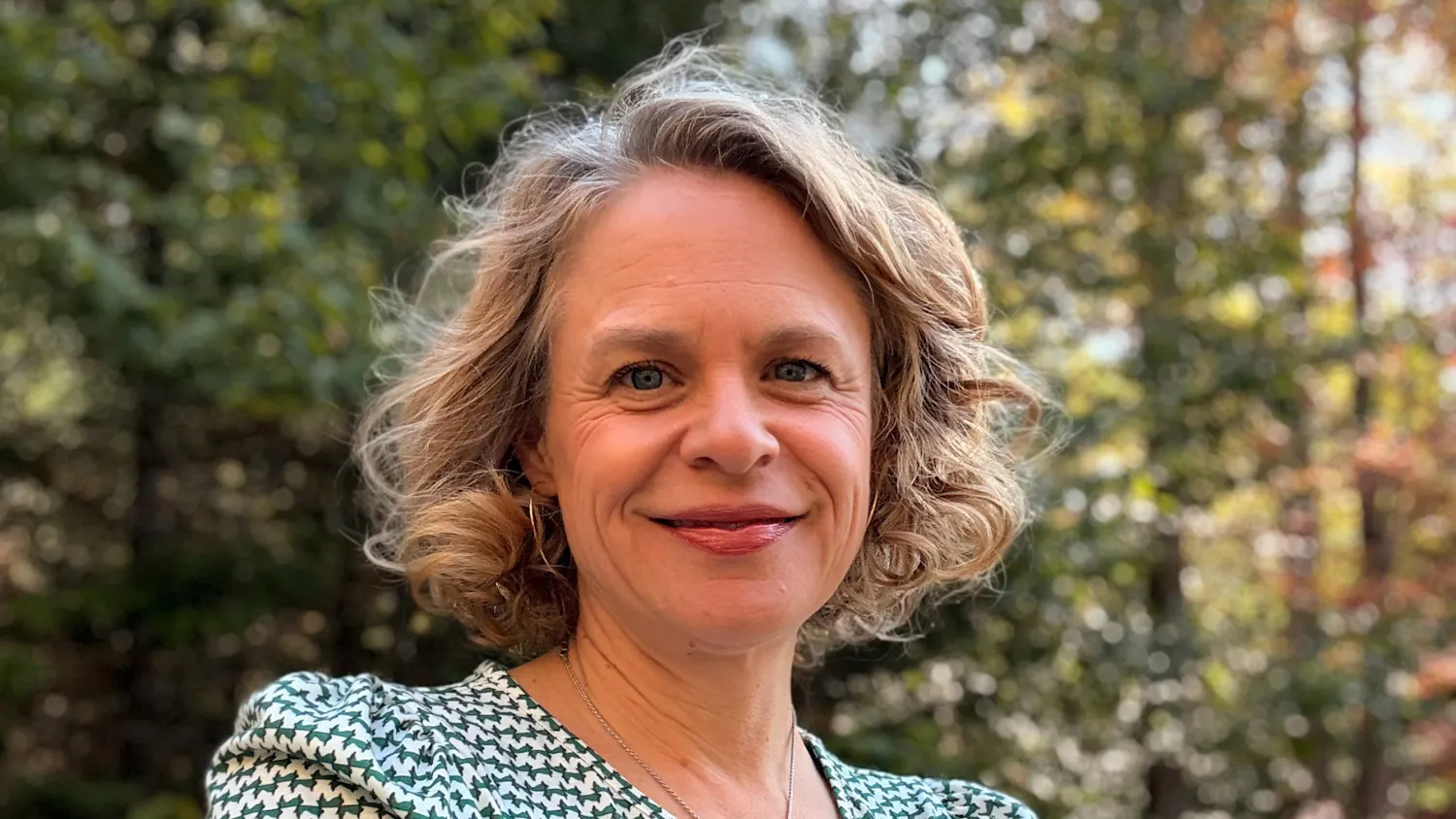
After a long fight, popular Spanish professor Christina Dupla lost her battle with cancer in early January while at home in Barcelona, Spain.
Dupla's courage in working through her disease inspired many who worked with her in the Spanish and Portuguese department, former colleagues and students said.
"She didn't make it a big deal of it. She had a very strong sense of what it meant to be a survivor," Chair of the Spanish and Portuguese department Marsha Swislocki said, noting that Dupla underwent treatment on more than one occasion during her time at Dartmouth.
Dupla had in fact already been diagnosed with the disease when she joined the Dartmouth faculty in 1992. At the time, her cancer was in remission.
Andrew Trief '01 recalled working as a research assistant for Dupla during the fall of 1999. At the time, she was continuing to write her most recent book, "Memoria s, venganza no en Josefina R. Aldecoa," even as she was too weak to get around on her own.
In her relatively short tenure at Dartmouth, Dupla cultivated exceptionally close relationships with students and faculty.
"The thing about Christina is that she was such a wonderful and kindhearted person that it was easy to develop a friendship with her outside of the classroom," said Ivan Cestero '01, who served as a teaching assistant on the Winter 2000 LSA Barcelona which Dupla pulled out of due to her illness.
"We got along immediately -- everyone like her," Swislocki stated, adding, "She cared deeply about working with students, and they had a great deal of affection for her."
Dupla's unique teaching style won her respect from both Cestero and Trief. The two seniors cited her emphasis on class discussions and the close dissecting of relatively short sections of text.
"She was unlike any other professor I've met. She transcended the frantic, high-pressured environment [of academics at Dartmouth]," Trief said.
"She was very passionate. She spoke beautifully," he noted.
A native of Barcelona, Dupla spoke the Spanish and Catalan languages with equal fluency. Along with Swislocki, she worked to set up the popular Barcelona LSA.
"More than anything else, she wanted to share her love for the city with students." Swislocki said. "The program owes a lot to her."
Throughout her career at Dartmouth, Dupla commuted between Hanover and Barcelona, where her husband lived and works as a professor of chemistry.
While at Dartmouth, Dupla assisted in the creation of several courses, including Gender and Writing in 20th Century Spain.
Dupla was also deeply devoted to her interests in feminism and the question of what it means to be Spanish in contemporary society, and she enjoyed discussing these topics with students and colleagues.
"She loved intellectual exchanges, and letting students know about the complexities of Spanish culture," Swislocki commented.
In addition to her work in the Spanish and Portuguese department, Dupla taught classes within the departments of women's studies and comparative literature.
A memorial lecture on Dupla's life and works will be held during Spring term, with a date and speakers to be announced. Additionally, the Department of Spanish and Portuguese plans to award an annual prize in her name to the graduating senior with the best essay on either contemporary women writers or Iberian studies.