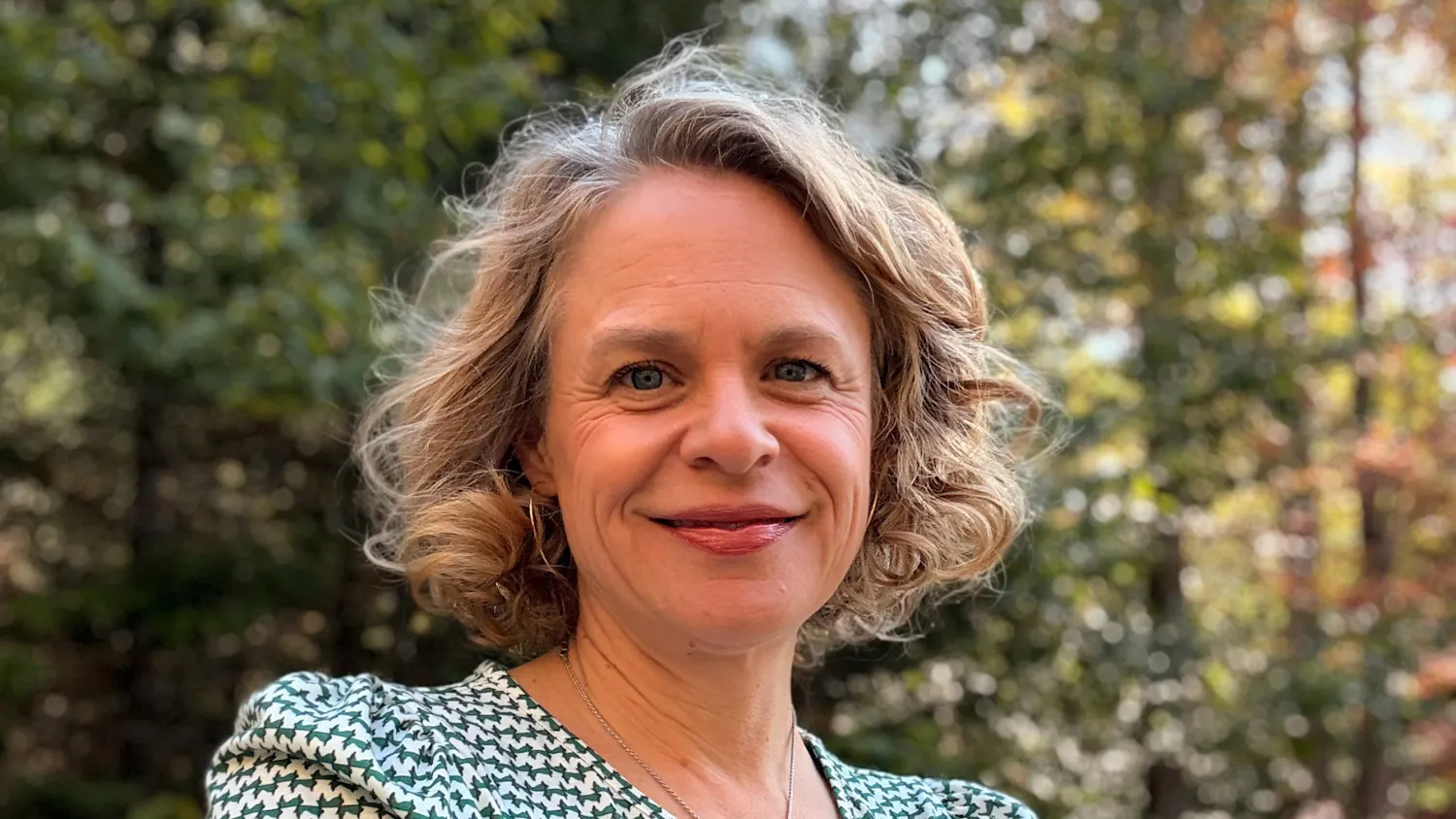
Until Medical School student Courtney Voelker received a Rhodes Scholarship this month, no Dartmouth student had won the prestigious fellowship for at least five years.
This number is strikingly low when compared with other Ivy League institutions. At Harvard University, for example, five students received the Rhodes Scholarship in 1997, and at least two have been given the honor in each following year with the exception of this year.
Why the discrepancy?
Former Director of Student Fellowships and Professor of English Monika Otter attempted to explain the disparity by pointing out differences in the application process at each school.
"It involves having people at an early stage saying we'll groom you for this," she pointed out. "Some of the very successful places like Harvard, for instance, have a real machine going to produce Rhodes scholars."
However, both Otter's and Director of Fellowships at Harvard Paul Bohlmann's description of the application process at their respective institutions was rather similar.
Both colleges hold numerous information meetings, distribute pamphlets, and make available faculty advisers to the potential applicants.
In the face of this realization, Bohlmann cited the Harvard applicants themselves as a reason for the difference.
"Individual students win scholarships," he pointed out, "not schools."
"The easiest answer is that, like all Ivy League schools, Harvard has an unusually competitive applicant pool to get into the college," he explained. "The combination of talented students in a rich environment helps them to grow in all sorts of amazing ways."
Because Dartmouth is also a highly selective institution, however, the differences may be more complex and deep-seated than that.
"It's very much a part of their local culture," Otter said of the institutions that tend to produce more Rhodes Scholars annually.Bohlmann's ideas were consistent with Otter's.
"The fact that we have been successful tends to create future success," he stated, adding that the unusually high number of Rhodes Scholars on the Harvard faculty may also help account for the fact that, as he put it, "the word is out there."
Another possible reason for the disparity may lie in the differences in attitudes among students toward the application process. According to Otter, for most Dartmouth students, the decision to apply is a late one. In contrast, at Harvard, Bohlmann reports that students are encouraged to begin thinking about their applications rather early in their college careers.
Otter suggested that the lack of academic continuity presented by the D-plan may be another piece of the puzzle.
In addition, she pointed out that, on the whole, Dartmouth students tend to be more professionally oriented than students at other Ivies, tending to matriculate at professional schools such as medical or law after graduation rather than pursue graduate programs.
Harvard students, in comparison, are more likely than Dartmouth students to elect the latter, whose methods of study, as Otter pointed out, are much more similar to those of the Oxford program.
Despite Dartmouth's flagging success in the Rhodes competition, it has seen a much better recent turnout in the contest for Fullbright Scholarships.
"One reason we do well at the Fullbright is that we have many students with international interests and international experience who can put together a very good proposal for it," explained Otter, crediting the College's extensive network of Foreign Study and Language Study Abroad Programs.
However, both Bohlmann and Otter are beginning to witness trends that may mean the admission of fewer Rhodes Scholars from either institution in the future.
"Increasingly, grad students have been having slightly better chances," Otter said, citing Voelker's recent victory as an example. Voelker, who received her undergraduate degree from Brown University, will travel to Oxford this coming October to study neuroscience.
Indeed, over the past five years, the number of Rhodes Scholars applying for graduate or professional programs has greatly increased.
Bohlmann said that the diversity of academic institutions represented by scholarship recipients has also been increasing recently."In the past four to five years the spread of schools represented has either set or met a new record," he stated.
Whatever the chances of winning, however, Otter continues to encourage Dartmouth students to apply for the accolade.
"It's a frustrating but also very enriching experience," she said of the application process. "Interview skills make you think about where you stand and help you to create a unique intellectual profile."
Otter also pointed out that, win or lose, Rhodes applicants usually end up winning one or more of the other numerous academic scholarships and fellowships offered, and often win acceptance into some of the country's most prestigious graduate institutions.