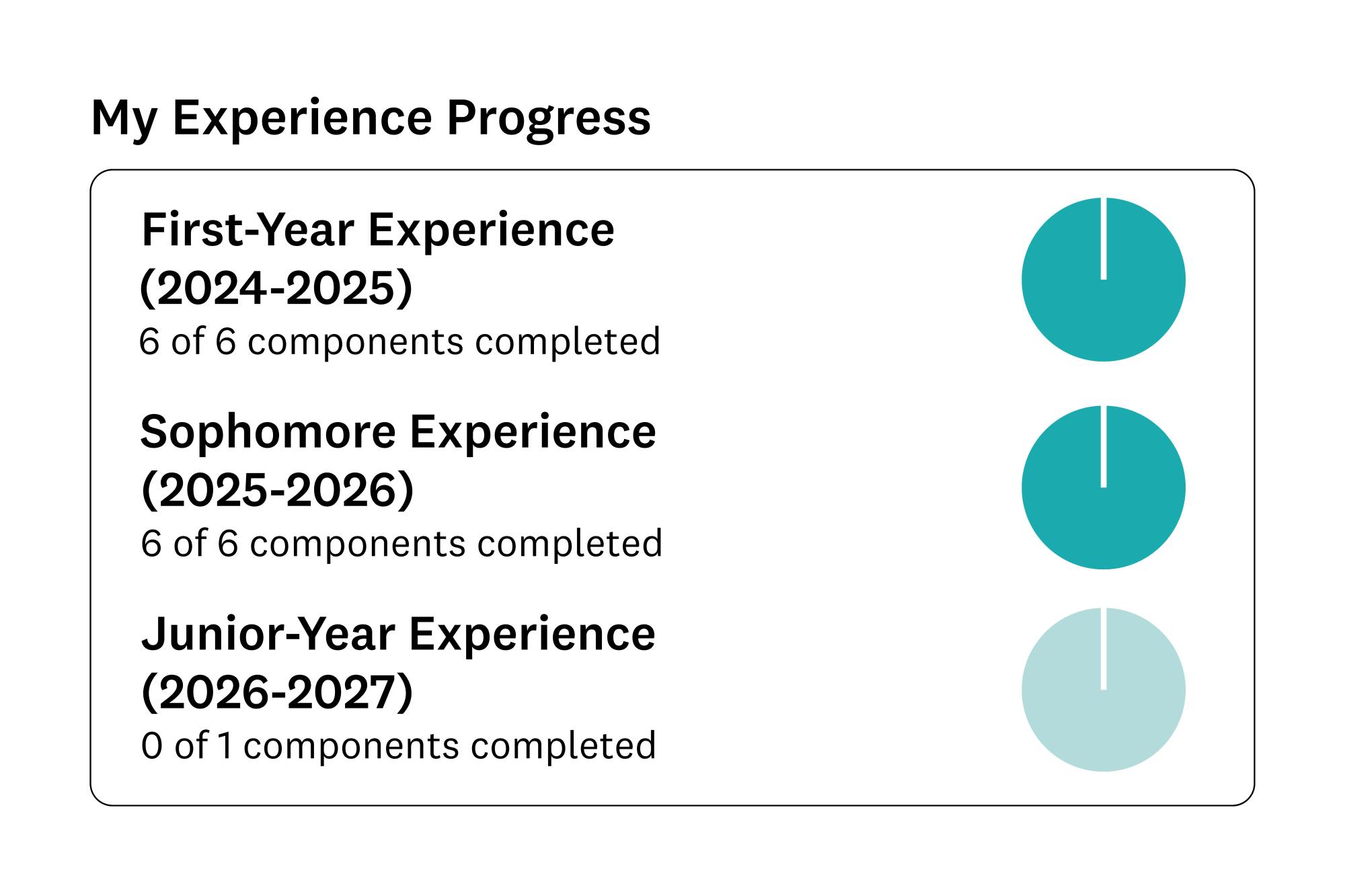
Beginning this fall, members of the Class of 2028 are required to complete a new junior-year component of Dartmouth’s Sexual Violence Prevention Project, extending the mandatory curriculum to three years.
Students must now complete one SVPP training during the fall, winter or spring term of their junior year. They can choose from four elective categories: leadership and culture change, sexual communication, health and wellness, challenging harmful language and microaggressions and listening circles on a variety of topics.
The one-training elective model will “eventually” expand to seniors based on the results of this year’s junior curriculum, according to SVPP director Ben Bradley. Bradley wrote in an email statement to The Dartmouth that the “goal” of SVPP has “always been to implement a four-year violence prevention experience for all undergraduates.”
“After spending this past academic year developing the framework for the Junior Year Experience and testing training options with students, we can now deliver the first required SVPP trainings for juniors,” Bradley wrote. “Student input really informed our decision to use an elective model.”
SVPP grew out of Moving Dartmouth Forward, an initiative introduced by the College in 2015 to address high-risk behavior among undergraduates. Following two years of pilot programming, SVPP formally launched with the Class of 2023 in 2019.
Unlike the multiple sessions required in the first-year and sophomore curricula, the inaugural junior year training will require only one session. Bradley wrote that SVPP has historically begun its curriculum with one session before eventually expanding it to multiple sessions.
“Starting small allows us to refine the experience with students in intentional ways,” Bradley added.
Student Wellness Center executive director Caitlin Barthelmes wrote in an email statement to The Dartmouth that Dartmouth and the University of New Hampshire recently completed a six-year research study which analyzed five years of SVPP data collected from student attendees. That feedback informed the development of the new junior-year curriculum.
“Year over year, the majority of Dartmouth students participating in SVPP have agreed that the training provided or strengthened skills that they can actually use and that the training was useful for their peers,” Barthelmes wrote.
The SWC’s 2025-26 Year in Review study includes immediate post-session feedback. Depending on the session, between 82% and 95% of surveyed first-years and sophomores said the training was useful for their peers, while between 90% and 97% said it “provided or strengthened skills that they could actually use.” The report lists 6,430 post-training responses collected but does not provide a response rate or respondent count for each percentage.
Those numbers show that most respondents rated the individual sessions favorably. The study does not show whether students think required SVPP programming should continue after sophomore year.
Students interviewed by The Dartmouth said the value of previous SVPP sessions depended on whether the material felt new, the scenarios felt realistic and facilitators encouraged participation. Anna Piper ’28 said the “realistic” example scenarios are the “most helpful” part of SVPP.
“Naming the characters and placing them in college settings has been the most impactful to what I take away from the sessions,” Piper said.
Cooper Hindshaw ’28 said the “Resources and Support” training offered to students during their freshman fall was the most useful session he completed, but sophomore-year programming felt repetitive.
“It sometimes feels like the school does these trainings to check a box,” Hindshaw said. “On the flip side of that, it normalizes reaching out and talking about hard subjects.”
Kate Wolfson ’29 said a session for sophomores focused on Greek life included “really interesting” college life scenarios. However, the training used “some of the diagrams over and over again,” which felt unproductive.
Student participation is “mixed,” Wolfson said. “If facilitators are willing to wait in silence until someone participates, then people will. But if they are just like, ‘Does anyone have something to say?,’ it doesn’t really work. ”
Wolfson added that an additional year of programming would need to offer new material to offer real benefit.
“Freshman and sophomore year are really helpful,” Wolfson said. “But the junior-year [program] would have to consist of something completely different.”
Bradley said SVPP tracks participation for every student. During the 2025-26 academic year, 1,174 first-years, or 98% of the class, and 1,024 sophomores, or 88% of the class, completed all requirements, according to Bradley. Those figures include online make-up sessions and did not measure engagement during training. In-person participation varied by session from 70% to 99.8% among first-years and from 50% to 84% among sophomores.
Bradley said SVPP eventually plans to extend the elective model to seniors, completing the four-year curriculum envisioned when the initiative was first announced in 2015.
“Our goal is to spend the year testing this elective model, and incorporate what we learn into building out the rest of the junior year,” Bradley said.
Isabel Menna ‘29 is a reporter from Leavenworth, Wash., is majoring in economics and is a member of the Dartmouth Ski Patrol.