
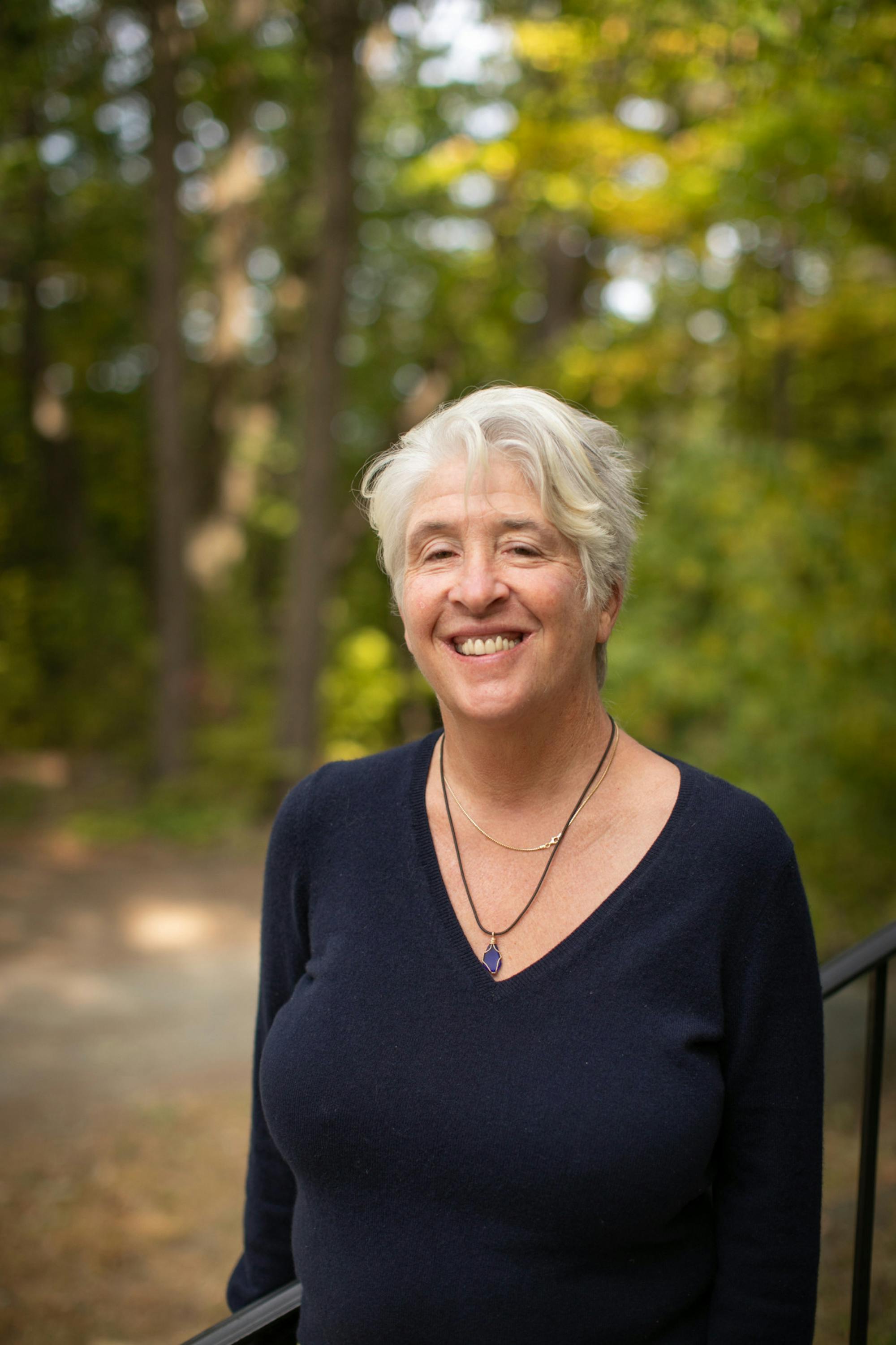
On May 11, history professor Annelise Orleck was elected to the Society of American Historians. Orleck was one of 20 historians chosen by the SAH, which adds new members annually based on “achievement in the vivid and compelling presentation of history.”
The SAH is an invitation-only organization of about 400 historians, according to its website. The organization — which is based at Columbia University — awards prizes for “distinguished historical writing” and seeks to “bring good historical writing to the largest possible audience.”
Orleck’s research has covered American women, immigration, labor history and radical politics. The Dartmouth sat down with Orleck about her election to the SAH, her research on labor activism and her advice for students.
How did you feel when you learned that you were elected to the Society of American Historians?
AO: The Society of American Historians really prizes literary excellence in the writing of history and biography. It was really an honor for me to be elected because that’s what I’ve tried to do, and that’s what I value as a historian.
History is a form of literature. There’s a great tradition in Britain and France, and in many other countries as well, of widely read popular history. In academia, that’s sometimes mocked or belittled. But I think it’s super important. I always wanted to write in ways that reach well beyond experts, and even beyond the classroom.
What drew you to study labor history? What led you to focus on working women and immigrants in particular?
AO: My grandmother was a garment worker. She sewed buttonholes for 40 years. And she told a lot of stories, when I was little, about strikes and radical labor leaders.
When I first got to graduate school, there wasn’t a whole lot on U.S. women’s labor history. I wanted to humanize the historical actors and the people involved in these struggles because, for me, it was intensely personal. It was my grandmother.
I weave together personal stories to try to make a lot of points about aspects of history that people don’t always think about: relationships, motivations, aspirations, disappointments, tensions and infighting. I wanted to tell stories about the struggles for economic, gender and racial justice.
In writing popular histories, how do you balance narrative force with historical rigor?
AO: The rigor comes down to how much research you’ve done. Have you looked at a variety of dimensions? What is the legitimacy of your sources? How many different kinds of sources do you include? I think other narrative historians and I do that every bit as much as non-narrative scholarship.
Storytelling is an interpretive act. You choose stories the same way that a more numerical, statistical or policy-driven historian chooses facts. The kinds of stories that I have put together are themselves interpretations.
In what ways do you think American labor history remains important for understanding contemporary politics?
AO: Earlier labor struggles and the groundwork they’ve laid for contemporary politics are super important. There are challenges now to the National Labor Relations Act of 1935, which gave workers the federal right to organize. That’s been weakened a lot since the 1980s, in part by the policies of the Reagan administration, but also by the actions of private companies.
I think that helps to explain some of the aspects of American politics that are disturbing some people and exciting others. For example, the growing popularity of Democratic Socialists of America candidates, and the general focus on affordability, housing and healthcare.
You’ve researched immigrant labor advocates, Black welfare rights organizations, transnational labor movements and other diverse activist groups. What common threads have you noticed between these projects?
AO: One common thread has been the role of women in these movements. The labor movement in the early- to mid-20th-century was a male-led movement, but it was also a female-led movement. The consumer protests of the 1930s were led by mothers. In the welfare rights struggle, poor mothers were demanding aid for their kids and a floor below which the richest country in the world wouldn’t let its poorest kids fall.
In the global labor movement, so many of the people involved are mothers advocating for their kids. Women’s issues — including pregnancy discrimination, the gender wage gap and resistance in unions to promoting women to authority positions — are very important now, and they were very important 100 years ago.
What advice would you give to students on how to best pursue historical research?
AO: Don’t feel like the only way you can write history is to go into academia. The great thing about the Society of American Historians is that it includes journalists, filmmakers and novelists. I would urge students who love history to think about a wide range of approaches.
The second thing I would say is not to anchor yourself to the conventional kinds of paper sources. They’re important, obviously. Census records, court documents, newspapers, journalists and letters are all important. But so are oral histories, family photographs, clothing, music and movies. I would encourage students to think in creative ways.
This interview has been edited for clarity and length.
Jeremiah Rayban is a reporter and editor for The Dartmouth from Wilmington, Del., majoring in economics. Outside of The D, he enjoys reading, art and trivia.


