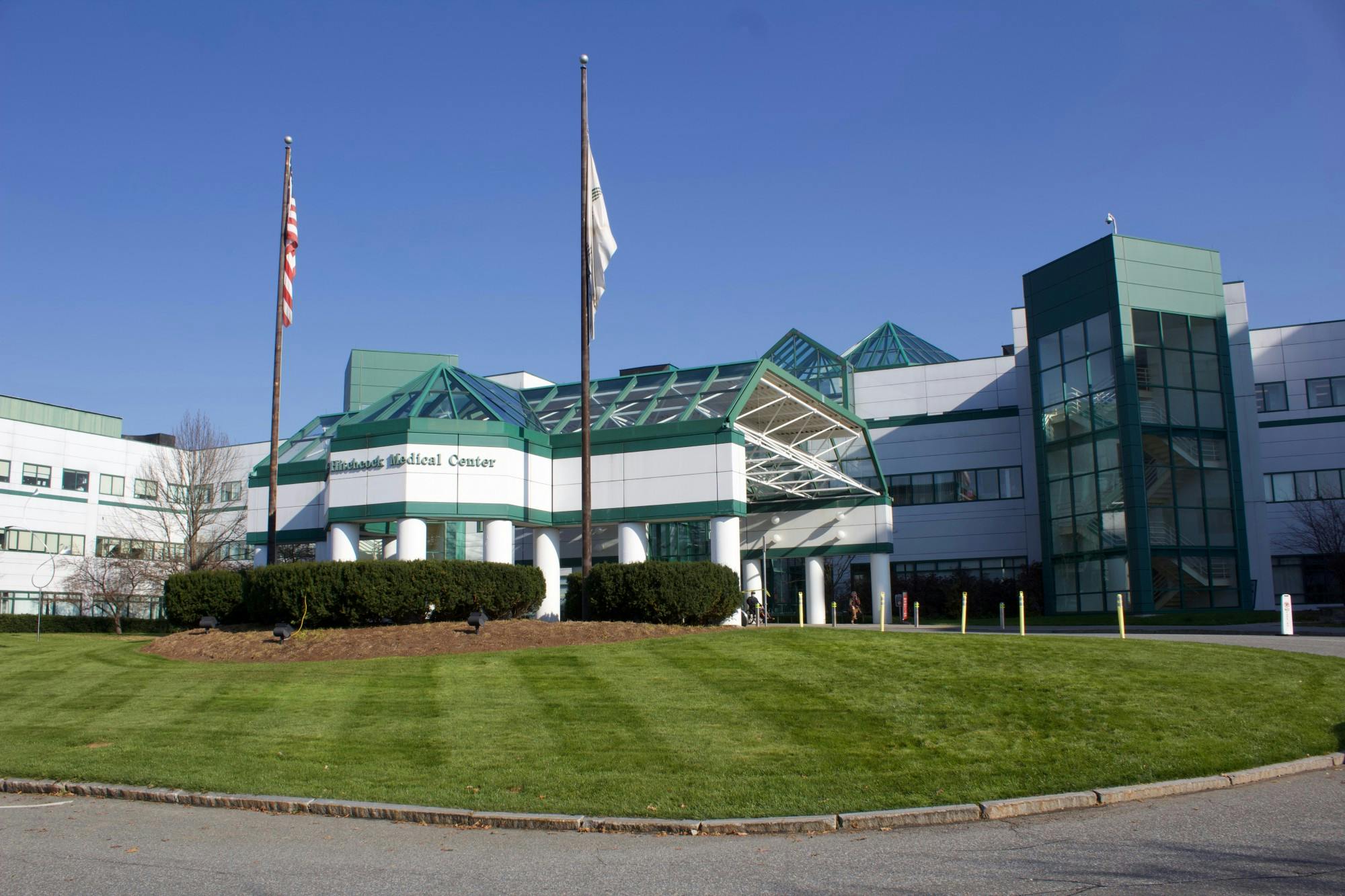
On March 12, Dartmouth Health opened the first addiction treatment center in Claremont, N.H. The Claremont Addiction Treatment Center, Dartmouth Health’s second addiction treatment center in the state, will provide withdrawal treatment and professional specialist resources, according to Dartmouth Health addiction psychiatry chief Luke Archibald.
The New Hampshire Department of Justice required Dartmouth Health to fund and operate an addiction treatment center in Claremont for at least 10 years, New Hampshire attorney general John Formella wrote in an email statement to The Dartmouth.
The long-term plan to fund the Claremont center will ensure “stability and sustainability, so providers can build capacity, retain staff and deliver consistent, evidence-based care,” Formella explained.
While there previously were other community organizations in Claremont that supported people struggling with substance use, the city did not have an addiction treatment clinic that provided immediate substance use services to the degree that the new center will, Archibald said in an interview with The Dartmouth.
The new center comes after the state’s drug-related mortality rates exceeded national averages from 2013 to 2022, peaking at 490 drug-related deaths in 2017. In 2024, however, the state’s drug-related mortality rate experienced its largest decline in the last decade.
Previously, Claremont residents seeking addiction treatment had to travel nearly 25 miles to the nearest center in Lebanon, which is run by Dartmouth’s psychiatry department and funded by the Geisel School of Medicine and Dartmouth Health, according to Geisel psychiatry department chair William Torrey.
Torrey, who oversees clinical operations of treatment services at the Lebanon center, said about a third of Lebanon clinic patients come from Claremont. Without the transportation barrier, patients are more easily able to receive treatment “at the moment they need it,” he said.
“There are people that haven’t been able to access care in Lebanon because it’s just too far away,” Torrey said.
Archibald said the center will provide an intensive outpatient program, a group therapy program, injectable medications for substance use disorders and resource specialists who assist patients in applying for health insurance and accessing healthcare.
The Claremont center will also offer psychiatric care, including counseling, therapy and injectable medications.
“Sometimes it’s hard to get good care for both at the same time,” Torrey said. "You need skilled psychiatrists."
Torrey said that with these services, patients “can do really well with addiction care” because “timely access to high quality care” facilitates positive results.
Archibald said the Claremont center expects to treat around 150 patients per month. The West Lebanon Comprehensive Treatment Center currently treats around 450 patients per month.
The new center will be located across the street from the Valley Regional Hospital in Claremont, which was acquired by Dartmouth Health in 2024.
Torrey said the center’s proximity to Valley Regional Hospital will allow the two to share resources and make it easier for patients to “seek care right across the parking lot.”
Psychology and brain sciences professor Shelly Warlow said addiction treatment centers are very important in facilitating safe withdrawal.
“The biggest impact is having resources and professional, educated people who can help people get out of their current situation and get to a place where they are just able to deal with the withdrawal and getting clean,” Warlow said.
Formella wrote that the center will benefit the broader community because substance use is a “significant driver of involvement in the criminal justice system.”
“This center has the potential to reduce recidivism, support diversion and recovery-focused efforts and ease the burden on law enforcement, courts and corrections, while improving outcomes for individuals,” he continued.
Madeline Kahn Ehrlich '29 is a reporter from upstate New York. She is considering studying English and Public Policy. She enjoys creative writing, art and reading historical fiction.