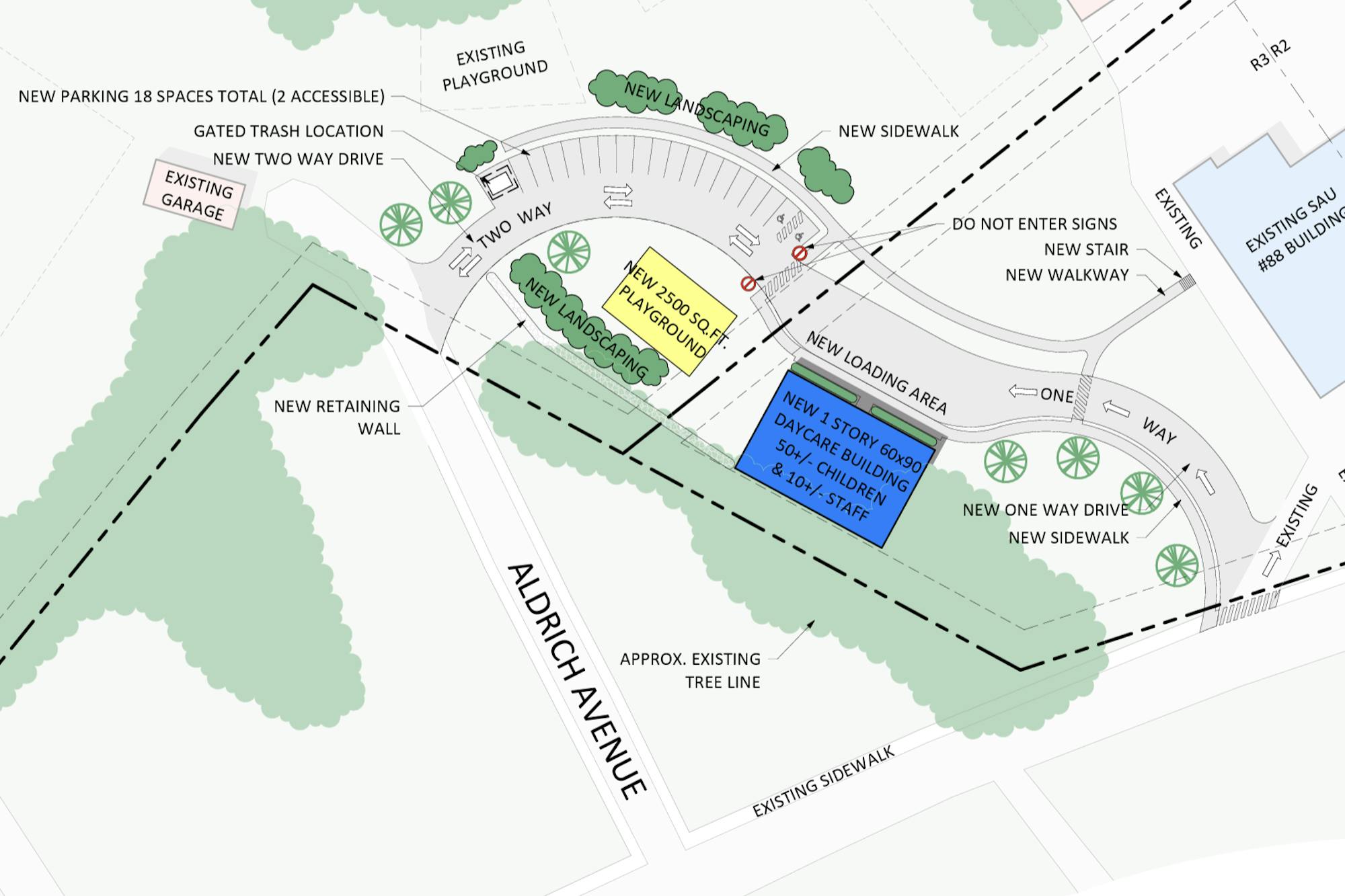
On March 10, Lebanon residents voted to lease land in West Lebanon owned by the Lebanon School District to the Boys and Girls Club of Central and Northern New Hampshire for a new child care facility, with 1586 votes in favor and 449 against. The exact schedule of construction is unknown.
The new 50-seat facility, proposed in January, aims to address a shortage of about 3,800 child care seats in the Upper Valley and is a pared-down version of a 200-seat proposal made in 2023. The 2023 city-led project required $22 million to construct and did not secure the necessary funding to move forward, according to Valley News. The new proposal is not led or -funded by the city.
Twenty-six percent of New Hampshire children lack access to formal child care, according to a Class of 1964 Policy Research Shop project conducted by Dartmouth students in March.
Limited child care availability in the Upper Valley constrains parents’ workforce participation. According to the Policy Research Shop project, loss of work time among parents and caregivers is estimated to cost the state between $700 million and $1 billion in annual economic output.
The new facility’s timeline is uncertain because the project is “dependent on fundraising” rather than taxpayer support, according to Boys and Girls Club of Central and Northern New Hampshire chief executive officer Chris Emond. In an interview with The Dartmouth, Emond said the Boys and Girls Club still needs to earn the “trust and respect” of the Upper Valley.
“The community is new to us, which means we’re new to the donors,” Emond said.
The Boys and Girls Club of America is a nonprofit organization that provides educational, athletic and arts programming for youth across the country. It operates more than 5,500 clubs nationally as of 2026, including after-school programs and child care centers. The proposed West Lebanon facility would be the nonprofit’s first child care facility in the Upper Valley.
Besides fundraising, Emond identified staffing as an issue for starting the center.
“It’s not as simple as just going, ‘Oh, you’re qualified, and when can you start?’” Emond said. “You really have to put a lot of thought into [hiring]. If you don’t, you run into all kinds of problems.”
Phoebe Abrahms ’28, who worked on the student-led Policy Research Shop project, acknowledged that loss of training programs, burnout and retirement are major causes of child care staffing issues. However, she ultimately attributed staffing issues to low wages.
“In New Hampshire, being an early child educator on average is a similar salary to being a fast food worker,” Abrahms said.
The median hourly wage for child care workers in New Hampshire was $15.62 per hour in May 2023, compared to $14.01 for fast food workers and $16.71 for retail salespeople, according to the U.S. Bureau of Labor Statistics. The mean annual wage for child care workers was $32,310 and the mean annual wage for preschool teachers was $41,410.
The Dartmouth College Child Care Center, which provides child care to families of Dartmouth employees, has experienced this shortage firsthand. Their waitlist currently has between 100 and 200 families in need of child care. The center plans to add 20 seats over the next two years, according to D4C director Kara Cave.
“There are so many families in the Upper Valley that are looking for child care, and there’s just simply not enough space at centers,” Cave said.
Abrahms said the new center will only help children who get a spot, and that gaps will remain in affordability, staffing and statewide access.
“Policies that support professional development, child scholarships and any sort of policy that could raise wages are all important ways that can more systematically improve child care in New Hampshire,” she said.
Expanding access to child care in Hanover has been one of Beilock’s key initiatives since her inauguration, according to past coverage. In December 2024, staff at D4C voted to unionize after administrators determined a potential plan to privatize the child care center would not save costs for the College.
Iris WeaverBell ’28, who was one of the students who worked on the Policy Research Shop project, is a News Managing Editor for The Dartmouth. She was not involved in the writing or editing of this article.