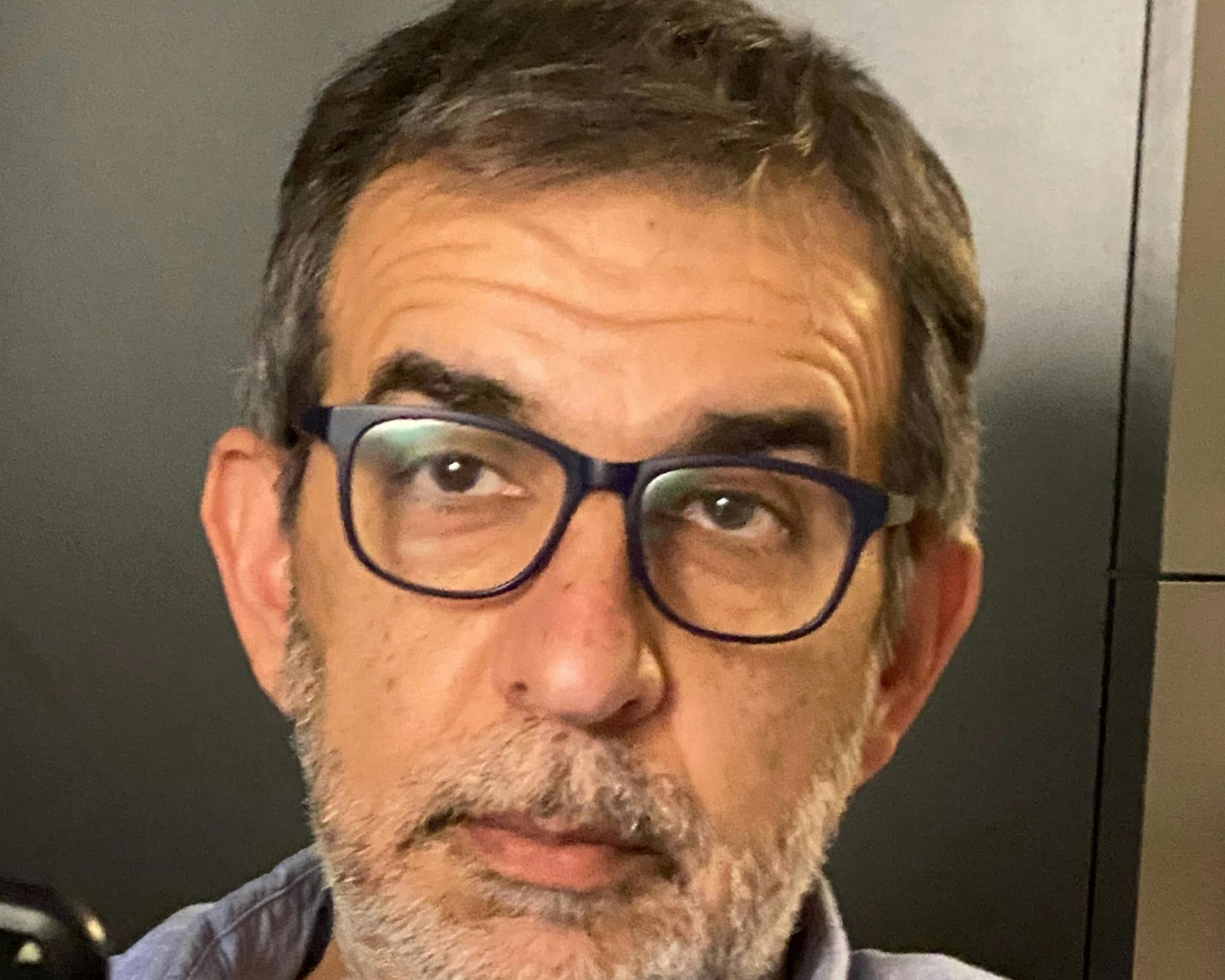
In recent weeks, Iranian citizens across the country have taken to the streets to protest against Supreme Leader Ayatollah Ali Khamenei and the Iranian regime. The protests, which began in late December, were sparked by an increase in inflation and the collapse of the Iranian rial. Ezzedine Fishere — a distinguished fellow of Middle Eastern studies — said that they reflect deeper systemic issues within the country.
Prior to joining the Dartmouth faculty, Fishere worked as a diplomat in Egypt and as a political advisor in various United Nations missions across the Middle East and East Africa. The Dartmouth sat down with Fishere to discuss the social and economic factors that created the current situation in Iran and his predictions for the future of the country.
What economic, political or social conditions have contributed to the current protests in Iran?
EF: Iran has been going through economic difficulties that are pretty acute, and that are heightened by military expenditure, the war with Israel and so on. As a country, it has witnessed mounting disgruntlement because economic issues seem to be at a dead end, and the younger generation doesn’t see an outlet for itself. The ideological discourse of the regime is not as appealing to the young, and the regime — despite its republican element and diversity — doesn’t allow for anything outside the basic tenets of the Islamic Republic, which doesn’t appeal to everybody. If you have followed in the past few years, every few years we have a wave of protest, and every time, it takes a different shape. That tells you there is a systemic problem in Iran.
How do the current protests compare to previous moments of civil unrest, such as the protests for Mahsa Amini in 2022 after her death at the hands of the Iranian morality police. What has changed since then, both in terms of protesters’ demands and the state’s response?
EF: This seems bigger than the protests during and after the Mahsa Amini incident. Obviously, this one captures the anger, resentment and frustration of the previous one, but it also brings in new segments of society that are upset at other things like water shortages, problems with services and economic decay. In between, we had the war with Israel, and the war had a double effect. On the one hand, war is a good mobilizer for people against enemies who want to bring down the country. Nobody wants their country to be bombed, right? But on the other hand, there are also more people who are tired of these wars.
Who is driving these protests? What roles do women, youth and ethnic minorities play — and how does this compare to other protest movements in the Middle East?
EF: We are all kind of guessing because the information that we have is not very reliable, though there are still interesting elements in it. It’s not just women, it’s not just the young and it’s not just anti-regime forces. It’s extremely hard to know who’s taking the lead on this. The protests resemble the Arab Spring a lot because it is multi-centered and not very hierarchical. As we know now from the experience of the Arab Spring, it’s both a blessing and a curse. It’s a blessing because it makes it harder for the regime to quell the protest, because you can go after this group and then there is somebody else, but it’s also a curse, because there is no leadership.
What role do international factors play in these types of protests?
EF: The international dimension doesn’t play a decisive role. Clearly, most of the outside players want regime change. The Iranian regime knows that it doesn’t have many friends in the international community, but they also know that most of the international players would choose stability over anything else. Stability is very important. Nobody wants a country as big as Iran to be in a state of chaos, because chaos is more destructive for the interests of those international players than a bad regime.
Having said this, we are in a very unusual era. We have a U.S. president who’s hard to predict. It’s hard to predict his behavior or choices, even his own administration struggles. One day, we can wake up in the morning and learn he decided he’s going to bomb Iran, or we can wake up in the morning and learn he has made a deal with Iran. We don’t know. I don’t know anybody who knows. I think the most important outside players in this story are Israel and the United States, but whatever happens cannot be predicted.
What do you want Dartmouth students to know about what’s happening in Iran?
EF: We have reports of thousands of people being killed in Iran. And, if you’ve noticed, there isn’t a strong reaction among the public in the region or in the United States. There are no campus protests. Nobody is protesting the killing of those thousands. It’s interesting to observe and to think about why. I think understanding why tells us something about how the region views Iran, and how the global public views Iran. People view it as repressive, but also as a country that is resisting imperialism.
This is what I mean when I say Iran has a strong support base. The regime has strong opposition and a crisis of legitimacy, but it also has strong legitimacy and support that comes from the fact that it is saying “no” to the United States and standing against what is perceived by many as imperialism. Western governments are hostile to the Iranian regime, and a good part of public opinion is hostile to the Iranian regime. This is why I think you’re not gonna find a lot of campus protests like you would have if 500 people are killed elsewhere by another regime.
This interview has been edited for clarity and length.