
I am a sucker for adventure documentaries, from “Free Solo” to “Edge of the Unknown.” So when I saw that the Hopkins Center for the Arts was showing “Mountainfilm on Tour,” I was ready to be similarly enraptured. Curated from the annual Mountainfilm festival held in Telluride, Co., it promised an “evening of adventure-packed short films.”
Unfortunately, the film failed to live up to this promise. However, “Mountainfilm on Tour” effectively portrayed human resilience, beyond the world of sports.
While some of the shorts centered on dedicated athletes such as skiers, mountain-bikers and climbers, others centered on ordinary people including indigenous peoples, immigrants and people with disabilities as they made efforts to create a better future.
The documentary’s main flaw seems to be how it advertised itself, as its promise to at least partially showcase the exhilarating adventurism of extreme sports athletes falls flat. By themselves, the action-centered films are nothing extraordinary — often overlooking the athletes they aimed to highlight in favor of shock value.
The film’s striking, yet ultimately bland, cinematography contributed to the athletic shorts' unexhilarating nature. The segments were beautifully shot — the vibrant coloring and mix of high-speed and slow-motion sequences were stunning on the big screen in Spaulding Auditorium. Yet they were also anodyne in their beauty. Almost all of the action or sports-oriented shorts looked as though they could have been pulled directly from a Patagonia or North Face advertisement, thus giving them an overly polished rather than authentic seeming quality.
By contrast, Keith Malloy and Andrew Schoneberger’s “First In, Last Out” was by far the most impactful of the shorts. It provided a deep-dive into the life of surfing photographer Christa Funk as she navigated Pipeline, a surf break in Oahu, Hawaii, notorious for its danger and difficulty. What made the film so interesting, however, was the comprehensiveness of the storytelling. Like any athlete, Funk is more than her sport, and “First In, Last Out” reflected that. The documentary-style shooting highlighted Funk’s professional and personal journey, including the loss of her father to cancer, and it integrated intimate testimonials with surfers Funk has photographed to showcase her real-world community impact.
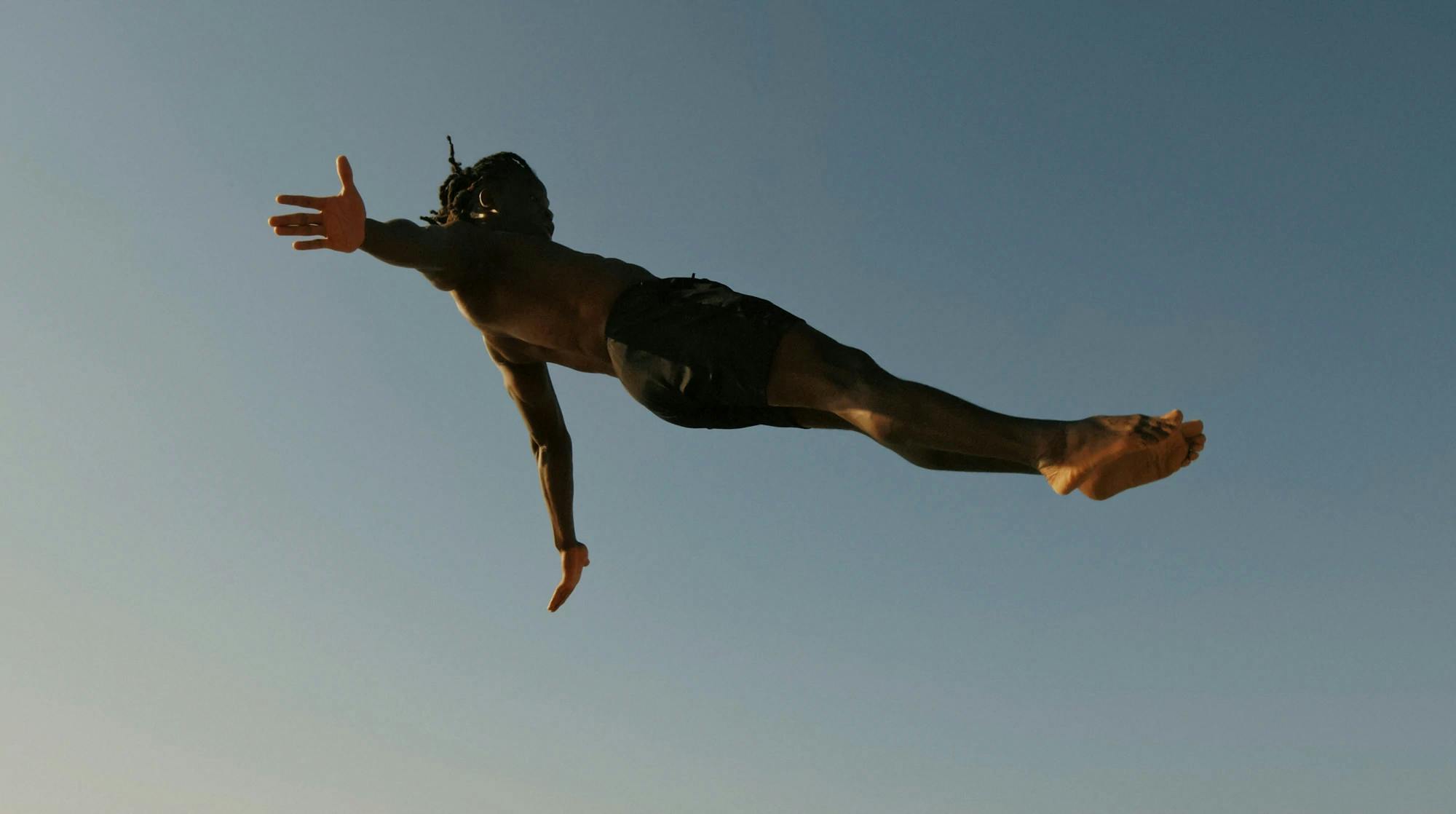
While one could write off this more fully-realized storytelling as an effect of the film’s longer, 25 minute run time, some of the shorter films also achieved similar effects. “MOMO,” which follows the West African acrobat Mohamed Conte as he performs seemingly-effortless flips on a beach at sunset, showcased the sport’s liberating power for Conte through intimate shots — feet digging in the sand, waves lapping over skin — displaying him in his element. In “MOMO” and “First In, Last Out,” the portrait of extreme athleticism did not overpower the sense of the individual.
That said, the best shorts of “Mountainfilm on Tour” were those that showcased human resilience in everyday life. “Your Last Best,” for example, profiled rock-climbing gym Memphis Rox, which offers an accessible haven for struggling youth in the impoverished area of South Memphis, Tenn. A testament to the role of athletics in providing opportunities for human connection, it highlighted the story of a group of motivated individuals who came together to make a community impact around a sports venue.
The line-up was also strengthened by the diversity of its storytelling — a reminder that impact isn’t defined by any singular path. As in the shorts not focused on sports, it can look like entrepreneur and activist Manolo Betancur’s poignant and relevant story in “The Changebaker” as he and his bakery supported underfunded schools and immigrant-owned businesses, advocated for immigrant rights and fundraised for Ukraine. But it can also look like Shanti Gooljar in audience favorite “Shanti Rides Shotgun,” as the iconic NYC driving instructor harshly yet humorously teaches her students to drive in the chaotic streets of Manhattan.
Not all of these human-centered sequences were equally effective. For instance, “Dago’s Boots,” a mellow look into the longstanding history of the custom leather and shoe store, primarily focused on the store’s high-profile Hollywood clientele rather than the owner Dago or his own journey. Still, the short offered a glimpse into the labor that goes into local businesses that can be overlooked.
These stories of everyday heroes are the backbone of “Mountainfilm on Tour.” Though the documentary may have been a let-down in its portrayal of extreme sports, it was still inspiring to watch people’s impactful interactions with the world around them — whether the natural, the social or the political landscape — come to life on the screen.


