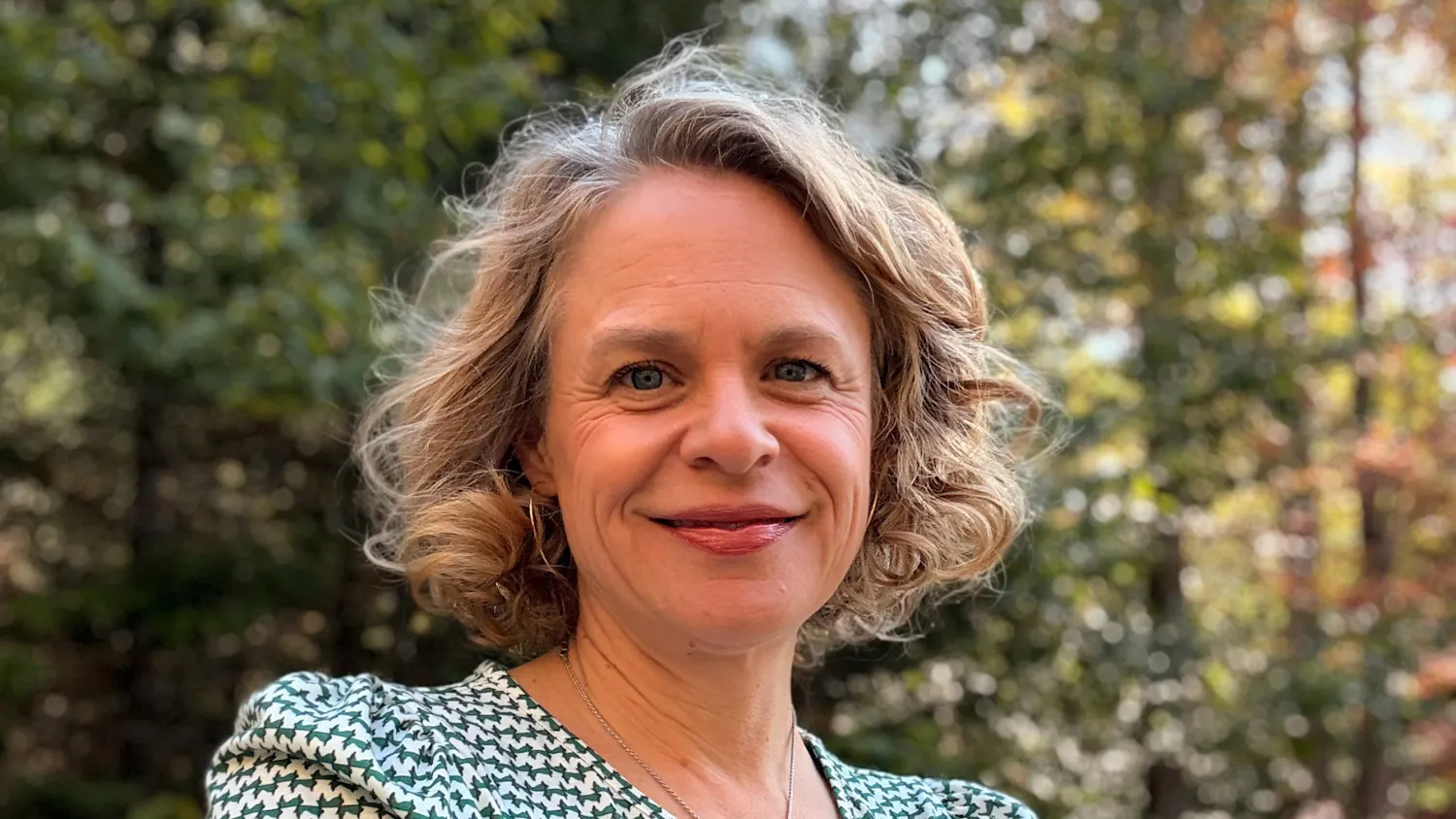
Democratic Congressional candidate Ann McLane Kuster '78 discussed her campaign's platforms and strategies for reducing unemployment, reforming health care and bringing fiscal responsibility to Washington during a meeting of the College Democrats on Monday.
Kuster is one of several candidates seeking to replace Paul Hodes '72, who is vacating the New Hampshire 2nd Congressional district seat in the House of Representatives to run for the Senate. The district includes the Upper Valley, Concord, Nashua and most of northern New Hampshire.
In her speech, Kuster discussed three "crises" that she said are the most pressing issues for policymakers unemployment, health care reform and fiscal responsibility. Kuster said that these three issues must be dealt with immediately.
"Our country stands at a fork in the road," she said.
Investments in national infrastructure are necessary to reduce unemployment, Kuster said. The expansion of broadband Internet access to rural and underdeveloped areas is an important example of needed infrastructure improvements, as such a project would connect rural students and small businesses to the rest of the world, expanding their economic opportunities, she said.
Kuster said that she supports extensive reform of the health insurance industry, including implementing a public insurance option that was part of the House version of the recent health care reform bill.
Kuster served as an adoption attorney for 25 years and has been a public policy advocate for health care issues. According to her campaign's web site, she worked with "a coalition of health care providers" to create the New Hampshire Medication Bridge Program, which assists low-income patients with medication costs.
She sharply criticized the fiscal policies of the Bush administration, which she said were irresponsible. Kuster cited the wars in Afghanistan and Iraq, tax cuts and the prescription drug bill of 2003 as examples of the administration's poor fiscal record.
Kuster described herself as a "frugal Yankee" and said that she would work to restore fiscal responsibility to Congress, noting that health care reform is one possible method of deficit reduction.
"We need to make sure that every tax dollar is spent wisely or not spent at all," she said.
In an interview with The Dartmouth, Kuster said she is distinguished from her opponents by her experience as a community activist. She said that she enjoys a wide base of support from Democrats, independents and even a number of moderate Republicans.
"Our campaign had a big tent from the very beginning," she said.
Kuster said that because of this wide base of support, she is "uniquely situated" to defeat a Republican opponent in the November general election.
Kuster declared her candidacy in June and will be facing state Rep. John DeJoie, D-Merrimack, and Democratic activist Katrina Swett in the Sept. 14 primary. On the Republican side, conservative radio host Jennifer Horn will be up against the 2nd district's former Rep. Charlie Bass, who declared his candidacy on Friday. Bass lost the seat to Hodes in the 2006 general election.
Kuster has worked for Democratic causes for many years, most recently on the statewide steering committees for the presidential campaigns of Sen. John Kerry, D-Mass., in 2004 and President Barack Obama in 2008, The Dartmouth previously reported. She was also a delegate at the 2008 Democratic National Convention in Denver.
Both of Kuster's parents were heavily involved in New Hampshire state politics. Her mother, state Sen. Susan McLane, ran for Congress in 1980, and her father, former Concord Mayor Malcolm McLane 46, ran for governor in 1972.
Kuster said that in addition to her family background, her experiences at Dartmouth helped inspire her to pursue a career of public service. She discussed several of her former professors, including former environmental studies professor Donella Meadows, who died in 2001, as important influences on her world view.
Ultimately, Kuster said, it was the general sense of ambition and purpose at Dartmouth that left the deepest impact on her.
"What affected me most was the feeling at Dartmouth that you can make an influence in the world ... a feeling of caring for one another, and of caring for the country as a whole," she said.