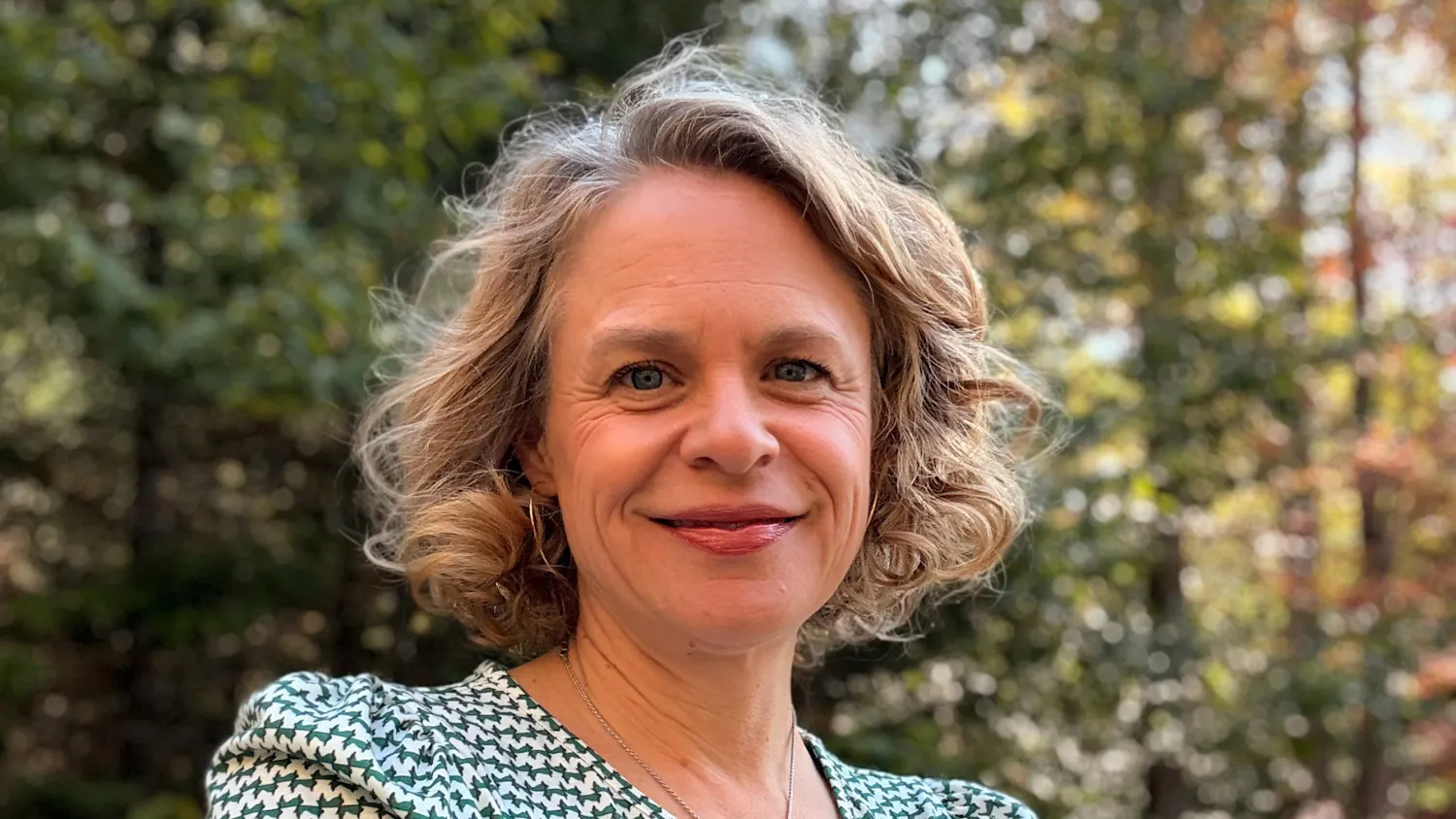
The panel included Audrey Brown, assistant to the director of the RAND Corporation's Financial Literacy Center, and Janet Cote, regional manager for MicroCredit-NH a non-profit corporation that provides resources for small businesses in the Upper Valley.
Brown discussed national efforts made by the RAND Corporation a nonprofit global policy think tank to promote financial literacy, the importance of savings and retirement strategies among various at-risk subgroups in the wake of the past year's financial crisis.
"The financial crisis has shown how dire financial mistakes can be to individuals and to the country," Brown said.
Although financial illiteracy is widespread throughout the nation, it has especially damaging effects on certain subgroups, including low-income 18- to 30-year-old women and single mothers, who are particularly apt to make financial mistakes, Brown said.
"The groups that can least afford to make financial decisions are the groups that appear to understand the least how to avoid these mistakes," Brown said.
The growing complexity of managing personal finances also makes it more difficult to become financially literate, Brown said.
"People are not any dumber or smarter than they used to be, but financial decisions and contracts have become much more complex than they used to be," Brown said.
Brown cited several examples of national research projects aimed at increasing financial literacy, including the Doorway to Dreams Fund, a Harvard-based project that seeks to promote financial literacy through a video game developed by Harvard researchers called "Celebrity Calamity."
"The game makes you the financial manager for an up-and-coming celebrity, and in the process teaches you how to pay more than the minimum on your credit card payment, minimize your credit finance charges, avoid all late fees and make good annual percentage rate choices," Brown said.
Other initiatives employ commitment contracts to promote financial literacy through monthly or bi-monthly "financial health checks," which ensure that individuals are reaching their financial goals.
Brown said finding "teachable moments" is the key to producing financially-literate individuals.
For example, an opportune time to distribute simplified financial information is when people enter a new job and must make many financial decisions very quickly, Brown said.
MicroCredit-NH and other community-oriented finance organizations can play an important role in periods of economic downturn, Cote said.
"MicroCredit creates the opportunity for people to have access to loans during this economic downturn," Cote said.
The company seeks to increase small business owners' economic stability by providing financial training tutorials that help "build business skills, learn business language and ultimately make their business bankable," Cote said.
The MicroCredit loan program allows people to gain access to assets that would not otherwise be available to them by giving small businesses access to up to $5,000 in loans without credit checks, collateral or a business plan, Cote said. The program has a 95-97 percent rate of repayment on loans, Cote said.
Shuster said that because she works to improve financial literacy as a social entrepreneurship fellow, she organized this event to share information on the topic with Dartmouth students and nonprofit representatives.
"This panel is an opportunity to empower local service providers, community members and students by learning how exactly to integrate financial literacy into local programs and how to enhance access to capital and microcredit services," Shuster said in an interview with The Dartmouth.