
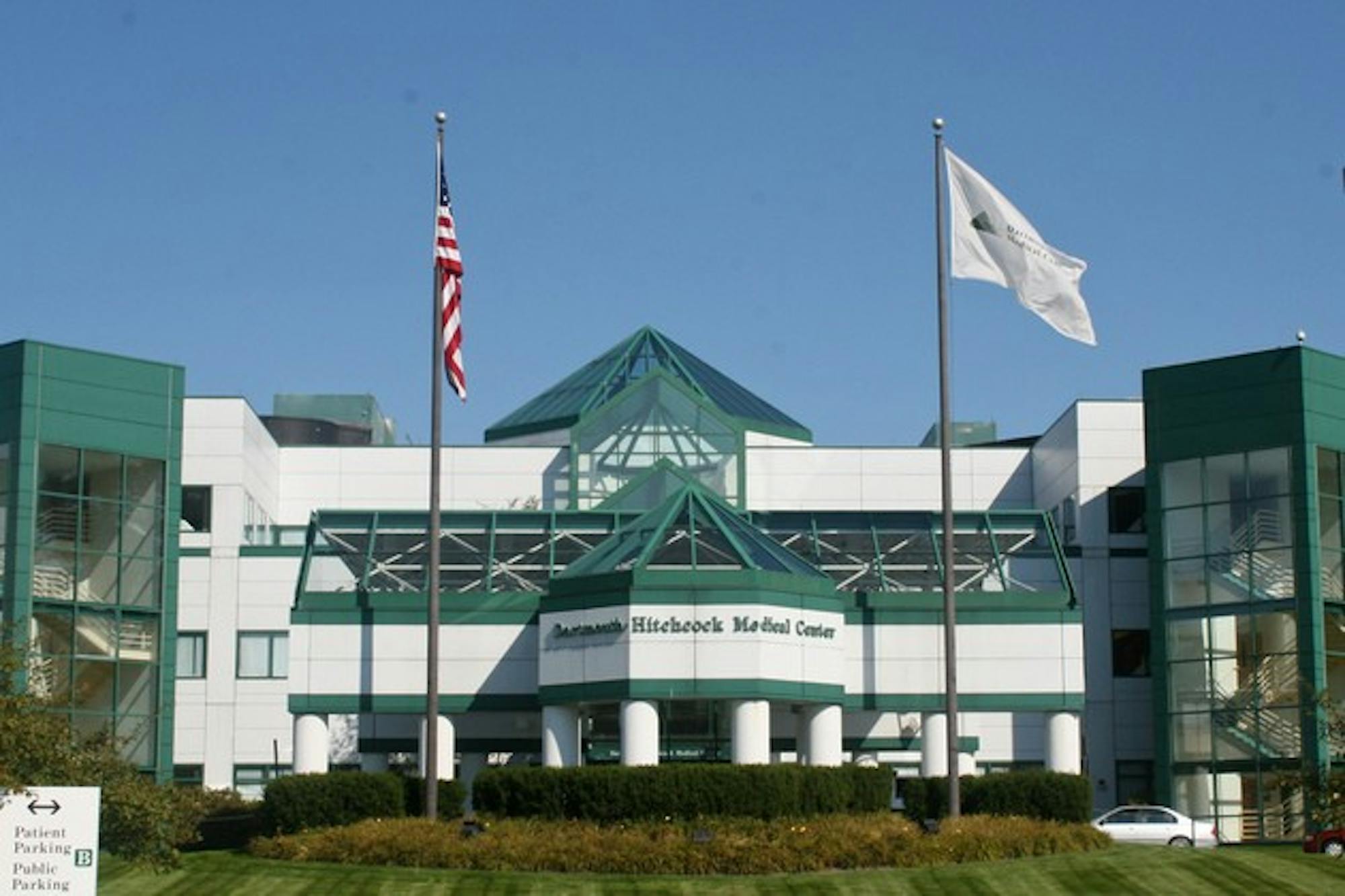
The New Hampshire House passed a proposal in April to restore the $7 million that CHaD was set to lose, McDougall said. The state Senate will vote on a proposal that would reinstate $2 million in funding later this week. If the Senate proposal passes, the two chambers will then need to agree in conference on a final figure, he said.
The proposals are an "attempt to provide more compensation for the uncompensated care that the hospital provides," finance committee chairwomen Rep. Marjorie Smith, D-Strafford, said in an interview with The Dartmouth.
Exactly how much of the loss will be recovered is difficult to predict, McDougall said.
"There will be some restoration of funds to CHaD the question now is how much," he said.
While Smith said she could not predict the exact amount of funding that will be allocated for DHMC, she said that "the House has great respect for the Children's Hospital at Dartmouth."
The Senate finance committee unanimously agreed on the $2 million figure last Thursday and recommended it for a vote by the full Senate, McDougall said. The measure is likely to pass when the Senate votes on the proposal later this week, state Sen. Matthew Houde '91, D-Plainfield, said.
The loss in funding would not mean that CHaD or DHMC would cease to function, but rather that there would have to be significant cuts to services, McDougall said.
"There are 31 things that CHaD does that only CHaD does in New Hampshire," he said.
The losses would also increase the $44 million in DHMC services that state Medicaid payments currently fail to cover, McDougall said.
"The level of compensation under Medicaid does not meet the costs that the hospital incurs," Smith said.
To reduce CHaD's possible deficit in the future, the House proposal classified CHaD as the only pediatric hospital in New Hampshire, McDougall said. This distinction would "differentiate rates" and increase Medicaid payments to the hospital, he said, because of CHaD's unique position.
The initial budget cuts resulted primarily from the state's current economic situation, McDougall said, though the state is always at a revenue disadvantage.
"The state budget in New Hampshire is always challenged on the revenue side because there are low broad-based taxes," he said.
Smith agreed that funding is a recurring issue in the state.
"Every two years, we struggle to make difficult choices," he said. "It's more so this year."
Funding for the training of Dartmouth Medical School students at DHMC had originally been slated to be cut, but is now likely no longer in jeopardy, McDougall said. The House's proposal and the Senate finance committee's recommendation both include this funding, he said.
After learning of the state's budget cuts several months ago, officials at DHMC and CHaD initiated an extensive grassroots campaign to restore funding to the hospital.
"I'm very concerned with funding levels for the work that CHaD does and the work that DHMC does," Houde said.
State Sen. Lou D'Allesandro, D-Manchester, the Senate finance committee chairman, was not available for comment by press time.


