His newest show, "Fringe" (2008), probes further into the paranormal and arrives just in time to benefit from the recent resurgence of science fiction in mainstream entertainment.
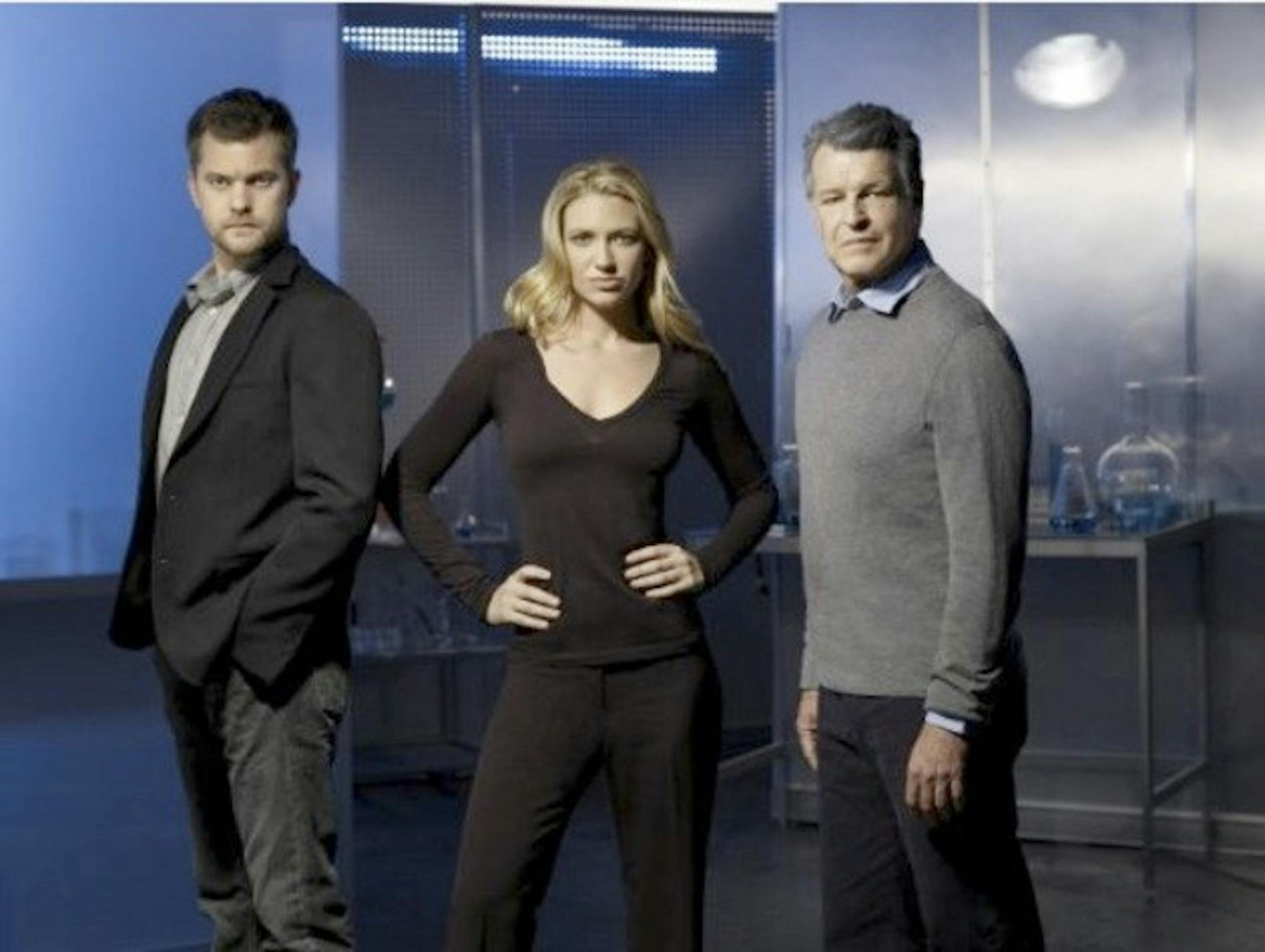
"Fringe" follows FBI agent Olivia Dunham (Anna Torv), as she joins a paranormal crime-fighting team to identify a string of occurrences known as "The Pattern."
Olivia, Peter Bishop (Joshua Jackson) and his dad, Dr. Walter Bishop (John Noble), investigate some fairly disturbing cases -- a bus full of suffocated people trapped in an amber-colored gelatin, for example.
The show enjoyed only a lukewarm reception during its pilot week, garnering just over 9.13 million viewers. By the second episode, however, the viewership had jumped to 13.27 million people. Suddenly, "Fringe" became one of the most-watched shows on television.
Abrams has certainly created a noteworthy show. It maintains a murky and threatening mood that adds to thrilling action sequences and suspenseful storytelling.
The show's only weakness is its lack of talented actors. Viewers specifically find fault in Australian actress Torv's facial expressions, which never seem to match the words coming out of her mouth. She visibly struggles while trying out an American accent for the first time. Perhaps by focusing too much on nailing her accent, she is distracted from her delivery.
The show's intriguing story line helps compensate for Tory's inadequacies. The relationship between Peter Bishop and his father, Dr. Bishop, who had been locked up in a mental institution for several years when Peter enlisted his help in solving the strange "Pattern" cases, is particularly interesting. John Noble, whom many will recognize as Denethor from "Lord of the Rings: Return of the King" (2003), exceptionally conveys Dr. Bishop's insanity.
Jackson effectively portrays the cynical and skeptical Peter, especially when his character grapples with all the "fringe" science experiments that are central to the show -- everything from mind-reading and reanimation to electromagnetic mutant powers and precognition.
In light of a recent reinvigoration of the sci-fi genre in both the television and film industries, "Fringe" has managed to attract many viewers who would not even consider themselves sci-fi fans.
NBC's supernatural series "Heroes"(2006) was one of the most successful new shows of its pilot year, snagging both 15 million viewers and an Emmy nomination for Best Drama. "Lost," which most viewers consider to be sci-fi, was also a big hit during its pilot season, drawing 18 million viewers for its first episode.
These shows managed to find a balance between slick, attractive filming and interesting, offbeat, science-related story lines. In other words, there was as much romance and action as there was science-fiction.
Abrams' last big challenge with "Fringe" is to not prevent the show from getting bogged down by its own mythology. Hopefully, he will focus more on answering the big questions rather than creating more of them.
"Fringe" airs Tuesday nights on FOX.