
On Feb. 8, at the fifth weekly Dartmouth Student Government meeting of the winter term, senators discussed a potential amendment to the current senator residency policy. The policy currently requires candidates to be in residence for at least two of the three regular academic terms — fall, winter and spring — following their election.
In a roll call vote, the amendment did not pass, with nine senators against, two in favor and five abstaining.
The amendment, proposed by South House senator Jason Zhu ’28, would have changed the current residency policy so that senators must be in residence, or on campus for physical DSG meetings, for two of the four academic terms following their election. Zhu created this amendment partly in response to an impeachment trial in the fall term where a senator was facing impeachment after he “was not available for two of the three terms.”
“I want to be able to address that mistake and say that we have so many qualified candidates who are able to represent their people in person,” Zhu said. “Why not give it to them?”
Zhu additionally noted that with the current policy, senators have chosen to be in residence during the summer term, when DSG does not vote, and then not in residence for two academic terms in the same year, which Zhu argued does not “make sense.”
School House senator Hanna Bilgin ’28 was opposed to the amendment, arguing that it would “exclude globally-engaged students” and would prevent and “penalize” students who want to participate in study abroad or internship opportunities outside of Dartmouth from becoming a senator.
Bilgin added the idea that “representation should not depend on physical location” and that DSG’s current system, which utilizes Zoom to allow senators not in residence to participate in meetings, works.
“Dartmouth actively promotes global citizenship, … broad participation and leadership development, and blocking senators sends the opposite signal,” Bilgin said.
West House senator Luca Nacimiento ’29 suggested that to “compromise,” ballots could include information regarding a candidate’s D-plan. For example, if a candidate will not be in residence for two terms to allow, the ballot would reflect that and allow students to decide if they still want that senator to represent them.
East Wheelock senator Sud Paul ’27 disagreed with Nacimiento and suggested that DSG prioritize active engagement, while also allowing participation on Zoom for senators who are studying abroad or off for the term.
“I think there’s better ways to go about this than shutting off a bunch of people from being able to run,” Paul said.
North Park senator Ryantony Exuma ’26 agreed with Paul and suggested finding a “middle ground” between allowing senators to study abroad while also ensuring they can actively engage in DSG work, noting that since Zoom is “not precisely the best way” of carrying out the work of student government.
“I would push us to move to find a better alternative where we’re kind of incentivizing [people] to still be here on campus, but not fully pushing people or impeding them from being able to run,” Exuma said.
At the weekly meeting, Student Issues Director Isla Walker ’29 also shared that Residential Operations is planning to expand amenities in common rooms by adding couches and additional furniture. Residential Operations is also planning to create user-friendly radiator guides and continue to address student concerns regarding mold in bathrooms.
Following a recent meeting with dining services, Bilgin shared plans to purchase vegan Fresh Zones and install them around campus. Dartmouth Dining is additionally working on offering more diverse food options and increasing the number of protein options and seasoned vegetables in the Class of 1953 Commons, according to Bilgin.
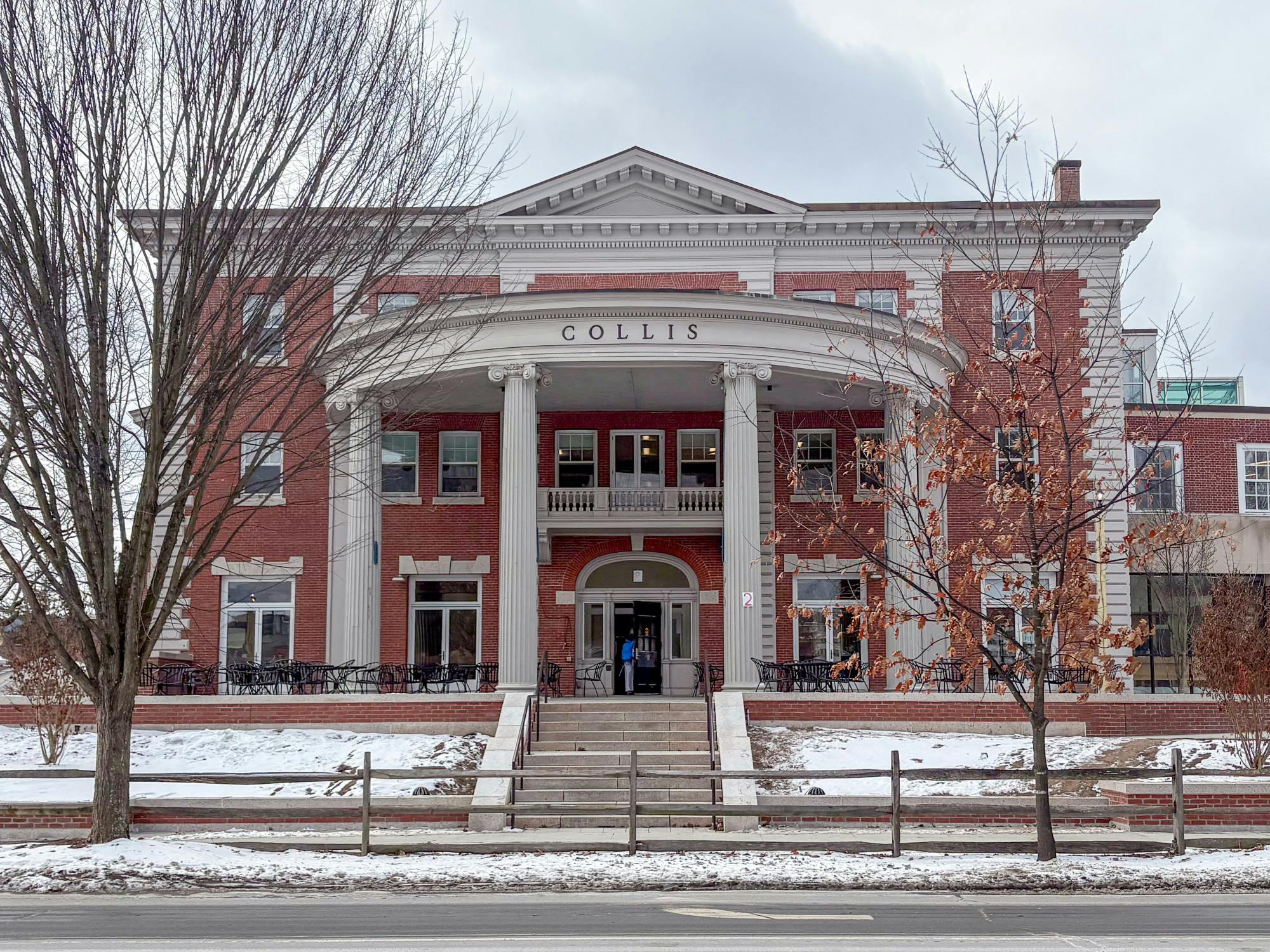
North Park senator Issa Allison ’29 noted plans to create a medicine vending machine at Collis and a prayer room project to increase access to prayer mats in dorms. Allison said he is working with Dick’s House to lower Dick’s pharmacy medication prices to be more comparable with that at CVS.
DSG Senate meetings occur weekly on Sundays at 7 p.m. in Collis 101 and are open to all students.
Kailyn Holty ’29 is a news reporter from Redwood City, Calif., and is majoring in economics and quantitative social science.


