New Hampshire is facing one of its sharpest flu surges in recent decades, with the U.S. Centers for Disease Control and Prevention currently classifying the state at a “very high” risk level for influenza activity.
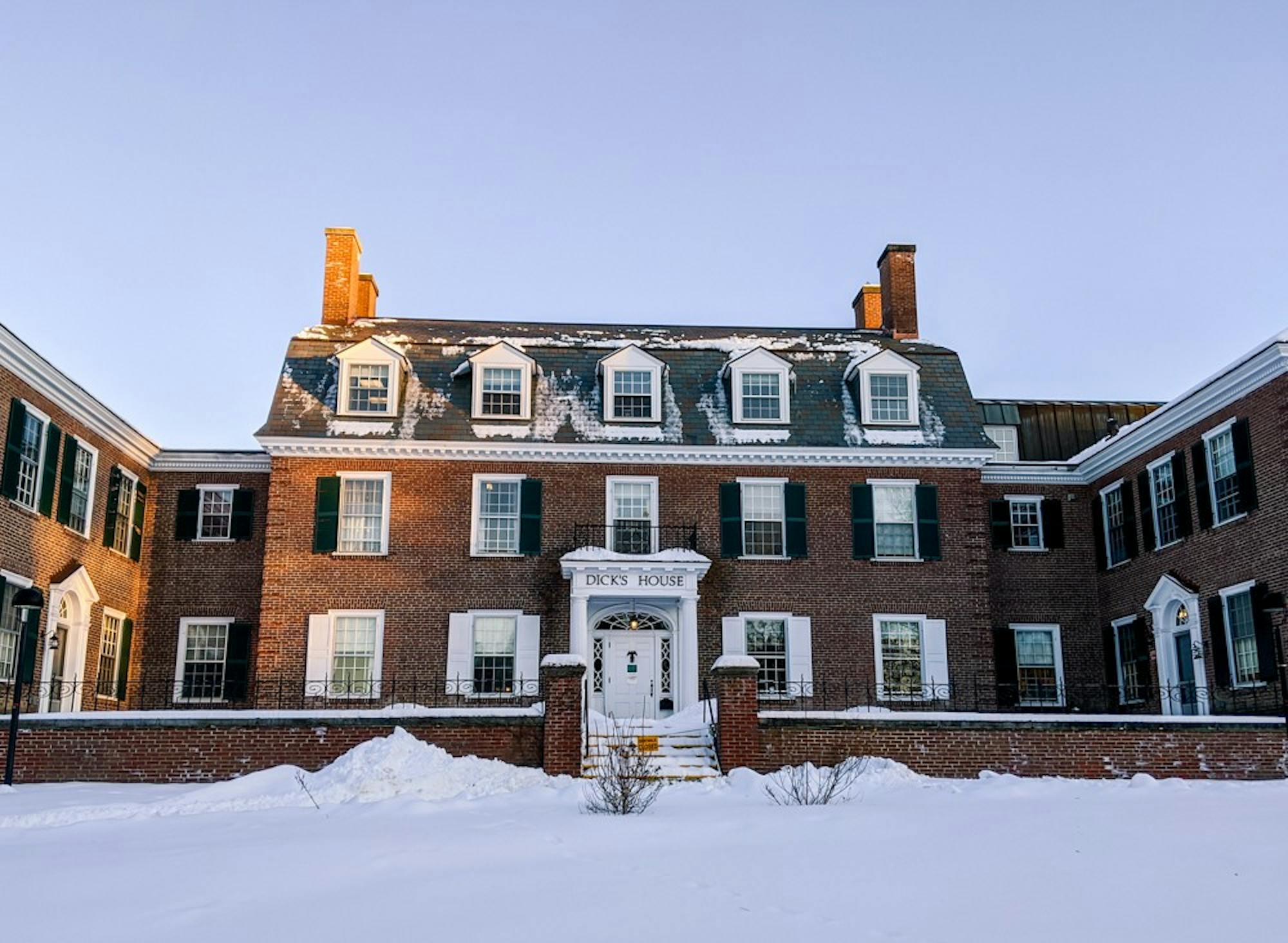
Dartmouth’s campus is already feeling the impact. Between Jan. 5 and Jan. 15, Dick’s House identified approximately 46 positive flu cases among students, according to Dick’s House director of nursing Lauri Gallimore.
“Forty-six cases [in 10 days] is a lot in comparison to previous years,” Gallimore said. “For example, in the 2024-25 academic year, we had 58 cases in the whole month of January.”
This year’s numbers suggest that Dartmouth will surpass that total well before the month ends, according to Gallimore.
The surge at Dartmouth reflects broader trends across the Upper Valley and New Hampshire. Geisel School of Medicine professor Gabriela Andujar Vazquez, who specializes in infectious disease, said flu cases began sharply rising statewide in mid-December.
“In one to two weeks, we saw an exponential increase in both influenza-like illness visits and lab-confirmed flu cases,” Andujar Vazquez said. “We’re seeing such high levels of infections, and so quickly … the state was basically overwhelmed with flu.”
Nationwide, the CDC has reported that doctor visits for flu-like symptoms have reached the highest level in nearly 30 years. For the week ending Dec. 27, 2025, nearly one in 10 outpatient visits were for flu-like illnesses, the highest rate recorded since 1997, according to CBS News.
According to Andujar Vazquez, this flu season has been “predominated” by an “Influenza A (H3N2) strain” called Subclade K.
“It has accumulated a significant number of point mutations, and when it does that, we can usually predict a flu season where we may see a sharper increase in cases because it spreads more efficiently,” she said.
While symptoms remain familiar — fever, muscle aches and extreme fatigue — Gallimore noted that even standard cases can be highly disruptive on a residential campus.
“I hear students say, ‘I feel like I’ve been hit by a truck,’” Gallimore said. “Even if it’s not severe, it can take students out of class for days.”
College campuses are particularly vulnerable to flu transmission due to close living quarters, shared dining spaces and crowded classrooms, according to Gallimore.
“You’re talking about droplet transmission,” she said. “If you have students sitting 10 to a table in the dining hall or living in dorms, that naturally increases the chance of spread.”
At Dartmouth Hitchcock Medical Center and across the Dartmouth Health system, the surge has begun to strain resources, according to Andujar Vazquez. She said that while the system continues to maintain capacity, the respiratory season places pressure on emergency departments, urgent care centers and staffing.
“When respiratory season hits, it’s not just about beds,” Andujar Vazquez said. “It’s staffing capacity, emergency departments, urgent care — the places where people seek care first. Even a moderate season creates constraints, and this season isn’t moderate.”
Vaccination remains a central part of prevention efforts, according to Gallimore. She said “most people who are hospitalized with severe flu complications are unvaccinated,” while vaccinated individuals who test positive for flu generally have less severe illnesses.
Public health messaging this season has also been shaped by recent national changes to flu vaccination guidance. In early January, under health secretary Robert F. Kennedy Jr., the CDC announced an overhaul of the childhood vaccine schedule, reducing the number of recommended vaccines from 17 to 11, according to NPR. The flu vaccine was one of the six removed vaccines.
Dartmouth Health rejected the new guidelines in a Jan. 7 press release.
While it is too soon to know the effect of the new recommendations on children this season, Andujar Vazquez said declining vaccination trends are already concerning.
“We estimated about 13 million fewer flu vaccine doses distributed this year compared to last year,” Andujar Vazquez said. “Even before those changes, we were already on a trend where people are not getting vaccinated against influenza.”
Andujar Vazquez said that while the influenza vaccine is “by no means perfected in efficacy,” it continues to decrease the risk of severe illness or hospitalization.
In an email statement to The Dartmouth, Dartmouth Student Health Service director Mark Reed wrote that flu shots are available to students on campus and at local pharmacies.
“Staying home when you are sick and taking simple precautions when symptoms arise are among the most effective ways to keep our community healthy,” Reed added.
Haley S. Rodriguez ’29 is a reporter with roots in New York City. She is studying history and biology and enjoys long-distance running, reading and sailing.