On Oct. 29, Republican Gov. Kelly Ayotte lifted New Hampshire’s statewide fire ban, ending a five-week prohibition on open burning and smoking in or near woodlands.
While citizens can make fires after 5 p.m., Hanover fire chief Michael Gilbert said students should still be “really cautious of when and where [they are] burning.”
“You don’t want to be too close to anything combustible … or too close to your home,” Gilbert said.
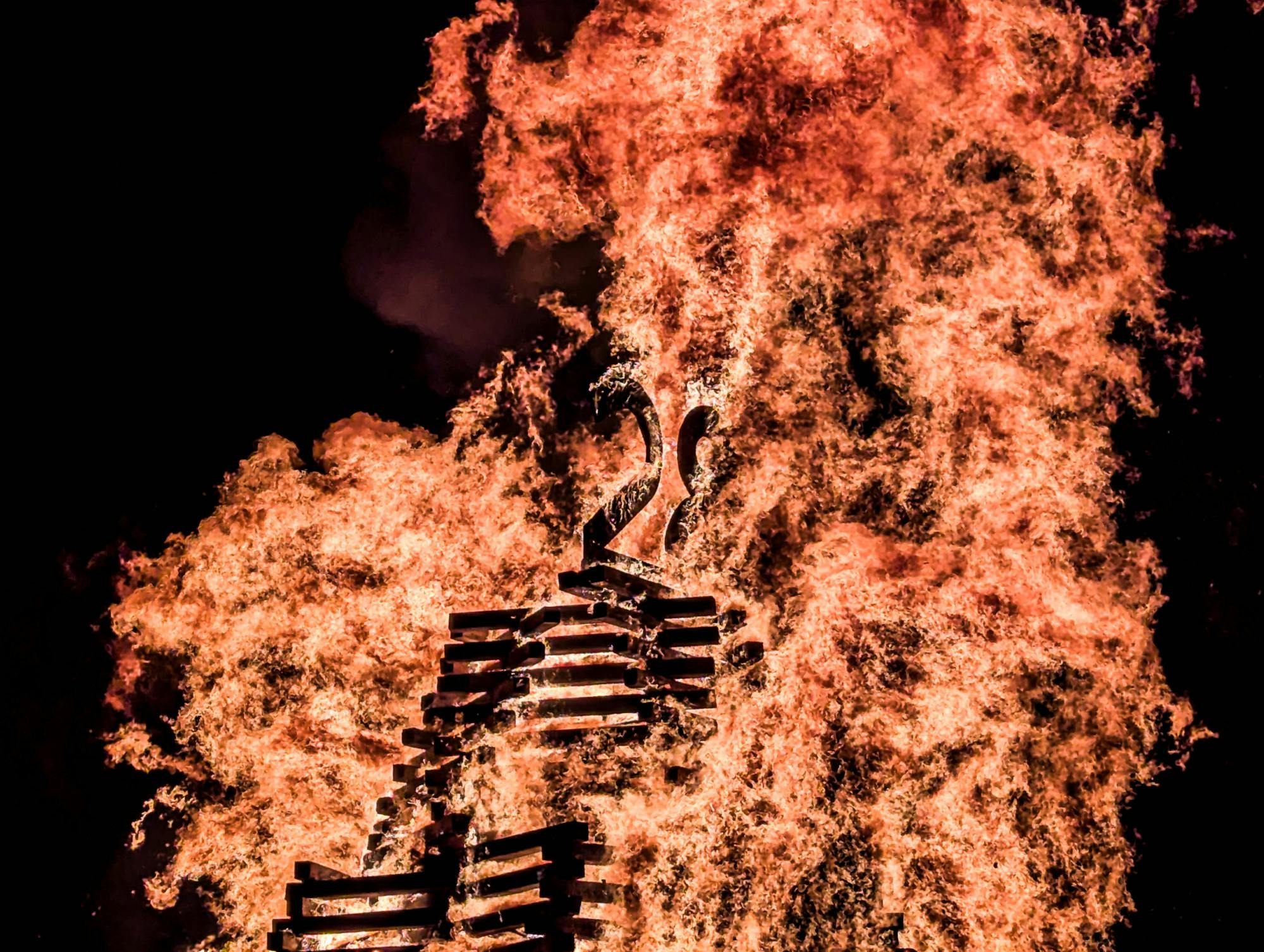
The impact of the burn ban rippled across the state. The College, for example, canceled the annual Homecoming bonfire — replacing it with a lightshow. Some students expressed disappointment at the change, including Skyler Taylor ’29, who called it a “shame.”
Steven Sherman, chief of the New Hampshire Forest Protection Bureau, said the ban was triggered by dry surface fuels and soil moisture readings monitored statewide. He noted that “more rainfall” and increased soil moisture were “big indicators” that the ban could be lifted.
“As we got into a weather pattern with more rainfall, those conditions improved drastically for much of the state,” Sherman said. “Wildfires are harder to start when you get into those wetter conditions, and they’re less likely to burn deep — which was what was causing us a lot of problems from August into September.”
This summer saw “30 percent to 40 percent lower rainfall than normal,” according to earth sciences professor Erich Osterberg. Osterberg added that “there are real impacts to these droughts.”
“People’s wells are going dry [and] farmers are struggling,” Osterberg said.
However, Osterberg said that this summer ran “counter” to past trends.
“In general, it’s been getting wetter in the Northeast, which would tend to decrease fires — even though it’s getting warmer,” Osterberg said.
Sherman said that “it’s hard to know” whether the state will restore the fire bans in the future due to these “shifting patterns” in the state’s climate.
“What we’re seeing more of is flash droughts,” Sherman said. “We can have a wet period and then all of a sudden it doesn’t just stop raining — we get very low humidity and a lot of evaporation, and it dries the fuels out really quick.”
Will Sánchez '29 is a reporter from Portland, Ore., studying government and psychology.