
From Oct. 2 to Oct. 19, Shaker Bridge Theatre in White River Junction, Vt., put on “Eureka Day,” a 2018 play by Jonathan Spector that follows a private elementary school board as it deals with a mumps outbreak. Given the significant population of unvaccinated students, the board disagrees and fractures over the right approach to the issue. With standout performances from the Shaker Bridge Theatre cast, “Eureka Day” is a mostly effective play that explores the negative underside of making decisions by forced consensus.
At the start of the play, new board member Carina (Jammie Patton) tries to motion for a vote. In response, she is gently told by the school board president Don (Gordon Clapp) that the board doesn’t do majority votes; instead, the consent of all members must be obtained for a policy to come into effect. When it is time for her to affirm her consent, Carina says “I concede?” instead of “I consent.” This verbal gaffe underscores the central theme of “Eureka Day” — how in lieu of genuine consent, forced consent amounts to forced concession.
More serious than act one, powerful moments in act two between Carina and strong-willed fellow board member Suzanne (Danielle Cohen) demonstrate how the goal of forced consensus buries group issues until they come to a nasty head. In one scene, the school board president Don tries to make a list of universally supported values in his rush for consensus. After a small fight, Suzanne says that one such value should be that all viewpoints should be heard and respected. After a beat, however, Carina replies “No,” arguing that not all viewpoints deserve the same respect. Her simple yet powerful response underscores the point of the entire play — forcing consensus has a chilling effect on people’s capacity to share their views.
As the cool and power-hungry Suzanne, Danielle Cohen gave a standout performance that grew more impressive as the show went on. Her final scenes were nothing short of incredible. She pulled out all the stops with biting monologues and skilled acting, commanding scenes where it seemed like the board was entirely against her. Patton also gave a strong performance as Carina, who comes to understand that the board is fundamentally flawed over time.
Alongside Suzanne, Jon Protas gave an admirably sharp and irksome performance as board member Eli. On the other hand, although Clapp effectively portrayed the president’s nonconfrontational-to-a-fault approach, Don’s anger didn’t quite come through in the higher-intensity scenes.
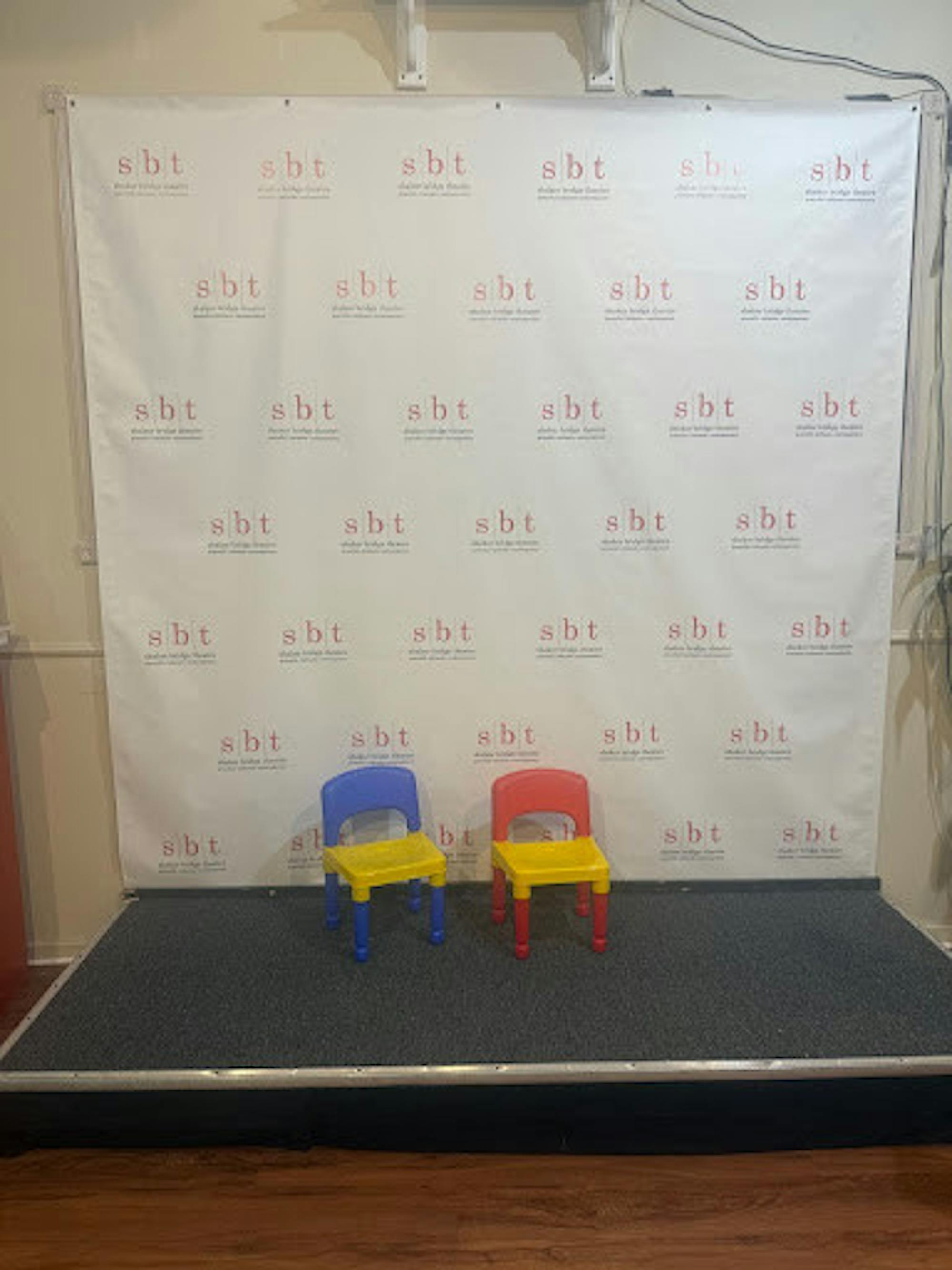
The stage design in Shaker Bridge’s intimate 240-seat theater was brilliant. Consisting of chairs from a kindergarten classroom around an alphabet rug on which the board members sat for almost the entire show, it reinforced a core conceit — that the adults were acting like children. Spector’s decision to set most of the show in the tense, coddled board room sharpened the play’s focus.
However, I found that the blocking and staging of the production left something to be desired. Scene three is a raucous comedy bonanza where a virtual “community-activated conversation” becomes a playground for community members to fight over vaccinations on Zoom. That said, I thought the scene’s staging focused more on the extrinsic comic relief of the Zoom call than the funny and plot-important lines of the cast. Although the display of a live chat feed on the screen behind the stage was a funny addition at the start of the scene, by the end of the scene, it stifled key moments such as an important revelation by Eli.
While I found the themes of “Eureka Day” impactful, some of its plot points were less effective. The addition of one romantic plot, for example, felt undeveloped and out of place.
“Eureka Day” argues that prioritizing comfort for all voices and equality across all viewpoints does not work. Up until the very end of the show when Carina voices her defining “No,” characters almost never finish their sentences. Instead, they refer to the most pressing concepts in the show — anti-vaccination and school reopening, including petitions to force vaccine mandates for school reentry — through stunted phrases. It’s like they cannot bring themselves to say what they’re thinking out of fear of offense.


