
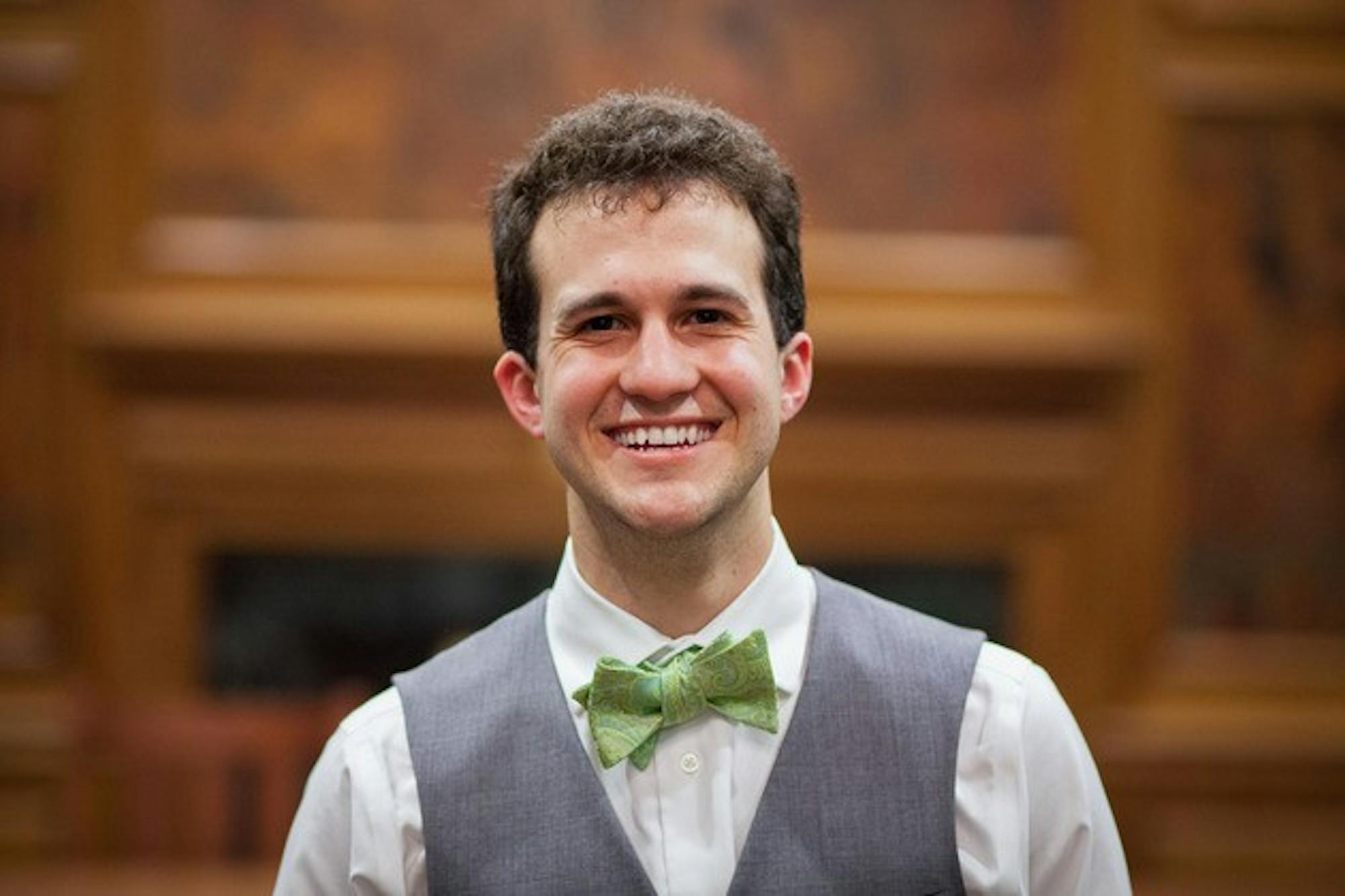
Every spring, Dartmouth holds elections for Student Assembly and, each year, students repackage the same promises to restore the Assembly's reputation and make it more effective. While the candidates' plans are often light on specifics, they never fail to make it clear exactly for whom you should vote. These students step forward to argue that only they can reform Student Assembly and ease the troubles of the student body. They say that, as long as they win the election, they can make a difference.
This is how Student Assembly gets set up for failure. The students who bother to run for president eagerly want to effect change but find out post-election that winning did not give them the ability to deliver their promises. The student body president does not have the authority to govern anybody he or she is just someone who is trying to solve our collective problems. But the problems facing our community are tough ones, and solving them is beyond any one person. What is worse is that the most interested and qualified people to help out disappear when they lose the election. As soon as they feel shut out of the process, they take their ideas, their passion and their belief in the potential of student government with them.
As a campus, we should aspire to a process that is better than this. The enthusiasm to improve Student Assembly needs to outlast a single week of campaigning. I have already committed to leading Student Assembly full-time on a Hanover leave term this summer, should I be elected. More importantly, however, I want to make sure that the dedication and passion of anyone running for a student government office supersedes election results. That is why I am making a public pledge to commit 12 hours per week to the next Student Assembly, even if I lose the race for president. The attitude that organizing for change is only worth it if you get to be the person in charge must end. We should all wish success for the next student body president but he or she will not even get the chance to lead unless some followers step up to the plate.
Last year, nearly a dozen '13s ran for Student Assembly executive positions. They were a diverse group of talented and accomplished individuals, and any one of them would have made a good president. What they did not realize is that working together could have made an impact on the campus that eclipsed the individual accomplishments that they achieved over the past year.
A strong team of upperclassmen leaders can develop thoughtful, goal-oriented projects and follow through on them because they have more time and energy collectively. Well-planned initiatives and the precedent of upperclassman collaboration set a higher standard for new freshman members. Their good example will in turn set the tone for successive classes, improving the institution over time.
Our campus faces an array of pressing issues, from sexual assault to the administration's about-face on Dimensions, and from deplorable acts of intolerance to a faculty strategic planning group that suggests we change our name from College to University instead of solving any problems. I applaud the other candidates who have stepped forward to better the lives of our friends at Dartmouth, but ask them to recognize that our differences are not so great as to preclude us from joining forces. If everyone running agrees to play an active role in solving these problems regardless of whether they win, then we can all deliver on our campaign promises for once.
I am challenging the other presidential candidates to join me in pledging to be part of the next Student Assembly, no matter what happens with the election. Win or lose, together we can get something done.


