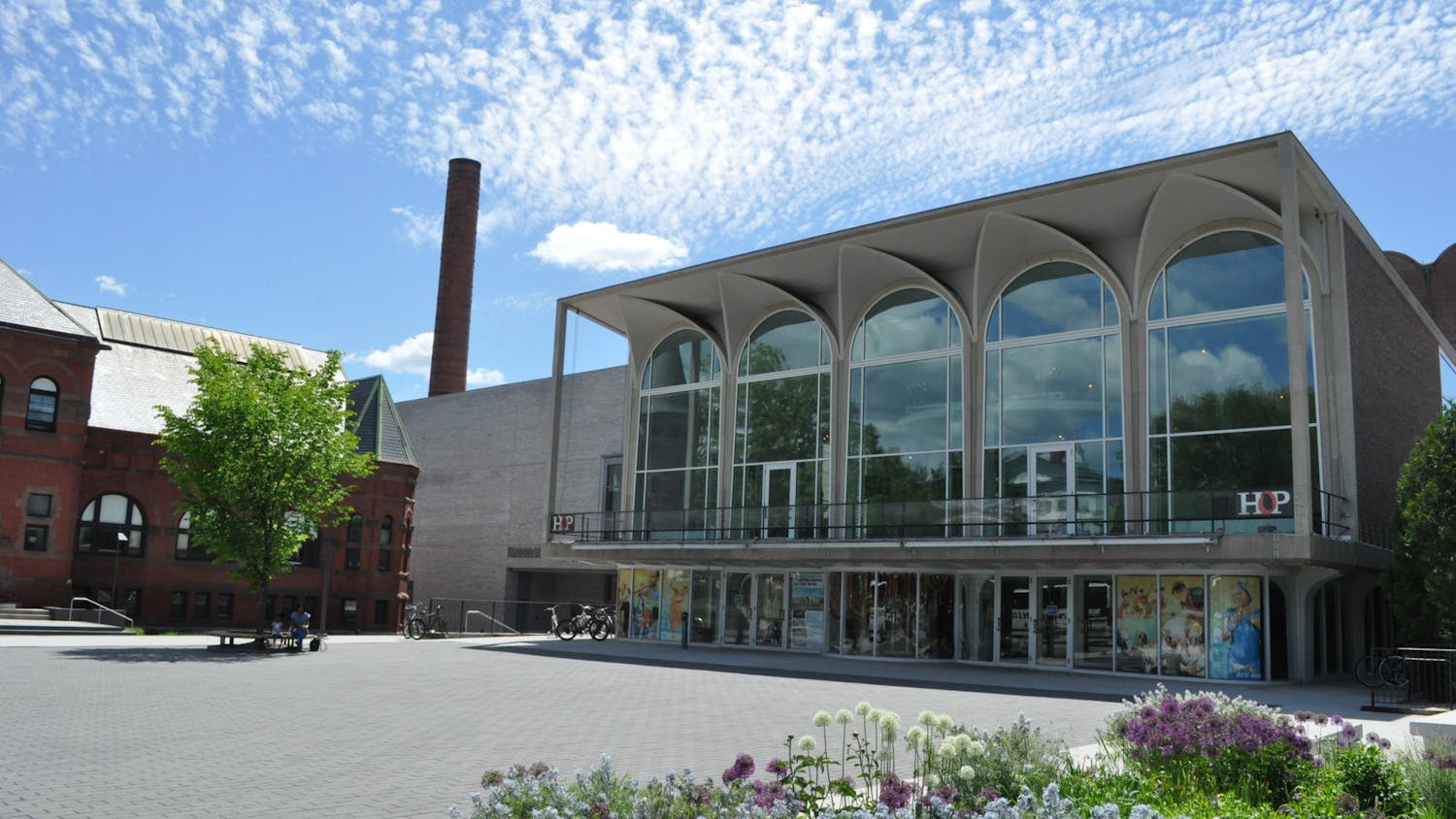
In January 2012, major American museum director Maxwell Anderson '77 took over as director of the Dallas Museum of Art. Prior to his work in Dallas, he established himself as an individual unafraid to take risks during tenures at the Whitney Museum of American Art and the Indianapolis Museum of Art. He is well respected within the art community and known for his bold stance on increasing research, educational and technological initiatives within his museums. Anderson shares his name with his grandfather, the renowned Pulitzer Prize-winning playwright of "Anne of the Thousand Days" and "Key Largo." While at Dartmouth, he was associate editor of the Jack-O-Lantern and enjoyed a rich exposure to art and art history in Carpenter Hall.
Kate Sullivan: You've been celebrated as an innovator. What does that mean to you, and what do you envision for the future of the Dallas Museum of Art?
Maxwell Anderson: Well, working in an institution is partly about protecting cultural heritage and partly about giving license for artists to dream, and this has a kind of duality. It's thinking about how to make old art alive and make new art relevant, and that's the biggest challenge museums face 25 years worth of hard slogging.
KS: You've been more concerned with pioneering new initiatives than simply the influx of museum visitors. How do you manage going forth with your own ways of directing a museum?
MA: I guess I would compare art museums to libraries and universities and less to commercial destinations. I think we're research centers that move the media and art history in related fields, and we do so in public engagement most of our budgets have nothing to do with the box office. So counting heads is a symptom of museums' health.
KS: You've been at the Whitney and the Indianapolis Museum of Art when you become in charge of a new museum, how do you determine how to improve what's there by putting your own stamp on it without necessarily outright repeating things you've done before?
MA: It's fun. It's like dating a new person you try to figure out what motivates them, how you fit together and where the strengths are and largely about the history and culture of a place. That way you don't come in with a head of steam of your own ideas that may not map to what the museum needs. After a while, you start to hear familiar refrains, and you start to see patterns of how that culture has manifested.
KS: How did you enjoy your time at Dartmouth, and do you think your experience contributed to your career now?
MA: It was really formative. For George [Shackelford '77, now the curator at the Kimbell Art Museum in Fort Worth] and myself, having a faculty of seven professors and four art history majors, we were very lucky and felt like we were kids in a candy store. It gave us broad exposure to the history of art and to careers of professors who in many instances had connected with museums.
KS: Dartmouth is celebrating a "Year of the Arts." Do you think that should have special resonance with students, and do you think it is important for students have a better understanding of the arts on campus?
MA: I'm in favor of a century of the arts. I don't see the point in limiting it to a year of the arts. I would say in watching our economy sputtering along, we need our Dartmouth graduates to be as versed in creativity and history as in math and science, and especially a liberal arts college like Dartmouth should be a leader in determining connections between the two.