
At the Millennium Summit in 2000, the U.N. outlined eight major goals to be completed by 2015, including ending poverty and hunger, promoting universal education, combating HIV and AIDS and promoting environmental sustainability.
"We are at the half-way point, and many people still do not even know what MDGs are," Claire Wagner '10, strategy consultant for the DCGH, said. "It is not just going to take policy makers to accomplish these goals, it is going to take students too."
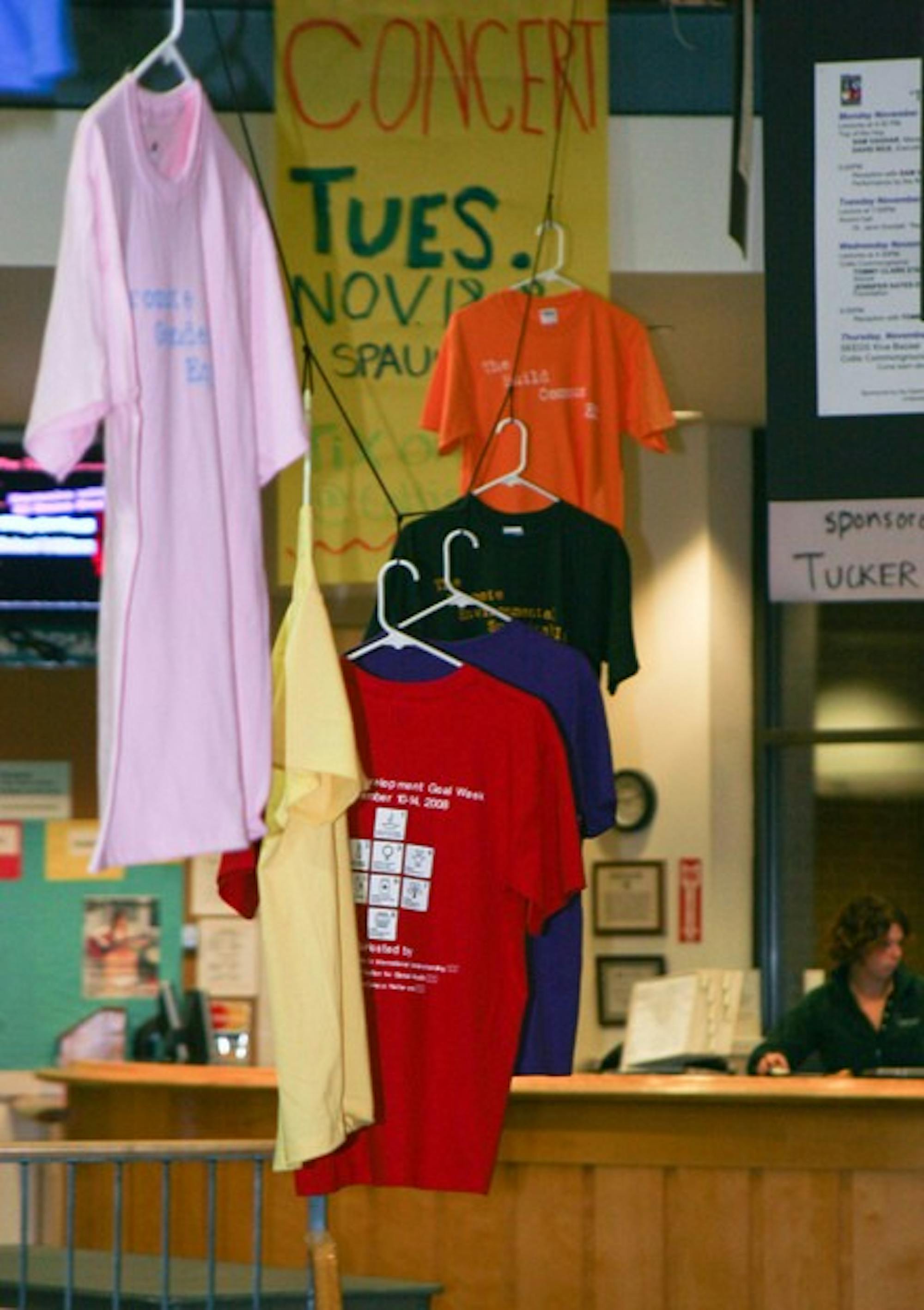
Dartmouth's Millennium Development Goals week brought a number of prominent international figures to campus to provide an evaluation of the progress that has been made towards achieving the goals.
Former U.S. Ambassador Kenneth Yalowitz, director of the Dickey Center, kicked off the week's events with a speech on Monday, stressing that "it is crucial that we teach our students to promote social justice."
Monday's event also featured Sam Vaghar, co-founder and managing director of the Millennium Campus Network, a group that offers support for students promoting the U.N. Millennium Development Goals. The network's aim, he said, is to help students connect and collaborate to fight global poverty.
"The word poverty is glossed over in our society today," Vaghar said. "That apathetic view is a significant flaw in our way of thinking. How much more effective could we be if we united?"
The strength in numbers that MCN supports is an important part of efforts to fulfill the MDGs, Wagner said.
"So many groups on campus are doing great things, so we are harnessing the strength in the groups that exist," she said. "We give them money, internships, consulting, access to our contact database. We are trying to empower them."
David Rice, executive director of MicroLoan Foundation USA, a largely volunteer-run charity based in London, was also present at the opening event. Since 2002, the foundation has given out microfinance loans in Malawi, Zambia and the Philippines and to women in sub-Saharan Africa, in hopes of providing business training opportunities to curb poverty.
The week's concluding lecture was held Wednesday afternoon in Collis Common Ground. Jennifer Kates '88, vice president and director of HIV/AIDS policy at the Henry J. Kaiser Family Foundation, spoke about her work promoting prevention and awareness of HIV and AIDS around the world.
Through her work, she has faced the many challenges posed by treating vast numbers of HIV and AIDS patients without adequate support, she said.
"There are still more than 33 million people infected with HIV and AIDS," she said. "Telling people and making sure they get tested and know their status is still a big challenge."
Kates said she was uncertain of how strains on the global economy and financial markets will affect progress on the MDGs.
"World leaders have called on the global community to not abandon commitment to the Millennium Development Goals," she said, "though the true effect is still to be seen. Most donors are not on track to meet aid commitments at this point in time."
Tommy Clark '92, co-founder and executive director of Grassroot Soccer, also spoke at Wednesday's event. Working with and providing aid to youth in sub-Saharan Africa has been a rewarding experience, he said, recounting a story about a regional team soccer game with two well-known players.
"We saw soccer as an opportunity to educate the youth in town," he said. "These guys weren't doing anything with their celebrity, and could really make a difference."
Similarly, Wagner stressed the importance of understanding and cooperation within the Dartmouth community to educate students about the MDGs.
"In my opinion, the world is increasingly inter-connected," Wagner said. "We not only share physical and virtual proximity, but we share wants and needs. It's important to understand what people around the world struggle with, believe in and learn from around the world."
As people become more interconnected, she said, so too are the issues trying to be solved through the Millennium Development Goals.
"There are eight goals for a reason," she said. "They all improve each other. As one goal improves, they all benefit because they are so intertwined."
Tiffany Ho '10, director of events for DCGH, emphasized that MDG week also sought to bring together a variety of people from the Dartmouth community.
"MDG week is a vehicle for collaboration between student groups on campus," she said. "We are trying to reach out to the graduate schools as well."


